

Living in Macau: the ultimate expat guide
Everything you need to know for a successful life in Macau.
Macao, a Special Administrative Region of China since 1999, packs extraordinary diversity into just 30 km². With 686,000 residents, it holds the title of the world's most densely populated territory at 24,067 people per km². This former Portuguese colony carries 450 years of European influence, creating a unique East-meets-West identity recognized by UNESCO. Today's Macao extends far beyond its casino reputation. The territory positions itself as a strategic hub within the Guangdong-Hong Kong-Macao Greater Bay Area, developing sectors from healthcare to fintech. For expats, Macao delivers a compelling package: rock-bottom taxes capped at 12%, universal healthcare, exceptional safety, and access to one of Asia's most dynamic economic zones.
5 Compelling Reasons to Move to Macao
- World-class tax regime with personal income tax capped at 12% and generous exemptions, plus zero tax on wealth, inheritance, gifts, or capital gains
- Strategic location in the Greater Bay Area providing direct access to Hong Kong, Shenzhen, and Guangzhou—three of Asia's powerhouse cities
- Universal healthcare system offering free medical care for permanent residents, backed by quality private options
- Exceptional safety with crime rates among the world's lowest and political stability guaranteed by its special administrative status
- Unique cultural fusion blending Chinese traditions with Portuguese heritage, creating an identity unlike anywhere else in Asia
Key facts about this remarkable territory:
Total Population | 685,900 (mid-2025) |
Land Area | 30 km² |
Population Density | 24,067 per km² (world's highest) |
Official Languages | Chinese (Cantonese and Mandarin) and Portuguese |
Currency | Macanese Pataca (MOP) – USD 1 ≈ MOP 8 |
Unemployment Rate | 1.9% (2025) |
Foreign-Born Population | 59%, including 46.2% from mainland China |
Sources: Macao Government, Worldometer
Visas and Entry: Getting Into Macao
Macao's immigration system balances tourist-friendly entry policies with strict controls on work permits and long-term residence. Understanding visa requirements varies significantly by nationality and intended length of stay. The Serviço de Migração (Immigration Department) under the Public Security Police handles all immigration matters, and processes are generally efficient compared to many Asian destinations.
Visa-Free Entry and Tourist Visits
Citizens from 82 countries enjoy visa-free entry to Macao for tourism. UK, US, Canadian, and Australian passport holders receive visa-free stays of up to 6 days, while EU nationals typically get 30 days (Germany, Spain, and Italy among others). These visa exemptions apply strictly to tourism and prohibit any work activity. For nationalities not covered by exemptions, visa on arrival is available for most travelers except citizens of six countries (Bangladesh, Nepal, Nigeria, Pakistan, Sri Lanka, and Vietnam). Visa on arrival costs MOP 200 (approximately USD 25) for single entry and MOP 300 (approximately USD 37) for multiple entries, valid for up to 30 days.
Work Permits and Residence
Anyone planning to work in Macao must secure a work permit before arrival—no exceptions. Applications go through the Serviço de Migração and require a confirmed employment contract or documented business activity in Macao. Chinese and Portuguese nationals follow a specific procedure via the Comissariado de Residentes, while other nationalities apply through the Comissariado de Estrangeiros. Required documents include a passport valid for at least 90 days beyond your intended stay, proof of sufficient funds, and a return ticket or proof of residence in mainland China or Hong Kong. Once in Macao, you can request stay extensions of up to 90 additional days depending on circumstances, though these require justification.
Student Visas
Students accepted to Macao universities can apply for student visas matching their program duration. This requires an official acceptance letter from your educational institution and demands annual renewal. Universities typically assist with the administrative process, making it relatively straightforward for international students.
Contact Information
The Serviço de Migração serves as your primary contact for all visa and immigration matters. Reach them at (853) 2872 5488 or visit their official website for detailed procedure information. Allow several weeks for work permit processing and start your application well before your planned move date.

Travelling to Macau
Macau is one of the world's top 20 travel destinations thanks to its rich historical heritage, ...
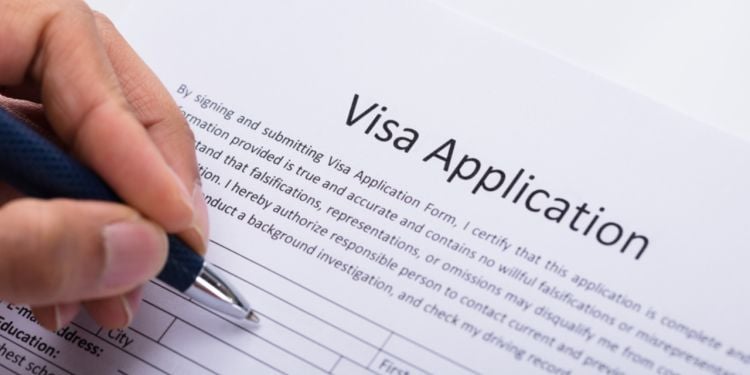
Visas for Macau
Macau is China's Special Administrative Region. However, when it comes to immigration policy, it ...

How to drive in Macau
Though Macau has a very well-developed transportation system, if you plan to stay in the region for long, you may want to have the freedom of driving ...
Employment: Finding Your Place in Macao's Economy
Macao's labor market operates at near full employment with just 1.9% unemployment as of Q2 2025. This exceptional performance stems from a robust economy historically centered on gaming and tourism, now actively diversifying into new sectors. For skilled expats, Macao offers solid opportunities particularly in hospitality, education, professional services, and emerging industries tied to the government's economic diversification strategy.
Labor Market Overview
Macao currently employs 372,700 people, including 281,600 local residents. The median monthly salary sits at MOP 17,800 (approximately USD 2,225) across all employees, rising to MOP 20,000 (approximately USD 2,500) for permanent residents. The territory implemented a minimum wage of MOP 7,072 per month (approximately USD 884) in January 2025, though this doesn't apply to the roughly 183,000 foreign workers in Macao. The resident unemployment rate reaches 2.5%, reflecting a healthy economy despite post-pandemic adjustment challenges.
Macao's labor market features strong public-private sector balance, with residents showing preference for government and established corporate positions. Expats typically find opportunities in international-facing sectors, higher education, and specialized roles where foreign expertise adds value. The tight labor market means employers often provide competitive packages to attract and retain talent.
Key Industries and Sectors
Gaming and tourism historically drive Macao's economy, representing roughly 40% of GDP and generating over 70% of government revenue. This sector employs about one-fifth of the workforce and should generate revenues around MOP 228 billion in 2025. However, the government actively pursues its "1+4" diversification strategy, developing four economic pillars alongside tourism: healthcare, modern finance, advanced technology, and MICE (meetings, conventions, exhibitions, plus culture and sports).
Growth sectors for expats include hospitality and food services employing 27,200 people, construction (15,500 resident employees), transport and logistics (17,300 employees), and education (20,900 employees). The performing arts and culture sector shows remarkable growth with over 2,000 major performances annually and one million concert visitors in 2023. Healthcare, technology, and finance offer expanding prospects under the government's diversification plan, though these remain smaller than traditional sectors.
Here's a breakdown of major employment sectors in Macao:
Sector | Employees | Notes |
Hospitality & Food Services | 27,200 | Active sector with expat opportunities |
Education | 20,900 | Steady growth, demand for teachers |
Transport & Logistics | 17,300 | Greater Bay Area hub |
Construction | 15,500 | Infrastructure development |
Gaming & Casinos | ~74,000 | 20% of workforce, dealer positions reserved for locals |
Sources: Macao Government Employment Survey Q2 2025
Starting a Business
Macao offers an entrepreneur-friendly environment with no foreign exchange controls, free port status, and offshore financial center designation. The territory holds full WTO membership and hosts 20 licensed foreign banks. To establish a company, register with the Commercial Registry (Conservatória do Registo Comercial e de Bens Móveis). Available structures include limited liability companies, branch offices, or representative offices. Minimum capital requirements vary by company type. Formation typically takes 2-4 weeks with administrative costs ranging from MOP 20,000 to 30,000 (approximately USD 2,500 to USD 3,750) for local company setup.
Certain sectors face restrictions: casino dealer positions and taxi/bus driver roles are exclusively reserved for local residents. Other sectors including gaming, telecommunications, and media operate under strict regulation with limited concessions. Most commercial and service activities remain accessible to foreign entrepreneurs provided they obtain necessary administrative authorizations. The straightforward regulatory environment and tax advantages make Macao attractive for regional business operations.

Finding work in Macau
Despite its small territory, Macau is a popular destination for expats to live and work. Known for its highly developed tourism and entertainment ...
Studying in Macau
Universities, training courses, student visas, registration procedures: all you need to know about being an international student in Macau.
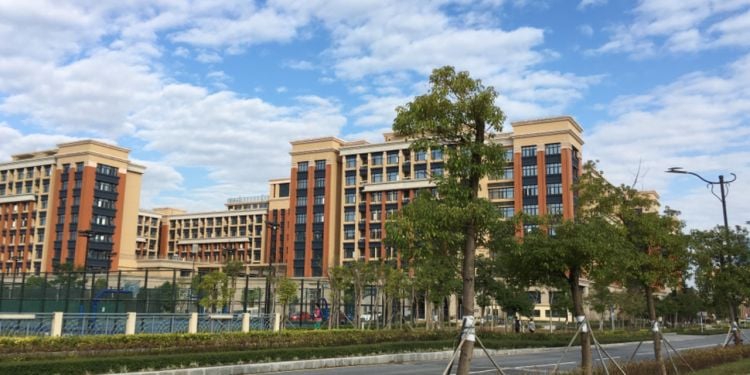
Study in Macau
Located in the heart of Pearl River Delta, just a step away from Hong Kong, Macau is an exciting destination for young people to explore. A ...
Taxation: One of the World's Best Tax Systems
Macao's tax regime ranks among the world's most favorable for both individuals and corporations. With personal income tax capped at 12%, generous exemptions, and zero tax on wealth, inheritance, gifts, or capital gains, the territory naturally attracts expats seeking tax efficiency. This generous system exists because gaming industry revenues fund most government operations, allowing extremely light taxation on residents and businesses.
Personal Income Tax
Personal income tax in Macao, called Professional Tax, follows a progressive scale capped at 12%. The system provides a generous base deduction of MOP 144,000 annually (approximately USD 18,000), increased to MOP 198,000 (approximately USD 24,750) for those over 65 or with disabilities. An automatic 30% reduction applies to calculated tax, and permanent residents receive an additional 60% rebate on tax owed, capped at MOP 14,000 (approximately USD 1,750). These mechanisms keep effective tax rates remarkably low—a typical expat teacher pays roughly 3% effective tax on income.
All income from professional activity in Macao is taxable, whether earned by residents or non-residents. Foreign freelancers without work visas face a minimum 5% rate or the progressive rate, whichever is higher. This tax simplicity combined with low rates constitutes a major advantage for expats, particularly those from high-tax jurisdictions.
Corporate Tax
The Complementary Tax on companies applies a flat 12% rate on profits exceeding an exemption threshold of MOP 600,000 (approximately USD 75,000), increased by MOP 32,000 in 2024. Companies fall into two groups: Group A covers businesses with capital of at least MOP 1 million or average profits exceeding MOP 1 million over three years, taxed on actual profits. Group B includes other businesses subject to standard assessment. This straightforward, low-burden system encourages business development and foreign company establishment.
Other Taxes
Macao levies no wealth tax, inheritance tax, gift tax, or capital gains tax on securities or real estate. This complete absence of wealth taxation represents a significant advantage for affluent expats and investors. No value-added tax (VAT) exists either. The only other taxes concern property: Property Tax of 6-10% on gross rental income and Stamp Duty of 1-3% based on property value during transactions.
No payroll taxes are deducted from salaries. However, both employers and employees contribute MOP 90 monthly (approximately USD 11) to the Fundo de Segurança Social (Social Security Fund) financing Macao's universal social protection system. This modest contribution funds healthcare, pension, and social welfare benefits.
Filing and Payment
Annual income tax returns must be filed between January 1 and March 31 of the year following income receipt. Forms are available from the Direcção dos Serviços de Finanças (Financial Services Bureau). Tax payment typically occurs between June and September after receiving your assessment notice. The straightforward administrative system allows most expats to handle filing independently, though professional advice remains recommended for complex situations.


Healthcare: Universal Coverage Meets Private Excellence
Macao operates a universal healthcare system guaranteeing access to medical care for all permanent residents. Funded by gaming revenues and modest social contributions, the public system offers free or very low-cost care in public facilities. Expats can also subscribe to private insurance for access to private facilities offering English-language services and reduced waiting times. The combination of accessible public healthcare and quality private options makes Macao reassuring on the health front.
The Public Healthcare System
The Sistema de Saúde de Macau covers all permanent residents, providing free or nearly free consultations, hospitalizations, and treatments in public hospitals and health centers. The main public facility is Centro Hospitalar Conde de São Januário, a general hospital handling most acute care and medical specialties. Macao's public system integrates both modern Western medicine and traditional Chinese medicine, giving patients choice in treatment approach.
Permanent residents access care free of charge, while temporary expat workers contributing MOP 90 monthly (approximately USD 11) to the Fundo de Segurança Social also gain public healthcare rights. The public system delivers high medical quality, though waiting times can be significant for non-urgent consultations and staff primarily speak Cantonese and Mandarin.
Private Health Insurance
Many expats opt for international or local private health insurance, enabling access to Macao's private facilities where services are typically offered in English, Mandarin, and Portuguese. Major private hospitals include Kiang Wu Hospital and University Hospital, offering high care standards comparable to leading international clinics. Private insurance also covers access to care in Hong Kong or other regional destinations when specialized treatments are needed.
Insurance premiums vary considerably based on age, health status, and desired coverage. Expect USD 600 to USD 2,400 monthly for comprehensive family coverage including dental and optical care. Employers often provide group insurance as a benefit, significantly reducing costs for employees.
Pharmacies and Medicine
Pharmacies are plentiful in Macao, offering both Western medicines and traditional Chinese remedies. Most common medications are available without prescription, though specialized treatments require medical authorization. Pharmacists generally speak Cantonese and Mandarin, with some establishments in tourist areas offering English service. Medicine prices remain reasonable whether purchased through the public system (heavily subsidized) or at private pharmacies.

The healthcare system in Macau
When planning a lengthy stay in a foreign country, the question of staying safe and healthy naturally comes up. If you are moving to Macau, ...
Education: Local Schools and International Options
Macao provides diverse educational options allowing expat families to choose between the local school system, often bilingual Chinese-Portuguese or Chinese-English, and several quality international schools. The government invests heavily in education with an annual budget exceeding MOP 10 billion (approximately USD 1.25 billion), translating to modern infrastructure and well-trained teachers. Expats can educate their children in a multicultural environment while benefiting from recognized educational quality.
The Local Education System
Macao's education system comprises three main levels: Prathom (primary), secondary, and higher education. Compulsory education runs from ages 5 to 15 and is free in public schools. The local system features Cantonese-Mandarin bilingualism, with Portuguese instruction in some schools and English as a mandatory foreign language from primary school. Local schools follow a curriculum inspired by mainland China's system, emphasizing mathematics, sciences, and discipline.
Expat children can join local schools, particularly bilingual institutions offering enhanced English instruction. This option suits families planning long-term stays and seeking complete cultural immersion. Admission to public schools is free for residents, though places in top local schools are highly competitive.
International Schools
For families preferring Western curricula or facilitating future transitions to other countries, Macao has several reputable international schools. The International School of Macao (TIS) stands as the leading international institution, offering the International Baccalaureate (IB) program from kindergarten through high school. The school hosts roughly 1,200 students from over 40 nationalities and teaches in English. TIS tuition runs approximately MOP 130,000 annually (approximately USD 16,250) for primary and reaches MOP 180,000 (approximately USD 22,500) for high school, plus registration and material fees.
Other options include Macau Anglican College, also offering the IB program, and several bilingual Chinese-English schools like Pui Ching Middle School bridging both systems. Macau Portuguese School and Portuguese School of Macao particularly serve Portuguese-speaking families, following the Portuguese curriculum with instruction in Portuguese and English.
Higher Education
Macao hosts several quality universities, including the University of Macau (UM), ranked among Asia's best universities and in the global top 300 according to QS rankings. UM offers English-language programs across many disciplines and attracts students worldwide. Macau University of Science and Technology (MUST) and Instituto Politécnico de Macau complete the higher education offerings with technical and professional programs. University tuition ranges from MOP 30,000 to 80,000 annually (approximately USD 3,750 to USD 10,000) depending on programs, remaining competitive compared to Western universities.
Housing: Finding Your Home in a Tight Market
Housing often presents the first challenge for expats moving to Macao. In this densely populated 30 km² territory, real estate reaches premium prices comparable to Hong Kong or major global cities. The rental market remains active with varied offerings of apartments, studios, and villas, mainly concentrated in expat-favored residential zones. Understanding market dynamics and neighborhood characteristics helps find accommodation matching your budget and lifestyle.
Available Housing Types
Macao's housing stock consists primarily of apartment buildings—the dominant form given the territory's extreme density. Apartments range from compact 30 m² studios to large family units of 100 m² or more. Modern buildings typically feature amenities including pools, fitness centers, reception desks, and 24-hour security. Individual villas exist but remain rare and limited to peripheral areas like Coloane, commanding premium prices.
Most expat-targeted properties come furnished or semi-furnished, including at minimum equipped kitchens, air conditioning (essential), and sometimes basic furniture. Unfurnished apartments are less common in the expat rental market but can be found in more local neighborhoods. Construction standards are generally good in recent buildings, with proper finishes and effective air conditioning systems.
Rents and Charges
Macao rents vary considerably by size, location, and property quality. A studio or one-bedroom apartment in a central area rents for MOP 8,000 to 12,000 monthly (approximately USD 1,000 to USD 1,500). A two-bedroom apartment in a modern residence costs MOP 15,000 to 25,000 (approximately USD 1,875 to USD 3,125), while a large three-bedroom in a prime area can reach MOP 30,000 to 45,000 (approximately USD 3,750 to USD 5,625) or more. Coloane villas easily exceed MOP 60,000 monthly (approximately USD 7,500).
Utilities typically aren't included in rent and cover electricity, water, internet, building management fees, and sometimes gas. Budget approximately MOP 1,000 to 2,000 monthly (approximately USD 125 to USD 250) for utilities in an average apartment, with air conditioning representing the main expense, especially during hot, humid summer months. Building management fees vary based on residence amenities.
Rental Process
Finding accommodation in Macao primarily happens through local real estate agencies dominating the rental market. Online platforms and classified ads exist but remain less developed than in other countries. Using an agency is recommended despite fees typically equaling half to one month's rent. Landlords usually require a two-month security deposit plus first month's rent at lease signing. Leases typically run minimum one year, sometimes two.
Required documents include your passport, work or residence visa, proof of income (employment contract or pay slips), and sometimes an employer reference letter. The process moves relatively quickly once documents are provided, and you can typically move in within two weeks of reaching agreement with the landlord. Visit multiple properties before deciding and carefully check condition, particularly air conditioning function, potential humidity issues, and sound insulation quality.
Practical Advice
Prioritize accommodation near your workplace or well-served by public transport, as Macao is small but dense, making rush hour commutes tedious. The NAPE, Taipa, and Cotai areas concentrate most expats thanks to their mix of shops, international restaurants, and proximity to international schools. Coloane offers greener, quieter settings ideal for families but further from activity centers. The Macao peninsula remains attractive for those prioritizing activity and quick access to the historic center, despite higher density.

Accommodation in Macau
Macau is one of China's most interesting and popular regions. With a mix of Chinese and Portuguese cultural influence, it's a popular destination for ...
Planning Your Move: Essential Checklist
Preparing your relocation to Macao demands rigorous organization several months before departure. Between administrative formalities, shipping belongings, and adapting to a new country, every step matters. This checklist guides you through essential tasks so your installation proceeds smoothly and you quickly enjoy your new Macao life.
3 to 6 Months Before Departure
- Secure your visa and work permit: Launch administrative procedures with the Serviço de Migração as soon as you have a confirmed employment contract, as processing can take several weeks.
- Search for accommodation: Begin prospecting through local real estate agencies or ask your employer about housing assistance. Plan a reconnaissance visit if possible.
- Select schools for your children: Register children at international or local schools as early as possible, as places at sought-after schools like TIS are limited and waiting lists can be lengthy.
- Arrange international removal: Request multiple quotes from specialized international moving companies. Count 6-10 weeks for sea freight from Europe, 4-6 weeks from North America.
- Subscribe to international health insurance: If your employer doesn't provide coverage, compare insurance offerings covering Macao and the Asia-Pacific region.
1 to 2 Months Before Departure
- Cancel your contracts: Terminate subscriptions (utilities, internet, phone, local insurance) and prepare administrative documents for account closure or suspension.
- Organize your tax departure: Report your tax residence change to your home country's tax authority and research tax treaties between your country and Macao to avoid double taxation.
- Prepare important documents: Gather passports, visas, birth certificates, diplomas, bank statements, and medical records. Have essential documents translated into English or Chinese.
- Open an international bank account: Facilitate international transfers by opening an account with a bank present in both your home country and Macao, or choose an international online banking solution.
- Plan your arrival and temporary accommodation: Book a hotel or short-term apartment for your first weeks while finalizing permanent installation.
First Weeks in Macao
- Register with authorities: Validate your residence permit with the Serviço de Migração and complete all required registration formalities.
- Open your local bank account: Major Macao banks (Bank of China Macau, Banco Nacional Ultramarino, ICBC) offer English-language services for expats.
- Subscribe to a local mobile plan: Operators CTM, 3 Macau, and SmarTone offer competitive plans with data for around MOP 200-300 monthly.
- Move into your permanent accommodation: Conduct entry inspection, connect equipment, and subscribe to electricity and internet services.
- Explore your neighborhood: Locate nearby supermarkets, pharmacies, medical centers, and public transport to ease daily life.
- Join the expat community: Register on forums and expat groups in Macao to meet others, exchange advice, and discover local tips.
Methodical preparation transforms what could be stressful into a smooth transition to your new Macao life.

Relocating to Macau
Moving to a new place is always an exciting endeavour: new career opportunities, new acquaintances and new challenges await. However, before you set ...
Leisure and Culture: East Meets West
Macao delivers exceptional cultural richness born from 450 years of Portuguese influence blended with centuries-old Chinese traditions. Between UNESCO architectural heritage, traditional festivals, fusion gastronomy, and vibrant nightlife, the territory offers plenty to fill weekends and evenings. Macao's compact size facilitates discovery—within hours you can visit a Buddhist temple, a baroque church, then finish the day at a Coloane beach.
Heritage and Culture
The Historic Centre of Macao, inscribed on UNESCO's World Heritage list since 2005, constitutes the territory's main cultural attraction. This unique architectural ensemble blends Portuguese and Chinese buildings across several centuries. The Ruins of St. Paul's, the iconic facade of the former Mother of God church destroyed by fire in 1835, dominates the historic center and offers striking city views. Nearby, Monte Fort houses the Museum of Macao tracing regional history.
The A-Ma Temple, dedicated to the sea goddess and dating from the 15th century, allegedly gave Macao its name. The Mandarin's House, a beautifully restored traditional Chinese residence, and Sir Robert Ho Tung Library testify to local architectural wealth. Contemporary art enthusiasts will appreciate the Macao Museum of Art and Tap Seac Gallery offering regular exhibitions by Chinese and international artists.
Performances and Events
Macao has developed a dynamic cultural scene with over 2,000 major performances annually. The Venetian Theatre, Sands Cotai Theatre, and City of Dreams Theater host international productions, concerts, and world-renowned circus performances. The performing arts sector now attracts over one million visitors annually, establishing itself as a major cultural pillar.
Festivals punctuate Macao's calendar, combining Chinese and Portuguese celebrations. Chinese New Year in January-February features spectacular parades and fireworks. The Procession of Our Lord of Passos in February perpetuates a centuries-old Portuguese Catholic tradition. The Macao Food Festival in November celebrates Macanese fusion cuisine, while the Macao International Fireworks Display Contest illuminates the sky from September to October.
Gastronomy and Nightlife
Macanese gastronomy represents a unique fusion of Portuguese, Chinese, African, and Indian flavors developed over centuries. Signature dishes like minchi (ground meat with onions), bacalhau (Portuguese-style cod), and famous egg tarts (pastéis de nata) can be enjoyed at traditional restaurants in the historic center. Rua do Cunha in Taipa concentrates local specialty shops and authentic restaurants.
The major casino-hotels on Cotai Strip offer an impressive concentration of Michelin-starred restaurants, with about twenty distinguished establishments. Nightlife centers around hotel lounge bars, Cotai clubs, and more intimate historic center bars. Expats often gather in NAPE and Taipa Village areas, offering more relaxed atmospheres with wine bars, pubs, and terraces.
Nature and Relaxation
Despite extreme density, Macao preserves some green spaces and beaches. Coloane island in the south offers verdant settings with wooded hills, temples, and two main beaches: Hac Sa Beach (black sand) and Cheoc Van Beach. These developed beaches feature restaurants, sports facilities, and supervised swimming areas. Seac Pai Van Park houses a zoo, hiking trails, and picnic areas.
Golf enthusiasts will appreciate the Macau Golf and Country Club in Coloane, an 18-hole course with sea views. Major hotel fitness centers and spas provide premium facilities, while several yoga and pilates studios serve expats in residential areas. The Macau Grand Prix in November transforms peninsula streets into a legendary racing circuit, attracting motorsport fans worldwide.
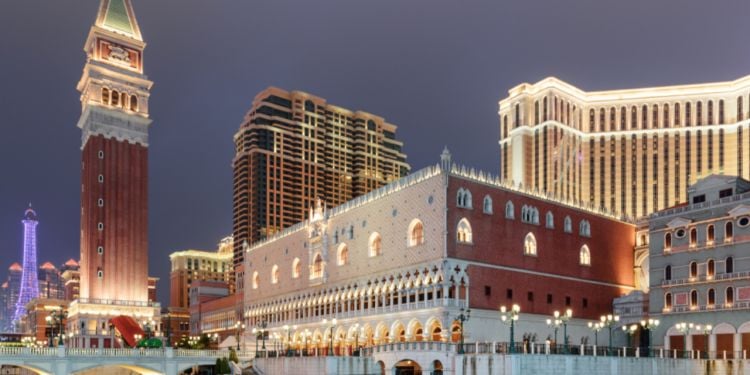
Leisure activities in Macau
Macau is a small territory of just over 30 square kilometres, and China's Special Administrative Region. Despite the city's notably small size, it ...
Banking and Finance: Managing Your Money
Macao's banking system features stability, connections to international financial centers, and no foreign exchange controls. With 20 licensed foreign banks and offshore financial center status, Macao offers expats modern banking services and easy international financial management. Opening a local bank account is an essential installation step, enabling salary receipt, bill payment, and daily financial management.
The Local Banking System
Macao's banking sector counts some 30 institutions including major local and international banks. Bank of China Macau dominates the market with the most extensive branch and ATM network. Banco Nacional Ultramarino (BNU), a historic institution founded in 1864, issues the pataca alongside Bank of China and provides comprehensive services. Major international banks including ICBC, HSBC, Standard Chartered, and Citibank maintain presence offering multi-currency services particularly useful for expats.
The banking system benefits from rigorous supervision by the Monetary Authority of Macao (AMCM), guaranteeing institution soundness and reliability. Deposits are protected and prudential standards align with international benchmarks. Banking digitalization progresses rapidly, with capable mobile apps enabling account management, transfers, and bill payment from smartphones.
Opening a Bank Account
Opening a Macao bank account requires standard documents: your passport, work visa or residence permit, Macao address proof (lease, utility bill), and sometimes an employer letter. Some banks require an initial deposit, typically MOP 1,000 to 5,000 (approximately USD 125 to USD 625) depending on account type. The process usually takes 30 minutes to an hour, and you leave with your debit card same day or receive it by mail within a week.
Banks offer various account types: current accounts in patacas, multi-currency accounts (MOP, HKD, USD, RMB, EUR), savings accounts, and investment accounts. For expats, a pataca current account typically suffices for daily expenses, possibly complemented by a multi-currency account facilitating international transfers and managing multiple currencies. Account maintenance fees remain modest, often free if you maintain a minimum balance or receive salary deposits.
Payment Methods
Bank cards are widely accepted in Macao, particularly in tourist and expat area shops. ATMs are ubiquitous enabling withdrawals in patacas or Hong Kong dollars. Most ATMs accept international Visa and Mastercard, with withdrawal fees varying by bank. Mobile payments via WeChat Pay, Alipay, and Macau Pass are rapidly becoming standard and essential for small transactions and transport payment.
The Hong Kong dollar (HKD) circulates freely in Macao alongside the pataca, with a fixed exchange rate around HKD 1 = MOP 1.03. Merchants generally accept both currencies interchangeably, giving change in patacas. This particularity facilitates transactions but requires vigilance regarding rates applied during purchases.
International Transfers and Exchange
Macao's absence of exchange controls greatly facilitates international transfers. You can freely send and receive money from abroad without prior authorization or amount limitations. SWIFT transfers through local banks take 2-5 business days with fees ranging from MOP 100 to 300 (approximately USD 12 to USD 37) depending on amounts and banks. Alternative solutions like Wise (TransferWise) or Revolut may offer better exchange rates and reduced fees for recurring transfers.
Currency exchange offices are numerous in tourist areas offering competitive rates for exchanging euros, US dollars, or other currencies for patacas or Hong Kong dollars. Compare rates before exchanging significant amounts, as spreads can be considerable between casino-located bureaus (often less advantageous) and downtown offices.
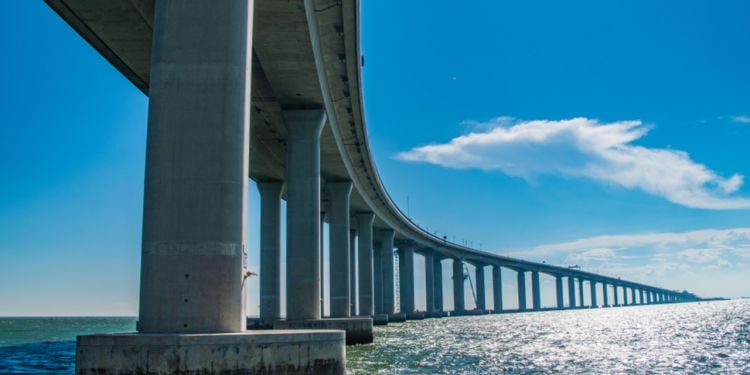
Travelling around Macau
Macau has a well-developed transportation system, and you should have absolutely no trouble conveniently getting around the city. From public buses ...

Phones and internet in Macau
When travelling to a foreign country, you will want to stay in touch with friends and family back home. Luckily, when living in Macau communication ...

Childcare and family activities in Macau
If you plan to move to Macau with children, the question of education and recreation for them will, naturally, come up. Read on to find out more ...
Cost of Living: Budgeting for Macao
Macao shows a high cost of living comparable to Hong Kong or Singapore, though some expense categories remain more affordable than in Western countries. Housing represents by far the main expat expense, followed by food and school fees for families with children. In return, very low taxes and absence of significant social charges allow retaining a substantial portion of income. Here's a detailed overview of monthly expenses to help establish your budget.
Monthly Budget for a Single Person
Here's a realistic estimate of monthly expenses for a single expat living in a one-bedroom apartment in Macao:
Expense Category | Monthly Amount (MOP) | Monthly Amount (USD) |
Rent (1-bedroom city center) | 10,000 | USD 1,250 |
Utilities (electricity, water, gas) | 984 | USD 123 |
Internet + mobile phone | 519 | USD 65 |
Groceries and food | 3,500 | USD 438 |
Dining out (8-10 meals/month) | 1,500 | USD 188 |
Public transport | 300 | USD 38 |
Leisure and entertainment | 2,000 | USD 250 |
Clothing and miscellaneous | 800 | USD 100 |
TOTAL | 19,603 | USD 2,450 |
Sources: Numbeo (July 2025 data)
Monthly Budget for a Family of Four
For a family of four (two adults, two children) living in a three-bedroom apartment, monthly expenses increase significantly, notably with international school tuition:
Expense Category | Monthly Amount (MOP) | Monthly Amount (USD) |
Rent (3-bedroom city center) | 25,000 | USD 3,125 |
Utilities (electricity, water, gas) | 1,500 | USD 188 |
Internet + 2 mobile phones | 743 | USD 93 |
Groceries and food | 8,000 | USD 1,000 |
Dining out (12-15 meals/month) | 3,500 | USD 438 |
Public transport | 600 | USD 75 |
School fees (2 children, average monthly) | 25,000 | USD 3,125 |
Family activities and leisure | 3,000 | USD 375 |
Clothing and miscellaneous | 2,000 | USD 250 |
TOTAL | 69,343 | USD 8,668 |
Sources: Numbeo (July 2025 data), international schools
Key Expense Details
Restaurants in Macao cover all price ranges. A meal at an inexpensive restaurant costs around MOP 60 (USD 7.50), while a meal for two at a mid-range restaurant runs about MOP 400 (USD 50). Local supermarkets like San Miu or Parknshop offer products at reasonable prices, with a liter of milk at MOP 24 (USD 3) and a kilogram of rice around MOP 14 (USD 1.75). Imported Western products cost noticeably more.
Public transport remains very affordable with bus fares between MOP 3 and 6 (USD 0.40 to USD 0.75) depending on distance. No official unlimited monthly pass exists, but the rechargeable Macau Pass offers discounts. Taxis are also inexpensive with a flag fall of MOP 19 (USD 2.40) and per-kilometer rate of MOP 2 (USD 0.25). Most expats don't need cars in Macao, the territory being small and well-served.
High-speed internet costs approximately MOP 295 monthly (USD 37) for 60 Mbps or higher connections, while a mobile plan with 10GB data runs about MOP 224 (USD 28). Electricity bills represent the largest utility expense, with air conditioning running intensively May through October in this humid subtropical climate. Clothing prices align with Western standards, with Levi's jeans at MOP 562 (USD 70) and Nike shoes at MOP 770 (USD 96).
In Brief
Macao emerges as a compelling expat destination for those seeking favorable taxation, high quality of life, and strategic positioning in Asia. This compact 30 km² territory combines modern metropolis efficiency with unique cultural richness born from 450 years of Sino-Portuguese history. Universal healthcare, exceptional safety, and professional opportunities in growing sectors constitute major advantages for expats. While housing costs remain high and urban density may surprise, these drawbacks are largely offset by tax benefits, political stability, and the Greater Bay Area's economic dynamism.
Whether you come alone to develop your career or with family for an enriching experience, Macao welcomes you into its cosmopolitan community where 59% of the population was born outside the territory. Take time to discover its contrasting neighborhoods, savor its fusion gastronomy, and immerse yourself in this hybrid culture unlike any other. Join thousands of expats who've chosen Macao and share your experience on expat.com's Macao forum to exchange advice and tips with the community!
We do our best to provide accurate and up to date information. However, if you have noticed any inaccuracies in this content, please contact us.



Essential services for your expat journey



