

Living in Osaka: the ultimate expat guide
Everything you need to know for a successful life in Osaka.
Osaka is Japan's third-largest city and the economic powerhouse of the Kansai region, home to approximately 2.75 million residents within the city and 8.7 million across the greater prefecture. Known affectionately as the "Kitchen of Japan" for its legendary food culture, Osaka offers a compelling alternative to Tokyo with lower living costs, a warmer social atmosphere, and excellent connectivity to Kyoto, Nara, and Kobe.
Unlike Tokyo's formal business culture, Osaka is celebrated for its friendly, down-to-earth residents and vibrant street life. The city seamlessly blends ancient temples with modern architecture, world-class dining with affordable street food, and traditional commerce with cutting-edge industries in pharmaceuticals and technology.
5 Good Reasons to Move to Osaka
- Lower cost of living – Housing and daily expenses are approximately 17-20% cheaper than Tokyo while offering comparable urban amenities.
- Outstanding food culture – From takoyaki and okonomiyaki to Michelin-starred restaurants, Osaka is a culinary paradise.
- Strategic location – Easy access to Kyoto (15 minutes by train), Nara, Kobe, and Kansai International Airport.
- Strong job market – Japan's pharmaceutical hub with major employers including Takeda, Shionogi, and Panasonic.
- Welcoming atmosphere – Osakans are known throughout Japan for their friendliness and humor.
Working in Osaka: Opportunities and Employment
Osaka's economy is diverse and robust, offering strong employment prospects across multiple sectors. The city serves as Japan's pharmaceutical capital, with over 300 pharmaceutical companies headquartered in the historic Doshomachi district, a tradition dating back 350 years to the Edo period.
Key Industries and Major Employers
The pharmaceutical and life sciences sector dominates Osaka's economy, with major employers including Takeda Pharmaceutical, Shionogi & Co., Sumitomo Pharma, and Rohto Pharmaceutical. Manufacturing remains strong, particularly in electronics, machinery, and automotive parts, with companies like Panasonic, Sharp, and Keyence maintaining significant operations. The technology sector is growing at approximately 15% annually, with increasing demand for software engineers and AI specialists.
Work Permits and Visa Requirements
Foreign nationals require a valid Status of Residence (work visa) to work in Japan. The most common category is the Engineer/Specialist in Humanities/International Services visa, covering IT professionals, teachers, marketing specialists, and translators. Employers must sponsor your Certificate of Eligibility (COE) application, which typically takes 1-3 months to process. Japan also offers a Digital Nomad Visa for remote workers earning over ¥10 million annually, allowing stays of up to 6 months.
Unemployment Rate (Japan, 2024) | 2.6% |
Average Annual Salary (Osaka Prefecture) | ¥5,230,000 (~USD 35,000) |
Job-to-Applicant Ratio (Osaka, Jan 2025) | 1.07 |
Sources: Statistics Bureau of Japan, Japan Institute for Labour Policy and Training
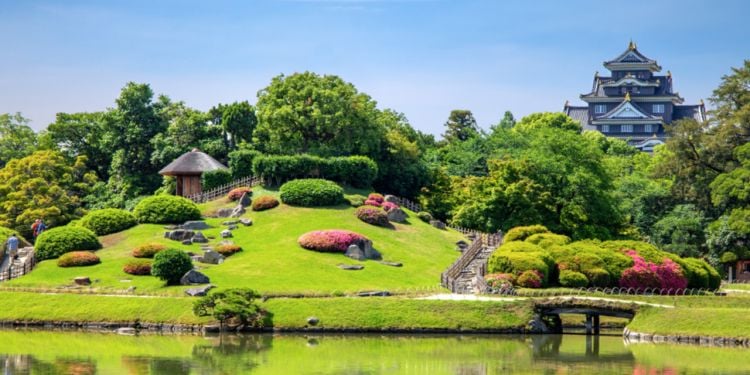
Working in Osaka
Do you dream of working in Japan? Why not opt for Osaka? The country's third-largest city is known for its dynamism and relaxed lifestyle. An ...
Higher Education and Universities in Osaka
Osaka is home to several prestigious universities offering programs in English and attracting international students from around the world. The city's academic institutions are particularly strong in medical sciences, engineering, and business studies.
Top Universities
Osaka University (commonly called Handai) ranks among Japan's top national universities, positioned 86th globally in the QS World University Rankings 2025. The university offers multiple English-taught graduate programs across its three campuses in Suita, Toyonaka, and Minoh. Annual tuition for both undergraduate and graduate students is ¥535,800, with a one-time matriculation fee of ¥282,000. Osaka University maintains strong research partnerships in medicine, engineering, and life sciences.
Kansai University and Ritsumeikan University (Osaka Ibaraki Campus) offer additional options for international students, with various English-medium programs in business and global studies.
Admission and Scholarships
International students typically need to demonstrate Japanese language proficiency (JLPT N2 or higher) for Japanese-taught programs, or IELTS 6.0+/TOEFL 80+ for English-medium courses. The MEXT Scholarship (Japanese Government Scholarship) covers full tuition, provides a monthly stipend of ¥117,000-¥145,000, and includes round-trip airfare. Osaka University also offers the International College Scholarship with a monthly stipend of ¥80,000 and tuition waivers for qualifying students.
Sources: Osaka University, Ministry of Education, Culture, Sports, Science and Technology
Schools for Expat Children in Osaka
Osaka and the surrounding Kansai region offer several international schooling options for expat families. While Japanese public schools provide excellent education, the language barrier makes international schools the preferred choice for most foreign families.
International Schools
Osaka International School (OIS), located in Minoh City, is part of the Senri & Osaka International Schools of Kwansei Gakuin. OIS offers the International Baccalaureate (IB) curriculum from kindergarten through Grade 12. Annual tuition ranges from approximately ¥1,791,000 to ¥2,167,000 depending on grade level, with additional registration fees of around ¥400,000 for new students.
Canadian Academy, located on Rokko Island in nearby Kobe (approximately 30 minutes from central Osaka), offers the IB curriculum from pre-kindergarten through Grade 12, plus boarding facilities. Annual tuition ranges from ¥1,000,000 for early years to ¥2,900,000 for Grade 12, with additional fees for registration (¥400,000) and building development (¥260,000 annually).
Other Options
Osaka YMCA International School provides an international curriculum emphasizing bilingual development in English and Japanese. Marist Brothers International School offers an American-based curriculum through Grade 9. For families seeking bilingual Japanese-English education, Senri International School (SIS) shares a campus with OIS and follows Japanese MEXT guidelines while welcoming international students.
Sources: Senri & Osaka International Schools, Canadian Academy, U.S. Department of State Office of Overseas Schools
Housing and Neighborhoods in Osaka
Finding accommodation in Osaka is generally easier than in Tokyo, with more affordable rents and a variety of housing options. The city's efficient rail network means you can live in quieter suburban areas while maintaining easy access to central business districts.
Popular Expat Neighborhoods
Umeda/Kita-ku is Osaka's business hub, featuring high-rise apartments ideal for young professionals. Expect modern amenities and excellent transit connections, with rents averaging ¥80,000-¥120,000 for a studio. Namba/Shinsaibashi in the Minami district offers vibrant nightlife and dining, suited for those who enjoy urban energy. Tennoji combines modern development with historical sites, offering good value with average studio rents around ¥55,000-¥70,000.
For families, Minoh City is highly recommended due to its proximity to international schools, green spaces, and family-friendly environment. Suita and Toyonaka offer suburban living with larger homes and easy access to Umeda via the Hankyu line.
Rental Costs and Procedures
Osaka rents are approximately 35-40% lower than comparable Tokyo properties. Initial move-in costs typically include 1-2 months' key money (reikin), 1-2 months' security deposit (shikikin), plus agency fees—totaling approximately 5-6 months' rent upfront.
1-Bedroom (City Center) | ¥70,000-¥120,000/month |
1-Bedroom (Outside Center) | ¥50,000-¥75,000/month |
3-Bedroom (City Center) | ¥160,000-¥210,000/month |
3-Bedroom (Suburban/Family Areas) | ¥95,000-¥150,000/month |
Sources: Real Estate Japan, SUUMO
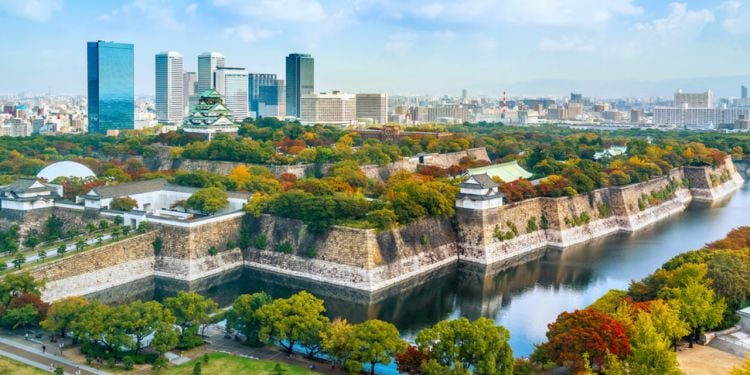
Accommodation in Osaka
Osaka is the third most populated city in Japan and is only 2.5 hours from the capital Tokyo by Shinkansen high-speed train. People often say that ...
Leisure, Culture, and Things to Do in Osaka
Osaka offers an exceptional range of cultural, entertainment, and recreational activities. From historic landmarks to modern theme parks, the city caters to diverse interests and ages.
Historical and Cultural Attractions
Osaka Castle is the city's most iconic landmark, featuring an eight-story museum with over 10,000 historical artifacts documenting the Toyotomi and Tokugawa periods. The surrounding Osaka Castle Park spans 106 hectares with cherry trees, plum groves, and scenic moats. Admission to the castle tower is ¥600 for adults. The newly opened Toyotomi Stone Wall Museum (2025) reveals original castle foundations buried since 1615.
Shitennoji Temple, founded in 593 AD, is one of Japan's oldest Buddhist temples. The Osaka Museum of History offers panoramic castle views alongside interactive exhibits covering the city's 1,400-year history. For traditional entertainment, catch Bunraku puppet theater at the National Bunraku Theatre in Nipponbashi.
Entertainment and Nightlife
Dotonbori is Osaka's entertainment heart, famous for its neon signs, canal-side dining, and the iconic Glico Running Man billboard. Amerikamura (American Village) draws younger crowds with vintage shops and street fashion. For thrill-seekers, Universal Studios Japan in the bay area features world-class rides including the Wizarding World of Harry Potter and Super Nintendo World.
The Shinsekai district offers a nostalgic atmosphere with the Tsutenkaku Tower and abundant kushikatsu (deep-fried skewer) restaurants. Sports fans can catch baseball games at Kyocera Dome (Orix Buffaloes) or football at Yanmar Stadium Nagai (Cerezo Osaka).
Sources: Japan National Tourism Organization, Osaka Convention & Tourism Bureau
Daily Life in Osaka
Daily life in Osaka is characterized by efficiency, convenience, and a distinct local culture that sets it apart from other Japanese cities. The city's compact layout and excellent public transportation make car ownership unnecessary for most residents.
Getting Around
Osaka Metro operates 9 subway lines covering the city comprehensively. Single fares range from ¥190 to ¥390 depending on distance. Monthly commuter passes start at ¥7,930 for one zone. The Enjoy Eco Card offers unlimited daily travel on Metro and city buses for ¥820 on weekdays or ¥620 on weekends. IC cards like ICOCA and PiTaPa provide seamless payment across all transit systems.
Beyond the Metro, JR West, Hankyu, Hanshin, and Kintetsu railways connect Osaka to the greater Kansai region. Kansai International Airport is accessible via the Nankai line (approximately 45 minutes from Namba) or JR Haruka express (50 minutes from Tennoji).
Lifestyle and Culture
Osaka's famous motto is "kuidaore" (eat until you drop), reflecting the city's food-obsessed culture. Convenience stores (konbini) are ubiquitous, offering everything from fresh meals to bill payment services 24/7. Most shops and restaurants accept cash, though IC card payments and QR codes are increasingly common. Garbage separation is mandatory, with specific collection days for burnable, non-burnable, and recyclable waste. The city is extremely safe, with low crime rates even in entertainment districts late at night.
Sources: Osaka Metro, Osaka City Government
Cost of Living in Osaka
Osaka offers a lower cost of living compared to Tokyo while maintaining excellent urban amenities. Overall, you can expect expenses to be approximately 17-20% lower than in Japan's capital, with housing representing the most significant savings.
Monthly Budget for a Single Person
The following estimates are based on a moderate lifestyle, living outside the city center with regular use of public transportation.
Expense Category | Monthly Cost (¥) | Monthly Cost (USD) |
Rent (1-bedroom, outside center) | ¥70,000 | ~$470 |
Utilities (electricity, gas, water) | ¥15,000 | ~$100 |
Internet | ¥4,500 | ~$30 |
Transportation (commuter pass) | ¥10,000 | ~$67 |
Groceries | ¥35,000 | ~$235 |
Dining out/Entertainment | ¥25,000 | ~$167 |
Mobile phone | ¥3,000 | ~$20 |
Total | ¥162,500 | ~$1,089 |
Monthly Budget for a Family of Four
Expense Category | Monthly Cost (¥) | Monthly Cost (USD) |
Rent (3-bedroom, suburban) | ¥130,000 | ~$870 |
Utilities | ¥25,000 | ~$167 |
Internet | ¥4,500 | ~$30 |
Transportation | ¥20,000 | ~$134 |
Groceries | ¥80,000 | ~$536 |
International school (1 child) | ¥180,000 | ~$1,205 |
Dining/Entertainment | ¥40,000 | ~$268 |
Health insurance (NHI supplement) | ¥15,000 | ~$100 |
Total | ¥494,500 | ~$3,310 |
Sources: Numbeo, Expatistan (November 2025 data)
In Short
Osaka offers an outstanding quality of life for expatriates seeking the benefits of living in a major Japanese city without Tokyo's premium prices. With its welcoming locals, legendary food scene, strong pharmaceutical and tech job markets, and strategic location in the heart of Kansai, Osaka provides a compelling destination for professionals, families, and students alike.
The city's efficient transportation network, diverse neighborhoods, and access to international schools make settling in remarkably smooth. Whether you're drawn by career opportunities at global companies like Takeda or Panasonic, the culinary adventures awaiting in every district, or the rich history surrounding Osaka Castle, this dynamic city delivers on its promise as Japan's friendliest metropolis.
Ready to start your Osaka adventure? Join the Expat.com Osaka Forum to connect with fellow expats, ask questions, and get insider tips from those already living the Osaka life!
We do our best to provide accurate and up to date information. However, if you have noticed any inaccuracies in this content, please contact us.


Essential services for your expat journey