

Living in Nagoya: the ultimate expat guide
Everything you need to know for a successful life in Nagoya.
Nagoya is Japan's fourth-largest city with a population of 2.3 million, serving as the capital of Aichi Prefecture and the economic heart of the Chubu region. Strategically positioned between Tokyo and Osaka, this industrial powerhouse combines traditional Japanese culture with modern urban living. The city offers a more relaxed pace than Tokyo while providing excellent infrastructure, lower living costs, and strong employment opportunities in manufacturing and technology sectors.
Why Choose Nagoya?
Nagoya stands out as an ideal destination for those seeking authentic Japanese life without the overwhelming crowds of larger metropolises. The city's efficient transportation network connects residents to mountains, beaches, and historic sites within hours, while its thriving expat community provides support for newcomers.
5 Good Reasons to Move to Nagoya
- Lower cost of living – Approximately 25% more affordable than Tokyo, with significantly cheaper housing options.
- Strong job market – Home to Toyota, Brother Industries, and numerous multinational companies with steady demand for skilled professionals.
- Central location – Tokyo is 100 minutes away by Shinkansen; Kyoto and Osaka are equally accessible for weekend trips.
- Growing international community – Over 95,000 foreign residents (4.1% of the population), with excellent support services and an established expat network.
- Quality of life – Less crowded, more green spaces, and easier access to nature while maintaining world-class urban amenities.
Working in Nagoya: Opportunities in Japan's Manufacturing Hub
Nagoya's economy is anchored by the automotive and manufacturing industries, making it Japan's industrial capital. Aichi Prefecture ranks first in manufacturing output nationwide for over four decades. The region offers diverse career opportunities, from engineering and technology to education and international business, with growing demand for English-speaking professionals.
Key Industries and Employers
The automotive sector dominates, with Toyota Motor Corporation headquartered nearby in Toyota City, along with major suppliers like Denso, Aisin, and Toyota Industries. Beyond automotive, the region leads in aerospace (contributing 50% of Japan's aircraft parts production), robotics, and advanced manufacturing. Other major employers include Brother Industries, Noritake, and Mitsubishi Heavy Industries. The city also hosts a growing startup ecosystem, with the STATION Ai incubation facility opening in October 2024 to foster innovation.
Work Visas and Requirements
Foreign nationals need a valid work visa to be employed in Japan. The most common categories include the Engineer/Specialist in Humanities/International Services visa (requiring a bachelor's degree or 10+ years of experience) and the Highly Skilled Professional visa for top-tier talent. Employers typically sponsor visa applications by obtaining a Certificate of Eligibility (COE) from the Immigration Services Agency, a process taking 1-3 months. Japan's unemployment rate sits at approximately 2.5% as of 2025, reflecting a tight labor market with strong demand for qualified workers.
The following table summarizes key employment indicators for the Nagoya region:
Unemployment Rate (Aichi) | 2.4% |
Average Annual Salary (Nagoya) | ¥4,250,000 (~USD 28,500) |
Average Annual Salary (Aichi Prefecture) | ¥5,040,000 (~USD 33,800) |
Top Sectors | Automotive, Aerospace, Robotics, Manufacturing |
Sources: OECD Employment Outlook 2025, Ministry of Health, Labour and Welfare
Finding a job in Nagoya
The Nagoya region is one of Japan's three economic pillars. Home to Toyota, it is also a leader in the aviation sector and machine tool ...
Higher Education in Nagoya: Universities and International Programs
Nagoya hosts several prestigious universities offering programs in English, making it an attractive destination for international students and researchers. The city's academic institutions maintain strong ties with local industries, particularly in engineering, automotive technology, and scientific research.
Major Universities
Nagoya University is the region's flagship institution, consistently ranked among Japan's top national universities and known for producing Nobel laureates. The university offers Global 30 International Programs taught entirely in English across undergraduate and graduate levels. Annual tuition for international students is ¥535,800 (~USD 3,600), significantly lower than comparable institutions in other countries. Other notable universities include Nagoya Institute of Technology (focusing on engineering and technology), Nanzan University (a private Catholic institution offering international exchange programs), and Meijo University, one of the largest private universities in the Chubu region.
Admission and Tuition
International students typically apply through university-specific admission processes, with most institutions requiring proof of English proficiency (TOEFL or IELTS) and academic transcripts. Application periods usually run from October to January for April enrollment. Average tuition fees for international bachelor's students in Nagoya range from ¥535,800 to ¥700,000 annually at public universities and higher at private institutions. Scholarship opportunities include the MEXT (Japanese Government) Scholarship and university-specific financial aid programs.
The following table provides an overview of major universities:
University | Type | Annual Tuition (approx.) |
Nagoya University | National | ¥535,800 |
Nagoya Institute of Technology | National | ¥535,800 |
Nanzan University | Private | ¥800,000–¥1,200,000 |
Meijo University | Private | ¥530,000–¥700,000 |
Sources: Nagoya University Global 30, Nagoya Institute of Technology
Schools for Expat Children: International and Bilingual Options
Nagoya offers several schooling options for expat families, from fully international schools following Western curricula to bilingual programs that combine Japanese and English education. The choice depends on your family's long-term plans, language preferences, and budget considerations.
International Schools
Nagoya International School (NIS) is the primary choice for expatriate families, offering education from preschool through Grade 12. Founded in 1964, NIS follows the International Baccalaureate (IB) curriculum and is accredited by both WASC and the Council of International Schools. The school enrolls approximately 500 students representing over 30 nationalities, with English as the medium of instruction. Annual tuition ranges from ¥1,960,000 for preschool to ¥2,910,000 for Grades 11-12. Additional fees include a registration fee of ¥200,000 and a building fee. Aichi International School provides another option, following a US Common Core curriculum with smaller class sizes.
Enrollment and Requirements
International school admissions typically require previous academic records, English proficiency assessment, and parent interviews. Applications should be submitted well in advance, as popular schools may have waiting lists. The academic year at most international schools runs from August to June, aligning with Western calendars. For families planning extended stays, Japanese public schools are free and provide excellent education, though instruction is entirely in Japanese. Some families opt for supplementary Japanese language classes alongside international schooling to support integration.
School | Curriculum | Annual Tuition (approx.) |
Nagoya International School | IB (PYP, MYP, DP) | ¥1,960,000–¥2,910,000 |
Aichi International School | US Common Core | ¥1,400,000–¥2,150,000 |
Enishi International School | IB/UK/Japanese blend | Contact school |
Sources: Nagoya International School, U.S. Department of State
Housing in Nagoya: Neighborhoods and Rental Prices
Nagoya's housing market offers more space and better value than Tokyo or Osaka, with a range of options from modern city apartments to Western-style houses with gardens. Understanding the popular expat neighborhoods and rental procedures will help you find suitable accommodation.
Popular Expat Neighborhoods
Meito-ku (particularly Issha and Hongo areas) is the most popular district among expat families, offering Western-style houses with gardens and convenient access to Nagoya International School and Toyota offices. Chikusa-ku provides a balance between urban convenience and greenery, with modern apartments near Higashiyama Park and good subway connections. Sakae and Fushimi in central Naka-ku suit professionals seeking urban living with walkable access to restaurants, entertainment, and nightlife. The area around Nagoya Station features newer apartment developments ideal for those prioritizing transportation access.
Rental Prices and Procedures
Renting in Japan involves upfront costs including key money (gift to landlord, typically 1-2 months' rent), deposit (1-2 months' rent), and agency fees. Many landlords require a Japanese guarantor or guarantor company. The rental market peaks between January and March as the academic and fiscal year begins in April.
1-Bedroom Apartment (City Center) | ¥70,000–¥120,000/month |
1-Bedroom Apartment (Suburbs) | ¥50,000–¥80,000/month |
3-Bedroom Apartment (City Center) | ¥150,000–¥300,000/month |
3-Bedroom Apartment (Suburbs/Meito-ku) | ¥120,000–¥200,000/month |
Western-style House (3-4 BR) | ¥200,000–¥450,000/month |
Sources: All Japan Relocation, Real Estate Japan
Leisure and Culture: Things to Do in Nagoya
Beyond its industrial reputation, Nagoya offers rich cultural experiences, historic sites, and modern entertainment options. From ancient shrines to cutting-edge museums, the city provides diverse leisure activities for residents and visitors alike.
Historic and Cultural Attractions
Nagoya Castle stands as the city's iconic landmark, built in 1612 by Tokugawa Ieyasu. The reconstructed Honmaru Palace, opened in 2018, showcases stunning Edo-period architecture with golden fusuma paintings. Admission is ¥500 for adults. Atsuta Shrine, one of Shinto's most sacred sites, houses the legendary Kusanagi sword. The Tokugawa Art Museum displays treasures of the Tokugawa clan, including a renowned collection of samurai artifacts. For automotive enthusiasts, the Toyota Commemorative Museum of Industry and Technology traces the company's evolution from textile looms to global automobile manufacturer. The SCMAGLEV and Railway Park showcases Japan's railway history, including Shinkansen models and a maglev train simulator.
Entertainment and Nature
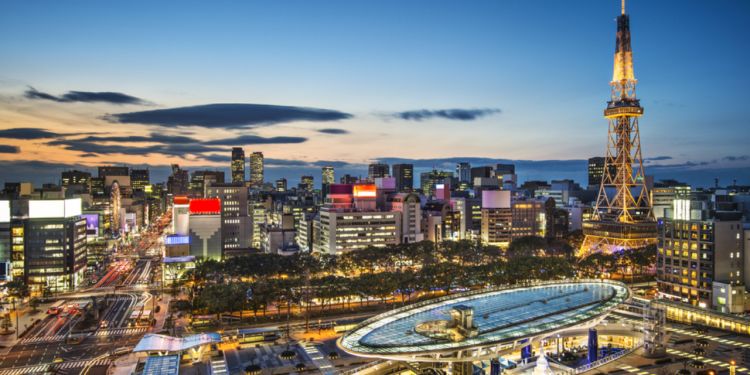
Sakae district serves as the entertainment hub, featuring Oasis 21 (a futuristic glass structure), shopping complexes, and vibrant nightlife. Osu Shopping Street offers an eclectic mix of traditional shops, electronics, and vintage clothing in a covered arcade setting. Families enjoy Higashiyama Zoo and Botanical Gardens, Japan's second most-visited zoo, and LEGOLAND Japan in the Port of Nagoya area. Ghibli Park, opened in 2022 in nearby Nagakute, brings Studio Ghibli's animated worlds to life. For nature escapes, Korankei Gorge offers spectacular autumn foliage, while Shirotori Garden provides tranquil Japanese garden strolls within the city.
Daily Life in Nagoya: Transportation and Local Culture
Daily life in Nagoya combines Japanese efficiency with a more relaxed atmosphere than the capital. The city's well-organized infrastructure makes navigation straightforward, while local customs and seasonal traditions add cultural richness to everyday routines.
Getting Around
Nagoya's subway system comprises six color-coded lines covering the city center comprehensively. Single fares range from ¥210 to ¥340 depending on distance. The Higashiyama Line (yellow) is the busiest, connecting Nagoya Station to Sakae and eastern suburbs. For regular commuters, a Manaca IC card offers convenience and small discounts on transfers. One-day subway passes cost ¥760, while combined bus and subway passes are ¥870. The Weekend Eco Ticket (Donichi Eco Kippu) at ¥620 provides excellent value on weekends and holidays. City buses charge a flat ¥210 fare. For tourist sightseeing, the Me~guru loop bus connects major attractions from Nagoya Station.
Local Lifestyle
Nagoya is famous for its unique food culture called Nagoya meshi, featuring dishes like miso katsu (pork cutlet with red miso sauce), hitsumabushi (grilled eel served three ways), and tebasaki (chicken wings). The city also popularized the "morning service" café culture, where ordering coffee includes a free breakfast of toast and eggs at many kissaten (traditional coffee shops). Supermarkets like Aeon, Valor, and Matsuzakaya stock imported products for international residents. English-speaking medical services are available at several hospitals, including the Nagoya International Center, which provides multilingual support for foreign residents.
Cost of Living in Nagoya: Monthly Budget Breakdown
Nagoya offers a notably lower cost of living compared to Tokyo, approximately 25% cheaper overall. Housing represents the biggest savings, while daily expenses like food, transportation, and utilities remain comparable to other major Japanese cities. The following tables provide realistic monthly budget estimates.
Budget for a Single Person
A single professional can live comfortably in Nagoya on a monthly budget of ¥180,000 to ¥250,000 depending on lifestyle choices and housing location.
Rent (1BR apartment, city) | ¥70,000–¥100,000 |
Utilities (electricity, gas, water) | ¥10,000–¥15,000 |
Groceries | ¥30,000–¥45,000 |
Transportation | ¥8,000–¥15,000 |
Mobile phone & internet | ¥8,000–¥12,000 |
Health insurance (National) | ¥15,000–¥25,000 |
Dining out & entertainment | ¥20,000–¥40,000 |
Total (Single Person) | ¥161,000–¥252,000 |
Budget for a Family of Four
Families should budget ¥450,000 to ¥650,000 monthly, with international school fees representing a significant expense if applicable.
Rent (3BR apartment/house) | ¥150,000–¥250,000 |
Utilities | ¥20,000–¥30,000 |
Groceries | ¥70,000–¥100,000 |
Transportation | ¥15,000–¥30,000 |
International school (1 child) | ¥160,000–¥240,000 |
Health insurance (family) | ¥30,000–¥50,000 |
Miscellaneous & leisure | ¥50,000–¥80,000 |
Total (Family of 4) | ¥495,000–¥780,000 |
Sources: Numbeo, LivingCost.org
In Short
Nagoya offers an ideal balance for expatriates seeking authentic Japanese life with practical advantages. As Japan's manufacturing powerhouse, the city provides strong employment opportunities, particularly in automotive and technology sectors, while maintaining living costs significantly below Tokyo. With excellent international schools, efficient transportation, and a growing foreign community of over 95,000 residents, settling in becomes manageable. The central location enables easy exploration of Japan, from ancient Kyoto temples to Alpine mountain resorts. Whether you're drawn by career opportunities, quality education for children, or simply a desire to experience Japan beyond the tourist trail, Nagoya welcomes you with its unique blend of industrial might and cultural heritage.
Connect with fellow expats and get personalized advice on the Expat.com Nagoya Forum. Our community is ready to help you make the most of your new life in central Japan.
We do our best to provide accurate and up to date information. However, if you have noticed any inaccuracies in this content, please contact us.


Essential services for your expat journey



