

Living in Fukuoka: the ultimate expat guide
Everything you need to know for a successful life in Fukuoka.
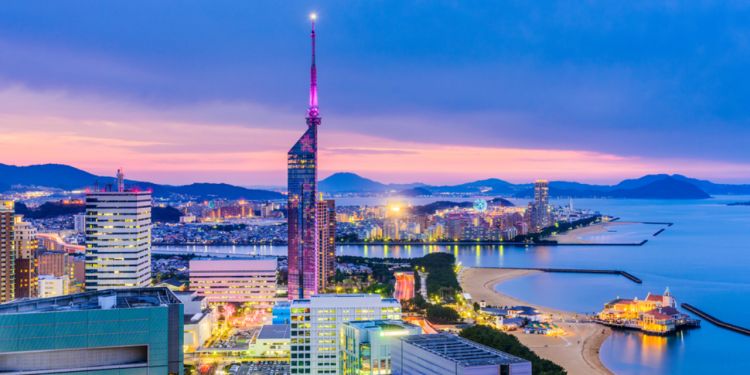
Fukuoka, the largest city on Kyushu island with a population of 1.6 million, consistently ranks among the most livable cities in the world. Selected multiple times in Monocle magazine's Top 25 Cities to Live In, Fukuoka combines urban convenience with a relaxed lifestyle that sets it apart from Tokyo and Osaka. The city enjoys a warm climate year-round, with temperatures rarely dropping below freezing in winter. Positioned as Japan's gateway to Asia, Fukuoka offers excellent connectivity with only 5 minutes by subway from the airport to the city center—making it one of the most accessible major cities in the world.
5 Good Reasons to Move to Fukuoka
- Affordable living costs – Rent and daily expenses are 30-40% lower than Tokyo, with significant savings on housing, groceries, and dining.
- Thriving startup ecosystem – Designated as a National Strategic Special Zone, Fukuoka actively attracts foreign entrepreneurs with its Startup Visa program and business-friendly policies.
- Exceptional food culture – Famous for Hakata ramen, mentaiko (spiced cod roe), and legendary yatai street food stalls along the Naka River.
- Perfect work-life balance – Compact city layout means most destinations are within 20 minutes, leaving more time for beaches, mountains, and cultural experiences.
- Welcoming international community – Over 45,000 foreign residents and numerous expat organizations create strong support networks for newcomers.
Working in Fukuoka: Careers and Opportunities
Fukuoka's economy is dynamic and increasingly international. The city hosts over 400 foreign companies and has emerged as Japan's premier startup hub outside Tokyo. The Startup City Fukuoka initiative makes it easier for foreign entrepreneurs to establish businesses, with dedicated support programs and special visa arrangements. Key industries include IT, gaming, logistics, and tourism, with companies like Rakuten, EDAG, and CyberConnect2 maintaining significant operations here.
Work Visas and Permits
To work in Fukuoka, you'll need a valid work visa. The most common categories include the Engineer/Specialist in Humanities/International Services visa for professionals, the Highly Skilled Professional visa for top-tier talent with accelerated permanent residency benefits, and the Startup Visa specifically available in Fukuoka for entrepreneurs. Your employer must apply for a Certificate of Eligibility (COE) before you can obtain your visa at a Japanese embassy. Processing typically takes 1-3 months.
Employment Overview
The following table provides key employment indicators for Fukuoka and Japan.
Unemployment rate (Japan) | 2.6% (September 2025) |
Average monthly salary (Fukuoka) | ¥450,000 - ¥530,000 |
Key industries | IT/Tech, Gaming, Logistics, Tourism, Manufacturing |
Minimum wage (Fukuoka Prefecture) | ¥1,118/hour (2025) |
Sources: Trading Economics, Nippon.com, Ministry of Health, Labor and Welfare
Finding a job in Fukuoka
Fukuoka is the capital of its eponymous prefecture, located on the island of Kyushu in southwest Japan, and is the largest city in the region. Its ...
Higher Education and Universities in Fukuoka
Fukuoka is home to several prestigious universities offering programs for international students. Kyushu University, one of Japan's seven former Imperial Universities, stands as the region's leading research institution with over 2,200 international students. The city's academic environment combines world-class education with a more affordable and relaxed lifestyle compared to Tokyo or Osaka.
Kyushu University
Kyushu University offers multiple International Undergraduate Programs taught entirely in English in Engineering, Bioresource and Bioenvironment, and Interdisciplinary Science and Innovation. Graduate programs span 18 schools with over 60 international courses. Annual tuition is approximately ¥535,800, with enrollment fees of ¥282,000. The university provides MEXT scholarships with monthly allowances of ¥117,000, tuition exemptions, and travel support for outstanding applicants. Applications for October intake typically close in January.
Other Universities
Fukuoka University, Seinan Gakuin University, and Kyushu Sangyo University also welcome international students with various programs and support services. Japanese language schools like GenkiJACS in Hakata offer intensive courses for those wanting to improve their language skills before or during university studies. Tuition at private universities ranges from ¥800,000 to ¥1,500,000 annually depending on the program.
Sources: Kyushu University Admissions, Kyushu University International Student Center
Schools and Education for Expat Children
Fukuoka offers excellent educational options for expat families, from international schools following global curricula to Japanese public schools that welcome foreign students. International schools provide continuity for children moving from abroad, while local schools offer deep cultural immersion and Japanese language acquisition.
Fukuoka International School (FIS)
Fukuoka International School is the city's premier international institution, offering the International Baccalaureate (IB) curriculum from Early Years (age 3) through Grade 12. Located in the Momochi district, FIS provides English-medium education with approximately 200 students from diverse backgrounds. Annual tuition ranges from ¥1,576,000 for Early Years to ¥2,296,300 for high school grades. Additional fees include application (¥52,000), enrollment, and facility charges. The school year runs from August to June.
Other Educational Options
The Global Indian International School in Hakata Ward serves the Indian community with CBSE curriculum. For families preferring local education, Japanese public schools are free and accept foreign children, though instruction is entirely in Japanese. Some schools offer supplementary Japanese language support. Bilingual preschools and kindergartens like Kids Duo provide early English exposure alongside Japanese. Private international preschools typically charge ¥60,000-100,000 monthly.
Sources: Fukuoka International School, U.S. Department of State
Housing and Neighborhoods in Fukuoka
Finding accommodation in Fukuoka is more straightforward and affordable than in Tokyo or Osaka. The city offers everything from modern high-rise apartments to traditional houses, with rents averaging 40% lower than Tokyo. Most expats settle in central wards like Chuo-ku and Hakata-ku, which offer excellent transport links and amenities. Renting typically requires a deposit (shikikin), key money (reikin), and often a Japanese guarantor, though some agencies specialize in foreigner-friendly rentals.
Popular Neighborhoods for Expats
Tenjin is Fukuoka's bustling commercial heart with shopping, dining, and entertainment. Studio apartments here range from ¥60,000-100,000 monthly. Hakata, centered around the main station, suits business professionals with excellent transport connections. Yakuin offers a trendy, artistic atmosphere with cafes and creative spaces—ideal for young professionals. Momochi provides a modern waterfront lifestyle near Fukuoka Tower. For families seeking more space, Ropponmatsu and suburban areas in Minami-ku offer larger properties and quieter environments.
Rental Costs
The following table shows typical monthly rents in Fukuoka.
1-bedroom apartment (city center) | ¥70,000 - ¥100,000 |
1-bedroom apartment (outside center) | ¥42,000 - ¥55,000 |
3-bedroom apartment (city center) | ¥110,000 - ¥120,000 |
3-bedroom apartment (outside center) | ¥78,000 - ¥115,000 |
Sources: Numbeo, Bamboo Routes
Leisure, Culture and Things to Do
Fukuoka offers a rich blend of traditional culture, modern entertainment, and natural beauty. The city's compact size makes it easy to enjoy morning hikes, afternoon museum visits, and evening food adventures all in one day. The famous yatai food stalls along the Naka River create a unique dining atmosphere found nowhere else in Japan.
Cultural Attractions
Kushida Shrine, founded in 757, anchors Fukuoka's cultural heritage and hosts the spectacular Hakata Gion Yamakasa festival every July. Tochoji Temple houses Japan's largest wooden seated Buddha statue and offers visitors a unique journey through a pitch-dark basement representing Buddhist enlightenment. The Fukuoka City Museum showcases regional history including the famous gold seal from 57 AD. For contemporary art, visit the Fukuoka Asian Art Museum, the world's only museum dedicated to Asian modern and contemporary art. Ohori Park provides a peaceful green escape with a beautiful pond, walking paths, and the adjacent Japanese Garden.
Festivals and Events
Hakata Dontaku (May 3-4) draws over 2 million visitors for Golden Week celebrations featuring parades, traditional dance, and citywide festivities. Hakata Gion Yamakasa (July 1-15) culminates in spectacular races where teams carry enormous floats through the streets at dawn. The Hojoya Festival at Hakozaki Shrine (September) features hundreds of stalls and traditional performances. Year-round, the yatai street food stalls in Nakasu and Tenjin offer nightly opportunities to enjoy ramen, yakitori, and oden while chatting with locals.
Sources: Japan National Tourism Organization, Fukuoka City Official Tourist Guide
Daily Life in Fukuoka
Daily life in Fukuoka strikes a balance between urban convenience and relaxed pace. The city's compact layout means you can reach most destinations within 20 minutes by subway, bus, or bicycle. The subtropical climate brings hot, humid summers and mild winters, with temperatures rarely dropping below freezing. Locals are known for their warmth and hospitality, making integration easier than in larger Japanese cities.
Getting Around
The Fukuoka City Subway operates three lines—Kuko, Hakozaki, and Nanakuma—connecting the airport, Hakata Station, and Tenjin. A single ride costs ¥200-340 depending on distance. The 1-Day Subway Pass costs ¥640 for unlimited travel. Nishitetsu buses cover areas the subway doesn't reach, with the 100-yen bus circulating central areas. IC cards like Hayakaken, Sugoca, and Suica work across all public transport. Cycling is popular, with the Chari Chari bike-sharing service available throughout the city. Taxis start at approximately ¥670.
Practical Considerations
Japanese language ability significantly improves daily life, though central areas offer some English signage and menus. Within 14 days of arrival, you must register your address at the local ward office to receive your My Number card. Healthcare is excellent but can be expensive—comprehensive health insurance is essential. Supermarkets like Sunny, Maruetsu, and Costco stock both local and imported goods. For imported specialty items, try Seijo Ishii in Tenjin or Kaldi Coffee Farm locations.
Cost of Living in Fukuoka
Fukuoka offers one of Japan's most attractive cost-of-living profiles for a major city. Living expenses are approximately 30-40% lower than Tokyo, with particularly significant savings on rent and dining. The median after-tax salary covers living expenses comfortably, and the excellent value extends to entertainment, transportation, and daily necessities.
Monthly Budget: Single Person
Expense | Monthly Cost (¥) | Approx. USD |
Rent (1BR, city center) | ¥78,000 | ~$520 |
Utilities (electricity, water, gas) | ¥15,000 | ~$100 |
Internet | ¥5,000 | ~$33 |
Groceries | ¥40,000 | ~$267 |
Transport (monthly pass) | ¥6,000 | ~$40 |
Mobile phone | ¥4,000 | ~$27 |
Total (excl. leisure) | ¥148,000 | ~$987 |
Monthly Budget: Family of Four
Expense | Monthly Cost (¥) | Approx. USD |
Rent (3BR, city center) | ¥115,000 | ~$767 |
Utilities | ¥31,000 | ~$207 |
Internet + mobile phones | ¥13,000 | ~$87 |
Groceries | ¥80,000 | ~$533 |
Transport | ¥15,000 | ~$100 |
International school (1 child) | ¥160,000 | ~$1,067 |
Health insurance | ¥40,000 | ~$267 |
Total | ¥454,000 | ~$3,027 |
Sources: Numbeo, Nomads.com
In Short
Fukuoka stands out as Japan's most welcoming city for international residents. Its winning combination of affordable living, thriving job market, excellent food culture, and genuine warmth makes settling here remarkably smooth. Whether you're drawn by career opportunities in its booming tech scene, seeking a better work-life balance, or simply wanting to experience authentic Japanese life without the intensity of Tokyo, Fukuoka delivers. The city rewards those who embrace it with strong community connections, incredible culinary experiences, and a quality of life that consistently ranks among Asia's best. Ready to start your Fukuoka journey? Join the conversation with fellow expats on the Expat.com Fukuoka forum to get firsthand advice and connect with your future community.
We do our best to provide accurate and up to date information. However, if you have noticed any inaccuracies in this content, please contact us.


Essential services for your expat journey