

Living in Bangalore: the ultimate expat guide
Everything you need to know for a successful life in Bangalore.
Bangalore, officially known as Bengaluru, is the capital of Karnataka and India's undisputed technology hub. Often called the Silicon Valley of India, this cosmopolitan metropolis combines modern innovation with rich cultural heritage. The city enjoys a pleasant year-round climate with temperatures averaging 24°C to 28°C, making it one of the most livable cities in South Asia. With a population exceeding 13 million, Bangalore attracts professionals, entrepreneurs, and families from across the globe seeking career opportunities and quality of life.
5 Good Reasons to Move to Bangalore
- Thriving job market: Home to headquarters of major IT companies like Infosys, Wipro, and hundreds of multinational corporations, offering abundant career opportunities.
- Pleasant climate: Year-round moderate temperatures provide a comfortable living environment unlike most Indian cities.
- Cosmopolitan culture: A diverse, welcoming population with excellent English proficiency and international cuisine options.
- Quality education: Numerous international schools and world-class universities catering to expatriate families.
- Growing infrastructure: Expanding metro network and modern amenities improving urban connectivity.
Working in Bangalore: Career Opportunities in India's Tech Hub
Bangalore stands as India's premier employment destination, particularly for technology professionals. The city hosts over 1 million IT workers and continues to attract global talent with its dynamic startup ecosystem and multinational presence. Understanding the local job market and visa requirements is essential for anyone planning to work here.
Key Industries and Employment Sectors
The Information Technology sector dominates Bangalore's economy, with major employers including Infosys, Wipro, Tata Consultancy Services, Accenture, and numerous global tech giants like Google, Amazon, Microsoft, and Intel. Beyond IT, the city has growing sectors in biotechnology, aerospace, financial services, and e-commerce. Startups flourish in neighborhoods like Koramangala and HSR Layout, creating opportunities across all experience levels.
Work Visa Requirements
Foreign nationals require an Employment Visa (E Visa) to work legally in India. Key requirements include a formal employment contract from an Indian-registered company, a minimum annual salary of USD 25,000 (approximately INR 21 lakhs), and specialized skills or qualifications. The visa is typically granted for one year and can be extended up to five years. Registration with the Foreigners Regional Registration Office (FRRO) is mandatory within 14 days of arrival for stays exceeding 180 days.
The following table provides key employment indicators for Bangalore:
Unemployment Rate (Karnataka) | 2.5% |
Average Monthly Net Salary (After Tax) | INR 115,000 (~USD 1,370) |
Main Employment Sectors | IT/Software, Biotechnology, Aerospace, Financial Services |
Sources: Numbeo 2025, PLFS India 2024-25
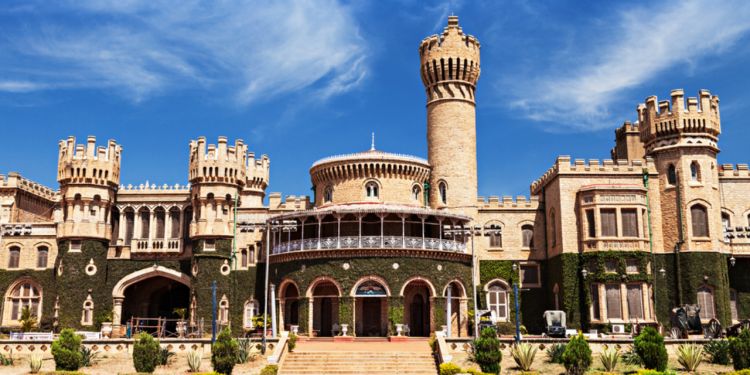
Working in Bangalore
Bangalore, officially known as ‘Bengaluru', is one of the most progressive cities of India. Located on a plateau, the city is the capital of ...
Higher Education in Bangalore: World-Class Universities
Bangalore offers exceptional higher education opportunities, hosting some of India's most prestigious institutions. The city attracts students worldwide for its science, engineering, and management programs. International students can access graduate-level programs with instruction primarily in English.
Premier Universities and Institutions
The Indian Institute of Science (IISc), founded in 1909, ranks among Asia's top research universities and holds India's #1 position in the National Institutional Ranking Framework. Located on a 400-acre campus in the city center, IISc offers master's and doctoral programs in science, engineering, design, and management. The institution was designated an Institute of Eminence in 2018 and ranks #219 globally in QS World University Rankings 2026.
Bangalore University, established in 1886, provides affiliation to over 500 colleges with enrollment exceeding 300,000 students. Other notable institutions include the National Law School of India University, Christ University, and numerous engineering colleges affiliated with Visvesvaraya Technological University.
Admission and Tuition
International students can apply to IISc graduate programs, though the undergraduate program is restricted to Indian nationals. Admission typically requires qualifying examinations such as GATE for M.Tech programs or CAT for management studies. Tuition fees at public institutions remain relatively affordable, with many students receiving government-funded stipends covering tuition and living costs. Private university fees range from INR 200,000 to INR 800,000 annually depending on the program.
Sources: Indian Institute of Science, Careers360
Schools for Expatriate Children in Bangalore
Bangalore provides extensive educational options for expatriate families, with numerous international schools offering globally recognized curricula. The city hosts schools following International Baccalaureate (IB), Cambridge (IGCSE/A-Levels), American, and Canadian programs, ensuring children can continue their education seamlessly.
Top International Schools
Canadian International School (CIS), established in 1996, was the first school in Bangalore to offer the IB Diploma. Located in Yelahanka near Kempegowda International Airport, CIS provides the Cambridge, IB, and Ontario curricula with boarding facilities available. Annual fees range from INR 541,700 to INR 1,122,700 depending on grade level.
Bangalore International School, founded in 1969, is among the city's oldest international schools. Originally established for American expatriate families, it now follows IB and Cambridge curricula. Annual fees range from INR 178,200 for preschool to INR 303,000 for A-Level programs.
Other highly regarded options include Stonehill International School (annual fees approximately INR 850,000), Indus International School (approximately INR 950,000), and The International School Bangalore (TISB), which offers both day and boarding programs.
Enrollment Process
Most international schools accept applications year-round, subject to availability. The admission process typically includes submitting transcripts, assessment tests covering recent curriculum, and parent-student interviews. Schools recommend applying six months to one year in advance, particularly for popular institutions. Many schools offer learning support centers for students with special educational needs.
Sources: Bangalore International School, Expat Arrivals
Housing and Neighborhoods in Bangalore
Bangalore offers diverse housing options across its sprawling metropolitan area. From modern high-rise apartments in tech corridors to charming bungalows in established neighborhoods, the city accommodates various preferences and budgets. Understanding neighborhood characteristics helps newcomers select the ideal location.
Popular Expatriate Neighborhoods
Whitefield remains the top choice for expatriates working in IT, hosting major tech parks including International Tech Park (ITPL). The area features modern gated communities, international schools like Oakridge, shopping malls including Phoenix Marketcity, and excellent restaurants. Metro connectivity via the Purple Line now links Whitefield to central Bangalore.
Indiranagar attracts young professionals and families seeking a vibrant lifestyle. Known for trendy cafes, craft breweries, boutiques, and excellent dining along 100 Feet Road, this upscale neighborhood offers proximity to several international schools and metro connectivity.
Koramangala buzzes with startup energy and social activity. Divided into numbered blocks, it provides excellent connectivity to the Central Business District, quality healthcare facilities, and abundant dining options. Jayanagar suits families seeking a quieter, more traditional neighborhood with parks, markets, and established infrastructure.
Rental Prices
The following table shows average monthly rents in Bangalore:
1-Bedroom Apartment (City Center) | INR 27,000 – 45,000 (~USD 320 – 535) |
1-Bedroom Apartment (Outside Center) | INR 16,000 – 30,000 (~USD 190 – 360) |
3-Bedroom Apartment (City Center) | INR 76,000 – 120,000 (~USD 900 – 1,430) |
3-Bedroom Apartment (Outside Center) | INR 48,000 – 80,000 (~USD 570 – 950) |
Sources: Numbeo 2025
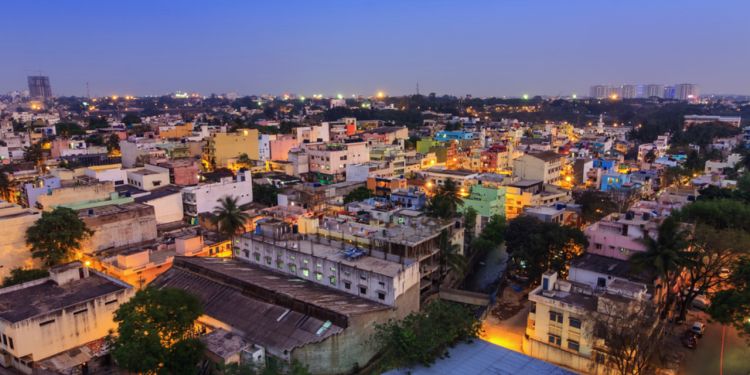
Accommodation in Bangalore
Bangalore, officially known as Bengaluru is the capital of Indian state of Karnataka. A highly vibrant and lively city, Bangalore is the third most ...
Leisure, Culture, and Things to Do in Bangalore
Bangalore offers abundant opportunities for leisure, culture, and recreation. From historic parks and museums to vibrant nightlife and sporting events, the city caters to diverse interests and provides excellent work-life balance.
Parks and Green Spaces
Cubbon Park, spanning 300 acres in the city center, serves as Bangalore's green lung. Established in 1870, the park features walking trails, historic colonial buildings including the Attara Kacheri (High Court), the State Central Library, and the Visvesvaraya Industrial and Technological Museum. The park hosts weekend concerts, yoga sessions, and the Putani Express toy train for families.
Lalbagh Botanical Garden, covering 240 acres, showcases tropical plants, ancient trees, and a Victorian-era glasshouse hosting seasonal flower shows. Bangalore Palace, built in Tudor style, offers guided tours revealing the city's royal heritage.
Entertainment and Nightlife
Bangalore's craft brewery scene flourishes in Indiranagar and Koramangala, with popular venues like Toit Brewpub and Windmills Craftworks. The city hosts major concerts at venues including Phoenix Marketcity and the M. Chinnaswamy Stadium. Cricket enthusiasts can watch Royal Challengers Bangalore IPL matches. Cultural attractions include the National Gallery of Modern Art, Karnataka Chitrakala Parishath art galleries, and regular theater performances.
Weekend Getaways
Bangalore's location provides easy access to hill stations like Nandi Hills (60 km), Coorg (250 km), and heritage sites including Mysuru (150 km) with its magnificent palace.
Sources: Lonely Planet, Ramanashree
Daily Life in Bangalore: Getting Around and Local Culture
Daily life in Bangalore blends Indian traditions with cosmopolitan modernity. The city's pleasant climate, diverse population, and abundance of amenities create a comfortable environment for expatriates. Understanding transportation options and local customs helps newcomers adapt quickly.
Public Transportation
Namma Metro (meaning "Our Metro" in Kannada) serves as Bangalore's rapid transit backbone. India's second-largest metro network spans 96.1 km with 83 stations across multiple lines. The Purple Line connects Whitefield to Challaghatta, while the Green Line runs north-south. The recently opened Yellow Line connects RV Road to Bommasandra, serving Electronic City. Fares range from INR 10 to INR 90, with smart cards offering discounts. Daily ridership exceeds 600,000 passengers.
BMTC buses provide extensive coverage across the city, with fares from INR 10 to INR 60 depending on distance. Monthly passes cost approximately INR 1,200. Ride-hailing apps like Ola and Uber offer convenient alternatives, with base fares around INR 100 plus INR 20 per kilometer.
Lifestyle and Culture
Bangalore's cosmopolitan character means English is widely spoken, easing communication for newcomers. The city offers excellent shopping from traditional markets like Commercial Street and KR Market to modern malls including Phoenix Marketcity, UB City, and Orion Mall. Dining options span authentic South Indian cuisine to international restaurants. The craft brewery scene thrives in areas like Indiranagar and Koramangala. Traffic congestion remains a challenge, particularly during rush hours, making neighborhood selection important for minimizing commute times.
Sources: Namma Metro Wikipedia, Visit Bangalore
Cost of Living in Bangalore: Budgeting for Expat Life
Bangalore offers a relatively affordable cost of living compared to major Western cities, though it ranks among India's more expensive metros. Careful budgeting helps expatriates maintain a comfortable lifestyle while managing expenses effectively.
Monthly Budget for a Single Person
The following table estimates monthly expenses for a single professional living in Bangalore:
Rent (1-bedroom, city center) | INR 27,000 (~USD 320) |
Utilities (electricity, water, internet) | INR 4,000 (~USD 48) |
Groceries | INR 8,000 (~USD 95) |
Transportation | INR 3,000 (~USD 36) |
Dining and Entertainment | INR 6,000 (~USD 71) |
Total (excluding rent) | INR 21,000 (~USD 250) |
Monthly Budget for a Family of Four
The following table estimates monthly expenses for a family with two children:
Rent (3-bedroom, city center) | INR 76,000 (~USD 900) |
Utilities (electricity, water, internet) | INR 6,000 (~USD 71) |
Groceries | INR 20,000 (~USD 238) |
International School Fees (2 children, monthly) | INR 50,000 (~USD 595) |
Transportation | INR 8,000 (~USD 95) |
Health Insurance (family) | INR 8,000 (~USD 95) |
Total (excluding rent) | INR 92,000 (~USD 1,095) |
Sources: Numbeo 2025, NoBroker
In Short
Bangalore stands as one of Asia's most dynamic cities for expatriates seeking professional growth and quality of life. Its thriving technology sector provides abundant career opportunities, while the pleasant climate, cosmopolitan culture, and excellent international schools make it ideal for families. The expanding Namma Metro network continues improving connectivity, and neighborhoods like Whitefield, Indiranagar, and Koramangala offer excellent amenities for international residents. Whether you're drawn by career prospects, education, or lifestyle, Bangalore delivers a rewarding expatriate experience. Connect with fellow expatriates, share experiences, and get practical advice by joining the Bangalore forum on Expat.com!
We do our best to provide accurate and up to date information. However, if you have noticed any inaccuracies in this content, please contact us.


Essential services for your expat journey



