

Living in Sousse: the ultimate expat guide
Everything you need to know for a successful life in Sousse.
Sousse, known as the Pearl of the Sahel, is Tunisia's third-largest city with a population of approximately 270,000 residents. Located 140 kilometers south of Tunis on the Gulf of Hammamet, this coastal city perfectly blends ancient history with modern Mediterranean living. The city's UNESCO-listed Medina, dating back to the 9th century, stands as one of the finest examples of early Islamic architecture in North Africa.
Why Expats Choose Sousse
Sousse offers a unique lifestyle combining affordable living costs, warm climate, and rich cultural heritage. The city serves as a major economic hub with a diverse economy based on tourism, manufacturing, transport equipment, and olive oil production. Its strategic location provides easy access to other Tunisian destinations while maintaining a relaxed coastal atmosphere.
5 Good Reasons to Move to Sousse
- Affordable Mediterranean lifestyle – Cost of living is approximately 28% lower than in Tunis and significantly cheaper than most European cities.
- Rich cultural heritage – A UNESCO World Heritage Medina and proximity to El Jem's Roman amphitheater and holy Kairouan.
- Year-round pleasant climate – Mediterranean weather with mild winters and warm summers perfect for beach living.
- Growing expat community – Established international schools and a welcoming local population.
- Strategic location – Easy access to Tunis, Monastir airport, and major tourist destinations.
Working in Sousse: Employment Opportunities and Permits
Sousse's economy offers opportunities primarily in tourism, manufacturing, education, and ICT sectors. While the local job market is competitive, expats with specialized skills in hospitality management, English teaching, IT, and engineering find opportunities with international companies and hotels along the coast.
Key Industries and Job Market
The city serves as a manufacturing hub, particularly for transport equipment, textiles, and processed foods. Tourism remains a major employer, especially in the resort areas of Port El Kantaoui and along the beach promenade. Higher education institutions also employ foreign academics and researchers. Job hunting in Sousse often works through personal networks and word-of-mouth rather than online platforms, so building local connections is essential.
Work Permits and Salaries
All foreign nationals require a work permit (Permis de Travail) before starting employment. Your Tunisian employer must sponsor the application and demonstrate that no qualified local candidate is available. Processing takes 1 to 12 weeks, with fees around 150-300 TND. Upon arrival, you must apply for a residence permit (Carte de Séjour) at the local police station within one month.
The following table shows key employment indicators for Tunisia:
National unemployment rate | 15.4% (Q3 2025) |
Minimum wage (48h/week) | 340 TND/month (~USD 110) |
IT professional salary range | 5,000-12,000 TND/month |
Teacher salary range | 1,000-1,500 TND/month |
Key sectors | Tourism, manufacturing, ICT, education |
Sources: Trading Economics, World Bank Tunisia Overview
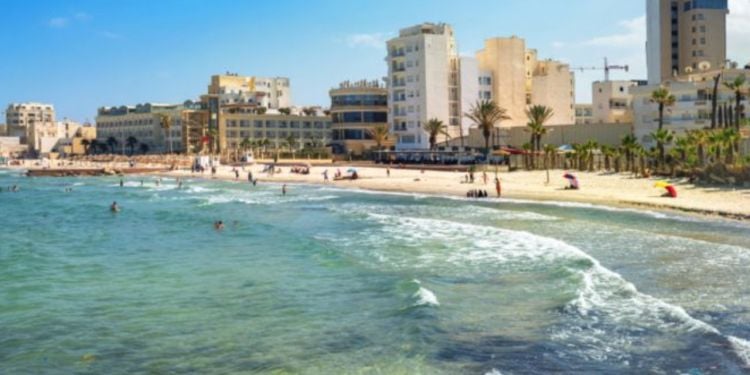
Work in Sousse
Sousse is the third largest city in Tunisia and a popular expat destination in the country. Known as the “Pearl of the Sahel" and offers a ...
Higher Education and Universities in Sousse
Sousse is home to a major public university and serves as an important educational center in Tunisia. The city attracts both local and international students seeking affordable quality education in the Mediterranean region.
University of Sousse
The University of Sousse is the city's main institution, ranked #1441 globally and #6 in Tunisia according to US News Best Global Universities. Established in 2004, it comprises 17 higher education institutions including four faculties, four schools, and nine specialized institutes. The university enrolls approximately 29,000 students, including around 670 international students. Academic programs cover medicine, engineering, law, economics, management sciences, arts, and humanities.
Programs and Admission
The university follows the LMD system (Bachelor's, Master's, Doctorate) aligned with European standards. The Faculty of Medicine, dating back to 1974, is particularly notable and historically collaborated with the University of Montreal. International students should contact the university directly for admission requirements, which typically include academic transcripts, language proficiency evidence, and a valid passport. Tuition fees at public universities remain highly affordable compared to Western institutions.
For private higher education options, students may consider institutions in nearby Tunis such as the Mediterranean School of Business or ESPRIT Engineering School.
Sources: US News Global Universities, Times Higher Education
Schools and Education for Expat Children in Sousse
Finding suitable education for children is a priority for families relocating to Sousse. While options are more limited than in Tunis, the city offers both international schooling and local bilingual alternatives.
International Schools in Sousse
The Sousse International School is the primary English-language option in the city. Founded in 2015 by expat families, it serves students from ages 4 to 18 and prepares them for university education in Europe, the UK, and North America. The school is registered with Tunisia's Ministry of Education and inspected by Penta International (BSO accredited). Another option is John Dewey School de Sousse, which offers the International Baccalaureate Primary Years Programme (PYP) from preschool through grade 6.
Options in Tunis
Families seeking a wider range of international curricula may consider schools in Tunis, approximately 2 hours by train. The British International School of Tunis (BIST) offers the full British curriculum from Early Years to Sixth Form with IGCSE and A-Level qualifications. The American Cooperative School of Tunis (ACST) provides US curriculum with IB Diploma Programme. The École Canadienne de Tunis offers French-language Canadian programs.
Enrollment typically requires school records, immunization documents, and passport copies. Application should begin several months before the intended start date, especially for popular international schools.
Sources: Sousse International School, UK Government Schools Database
Housing and Neighborhoods: Where to Live in Sousse
Sousse offers diverse housing options from modern apartments to traditional townhouses. As a coastal city popular with tourists, the rental market includes both long-term and vacation properties, with prices varying significantly by location and season.
Popular Neighborhoods for Expats
Sousse Corniche and Boujaffar are prime beachfront areas with modern apartments and easy access to restaurants and amenities. Hammam Sousse, to the north, offers a quieter residential atmosphere while remaining close to the beach. Sahloul is a developing area popular with families, located near the Olympic Stadium and offering newer constructions. The Medina area appeals to those seeking authentic Tunisian architecture, though properties here require careful inspection. Khezama provides a mix of residential options at moderate prices.
Rental Prices and Process
Studios range from 300 to 1,000 TND monthly depending on location. Sea-facing properties command premium rates of 2,000 TND or more. Leases are typically annual, and landlords often request payment upfront. Real estate platforms like Mubawab, Tayara, and Ballouchi list available properties, though working with a local real estate agent can expedite the search.
The following table shows typical monthly rental prices in Sousse:
Studio apartment | 300-1,000 TND (~USD 100-325) |
1-bedroom apartment | 850-1,200 TND (~USD 275-390) |
3-bedroom apartment | 1,500-2,700 TND (~USD 490-880) |
Sea-view apartment | 2,000+ TND (~USD 650+) |
Sources: Mubawab
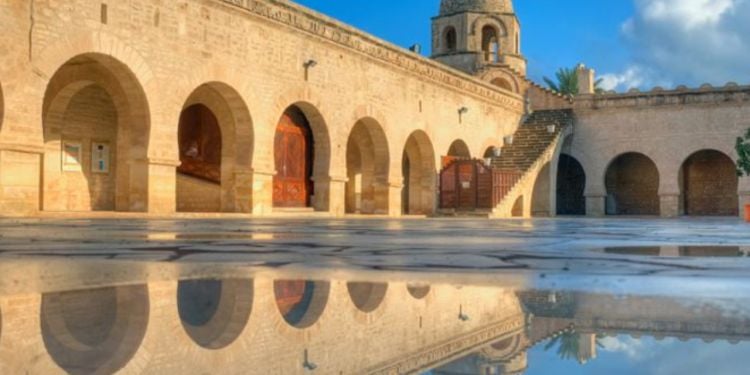
Accommodation in Sousse
If you are planning to relocate to Sousse, finding accommodation will definitely be one of your priorities. This can be quite time-consuming but not ...
Leisure, Culture and Things to Do in Sousse
Sousse combines beachside relaxation with rich historical attractions. From UNESCO heritage sites to modern marina entertainment, the city offers diverse leisure options for all interests.
Historical and Cultural Attractions
The Medina of Sousse, inscribed as a UNESCO World Heritage Site in 1988, features remarkably preserved 9th-century ramparts and winding streets filled with traditional souks. The Ribat, an 8th-century fortress, offers panoramic views from its watchtower. The Great Mosque, built in the 9th century, showcases early Islamic architecture. The Sousse Archaeological Museum, located in the Kasbah, houses one of Tunisia's finest collections of Roman mosaics, including pieces from nearby Thysdrus. Day trips to the El Jem Amphitheater (70km south), the fourth-largest Roman amphitheater in the world, and the holy city of Kairouan are highly recommended.
Beaches and Entertainment
Boujaafar Beach stretches along the city center with golden sand and clear Mediterranean waters. The beach promenade offers cafes, restaurants, and evening entertainment. Port El Kantaoui, a purpose-built resort complex north of the city, features a marina with luxury yachts, an 18-hole golf course, and international restaurants. Nightlife concentrates in the marina area and along the tourist zone with beach clubs and lounges. Water sports including jet skiing, windsurfing, and diving are available along the coast. Traditional hammams and spa centers offer authentic wellness experiences.
Sources: Tunisia Tourism, World Heritage Site
Daily Life in Sousse: Transport and Local Culture
Daily life in Sousse moves at a relaxed Mediterranean pace. The city's compact layout makes most destinations accessible, while public transport connects outlying areas and neighboring cities.
Getting Around Sousse
The city center and Medina are easily walkable. Public buses operated by regional companies connect neighborhoods, with fares around 0.5 to 2 TND. The Sahel Metro, a light rail service, links Sousse to nearby Monastir and Mahdia. Single tickets cost approximately 1.5 TND. Yellow taxis are abundant and affordable, with meters starting at 0.54 TND. The Bolt app works well for ride-hailing. For intercity travel, trains to Tunis depart several times daily, taking about 2 hours 20 minutes and costing USD 3-4. Louages (shared minivans) offer faster, flexible connections to most destinations.
Local Lifestyle
Tunisians typically speak Arabic and French, with English increasingly common in tourist areas. The workweek runs Monday to Friday, with some businesses closing for a midday break. Ramadan significantly affects daily rhythms, with many restaurants closing during daylight hours. The local currency is the Tunisian Dinar (TND), and cash remains preferred for most transactions. Supermarkets like Carrefour and Géant stock international products, while traditional markets offer fresh produce and local specialties.
Sources: Rome2Rio, Carthage Magazine
Cost of Living in Sousse: Budget Planning Guide
Sousse offers one of the most affordable Mediterranean lifestyles available. Living costs are approximately 28% lower than Tunis and significantly cheaper than comparable European coastal cities. The following tables provide realistic monthly budgets.
Single Person Monthly Budget
A single expat can live comfortably on USD 800-1,200 per month, depending on lifestyle choices and housing preferences.
Expense Category | Monthly Cost (TND) | Monthly Cost (USD) |
Rent (1-bedroom) | 900 | ~290 |
Utilities | 150 | ~50 |
Groceries | 400 | ~130 |
Transport | 100 | ~32 |
Internet/Phone | 50 | ~16 |
Total | ~1,600 | ~520 |
Family of Four Monthly Budget
Families should budget USD 1,800-2,800 per month, with school fees representing the largest variable expense.
Expense Category | Monthly Cost (TND) | Monthly Cost (USD) |
Rent (3-bedroom) | 2,000 | ~650 |
Utilities | 300 | ~97 |
Groceries | 800 | ~260 |
Transport | 200 | ~65 |
School fees (2 children) | 1,500 | ~490 |
Health insurance | 400 | ~130 |
Total | ~5,200 | ~1,690 |
Sources: LivingCost.org
In Short
Sousse offers an exceptional blend of affordable Mediterranean living, rich history, and modern conveniences. Whether you're drawn by career opportunities in tourism and industry, seeking quality education, or simply looking for a relaxed coastal lifestyle, this Tunisian gem delivers. The UNESCO-listed Medina, friendly local community, and proximity to major attractions make Sousse an ideal base for experiencing North Africa. With living costs significantly lower than European alternatives and a welcoming atmosphere toward newcomers, the Pearl of the Sahel continues to attract expats seeking something different. Ready to start your Sousse adventure? Join the Expat.com Sousse forum to connect with fellow expats, ask questions, and get firsthand advice from those already living the Mediterranean dream.
We do our best to provide accurate and up to date information. However, if you have noticed any inaccuracies in this content, please contact us.


Essential services for your expat journey