

Living in Zanzibar: the ultimate expat guide
Everything you need to know for a successful life in Zanzibar.
Zanzibar, a semi-autonomous archipelago off Tanzania's coast, offers a unique blend of African, Arab, Indian, and European influences set against pristine Indian Ocean beaches. With a population of approximately 710,000 and Stone Town designated as a UNESCO World Heritage Site, this island destination attracts digital nomads, entrepreneurs, and families seeking an affordable tropical lifestyle. The economy thrives on tourism (29.5% of GDP), trade, and agriculture, with the spice trade heritage still evident in daily life. English and Swahili are widely spoken, making integration smoother for newcomers.
5 Good Reasons to Move to Zanzibar
- Affordable cost of living – Monthly expenses for a single person average USD 1,200–1,800 including rent, significantly lower than Western cities.
- Year-round tropical climate – Temperatures range between 22°C and 33°C, with warm weather throughout the year.
- Rich cultural heritage – Stone Town's winding alleys, carved wooden doors, and historic architecture offer endless exploration.
- Growing digital nomad community – Coworking spaces in Stone Town, Paje, and Fumba cater to remote workers.
- Stunning natural beauty – White-sand beaches, coral reefs, and the Jozani Forest provide outdoor adventures.
Working in Zanzibar: Employment and Business Opportunities
Zanzibar's economy recorded 6.2% GDP growth in 2024, driven primarily by tourism recovery and infrastructure investments. For expatriates, the main employment sectors include hospitality, tourism operations, NGOs, and education. The island welcomed over 1.02 million tourists in 2024, creating demand for skilled professionals in hotel management, diving instruction, and tour operations.
Work Permits and Residence Classes
Tanzania's immigration system offers three residence permit categories. Class A is for investors and self-employed individuals with minimum investments of USD 300,000 (or registered with the Zanzibar Investment Promotion Authority – ZIPA). Class B covers employed professionals with skills not readily available locally, requiring employer sponsorship. Class C applies to researchers, retirees, volunteers, and students. All work permit applications must be submitted through the Tanzania Immigration Department online portal before arrival.
Key Employment Sectors
The following table summarizes Zanzibar's economic indicators relevant to job seekers.
GDP Growth Rate (2024) | 6.2% |
Tourism Contribution to GDP | 29.5% |
Inflation Rate | 3.9% |
Sources: Tanzania Investment and Consultant Group Ltd, World Bank
Higher Education and Universities in Zanzibar
Zanzibar offers limited but growing higher education opportunities, with institutions focusing on teacher training, languages, and tourism management. International students can pursue degree programs while experiencing Swahili culture firsthand, particularly through language immersion courses.
State University of Zanzibar (SUZA)
Established by the Zanzibar House of Representatives in 1999, SUZA is the island's primary public university. It offers programs across multiple schools including the School of Kiswahili and Foreign Languages (teaching Swahili, Arabic, English, French, German, Spanish, and Portuguese), the School of Education, and the School of Natural and Social Sciences. SUZA has become known for its Swahili language programs for foreign students, attracting learners from around the world. Tuition for international students starts at approximately USD 2,500 per academic year. More information is available at suza.ac.tz.
SUMAIT University
Built on the foundation of the former University College of Education Zanzibar (UCEZ), Abdulrahman Al-Sumait Memorial University offers undergraduate and postgraduate programs. The university focuses on education, health sciences, and Islamic studies. Both Tanzanian and foreign students are accepted, with fee structures varying by program.
Admission and Student Visas
International students require a Residence Permit Class C for study purposes. Applications should include a letter of introduction from the university, proof of accommodation, and evidence of financial means. Processing typically takes 4–8 weeks before travel.
Retiring in Zanzibar: A Tropical Option for Retirees
Zanzibar increasingly attracts retirees seeking affordable tropical living with a rich cultural backdrop. The Residence Permit Class C category specifically accommodates retired persons, though Tanzania does not offer a dedicated retirement visa program.
Visa Requirements for Retirees
Retirees must apply for a Class C Residence Permit through the Tanzania Immigration Department. Requirements include proof of pension or retirement income, evidence of accommodation in Zanzibar, a valid passport with at least six months validity, and a medical certificate. Applications should be submitted before arrival through the online immigration portal. Processing typically takes 4–8 weeks. Additionally, purchasing property valued at USD 100,000+ can support a Class C real estate buyer permit application.
Healthcare Considerations
Private healthcare is essential for retirees. MedExpress Hospital in Paje offers modern facilities including emergency care, surgery, and an ICU. Stone Town has Mnazi Mmoja Hospital (public, tertiary level) and private clinics. For serious conditions, medical evacuation to Nairobi or Dar es Salaam is standard practice. Comprehensive international health insurance with evacuation coverage (providers like Allianz Care or Cigna) is strongly recommended, with annual premiums ranging from USD 2,000–5,000 depending on coverage and age.
Retirement Budget Estimate
A comfortable retirement in Zanzibar is achievable on USD 1,500–2,500 per month, covering modest housing, local lifestyle, domestic help, and healthcare premiums. Those seeking beachfront living or frequent international travel should budget USD 3,000+.
Schools and Education for Expat Families
Families relocating to Zanzibar have options ranging from the main international school to local institutions. The education system follows British and international curricula at private schools, while public schools use Tanzania's national curriculum taught primarily in Swahili.
International School of Zanzibar (ISZ)
Founded in 1988, the International School of Zanzibar is the island's leading private institution, educating students from over 29 countries aged 3 to 18. Located in Mazizini (10 minutes from Stone Town, 5 minutes from the airport), ISZ follows the Cambridge International curriculum, including IGCSE and A-Level programs. The school is an accredited Cambridge Examination Centre. Facilities include a swimming pool, science lab, tennis court, football field, and ICT lab. Registration fee is USD 500 (one-time, non-refundable), with an annual Capital Development Fee of USD 600 (private) or USD 1,500 (corporate-sponsored). Tuition varies by grade level and increases annually by at least 2%. For details, visit isz.co.tz.
Local School Options
Public schools in Zanzibar are affordable but teach primarily in Swahili, which may present language barriers for expat children. Some private local schools offer bilingual education with English instruction. Enrollment typically requires birth certificates, immunization records, and previous school transcripts. Children of expatriates on dependent visas may need a Class C student permit for school enrollment.
Housing and Neighborhoods in Zanzibar
Zanzibar's rental market caters to various budgets, from historic Stone Town apartments to modern beachfront villas. Most expats find accommodations through local agents, online listings, or word-of-mouth within the community. Leases often require 3–12 months payment upfront, though shorter-term furnished rentals are increasingly available.
Popular Neighborhoods for Expats
Stone Town is the cultural heart of Zanzibar, offering colonial architecture, bustling street life, and convenient access to shops, restaurants, and the ferry terminal. Furnished one-bedroom apartments range from USD 300–600 per month. Nungwi and Kendwa on the northern tip attract those seeking beach lifestyle with nightlife, diving centers, and resort amenities. Paje, Jambiani, and Bwejuu on the southeast coast offer a relaxed atmosphere popular with digital nomads and kitesurfing enthusiasts. Fumba and Mbweni, closer to the airport, feature newer developments with modern housing and family-friendly environments.
Rental Prices
The table below provides average monthly rental costs in key areas.
1-bedroom apartment (Stone Town) | USD 300–600 |
3-bedroom house (Fumba/Mbweni) | USD 800–1,500 |
Beachfront villa (Nungwi/Paje) | USD 1,000–2,500 |
Sources: BE FORWARD Homes, local agent estimates (2024)
Leisure, Culture, and Things to Do in Zanzibar
Zanzibar blends cultural exploration with beach relaxation and outdoor adventures. From the labyrinthine streets of Stone Town to world-class diving sites, the island offers experiences for every interest.
Cultural Attractions
Stone Town, inscribed as a UNESCO World Heritage Site in 2000, showcases over a millennium of Swahili, Arab, Indian, and European influences. Must-visit sites include the Old Fort (Ngome Kongwe), the Anglican Cathedral built on the former slave market (entrance USD 5), and the Freddie Mercury Museum in the Queen frontman's childhood home (entrance USD 10). The Palace Museum (former Sultan's Palace) offers insights into royal Zanzibar history. Wander the alleys to discover over 500 intricately carved wooden doors, each telling stories of merchant wealth and cultural origin. Darajani Market buzzes with spice vendors, fresh produce, and local life.
Beaches and Outdoor Activities
The island's coastline offers diverse beach experiences. Nungwi and Kendwa in the north feature consistent swimming conditions and lively nightlife. Paje and Jambiani on the east coast are world-renowned for kitesurfing. Snorkeling excursions to Mnemba Atoll reveal vibrant coral reefs and marine life. Jozani Chwaka Bay National Park protects the endemic red colobus monkey. Prison Island combines history with giant tortoise encounters. The annual Zanzibar International Film Festival (ZIFF) draws artists and filmmakers each July.
Nightlife and Dining
Forodhani Gardens night market is essential – sample Zanzibar pizza, grilled seafood, and sugarcane juice along the waterfront. Rooftop restaurants in Stone Town offer sunset views with Swahili cuisine. Beach bars in Nungwi and Kendwa host weekend parties.
Daily Life in Zanzibar: Transport, Culture, and Practicalities
Life in Zanzibar moves at a relaxed pace, influenced by the island's Islamic heritage and tropical climate. Most businesses close during Friday prayers, and Ramadan significantly affects daily routines. Newcomers quickly adapt to the rhythm of dala-dala travel, power fluctuations, and the warmth of local hospitality.
Getting Around
Dala-dalas (converted minibuses) are the primary public transport, connecting Stone Town to destinations across the island for just TZS 2,000 (approximately USD 0.80) per ride. Major terminals include Darajani Market (for northern routes) and Mwanakwerekwe Market (for eastern beaches). Services run from approximately 6:00 AM to 8:00 PM, though the Nungwi route operates later. Bodabodas (motorcycle taxis) offer quick point-to-point transport at around TZS 1,000 per 5 minutes. For mainland travel, Azam Marine operates fast ferries to Dar es Salaam (1 hour 45 minutes, approximately USD 35–50 for non-residents). Abeid Amani Karume International Airport handles international flights and domestic connections.
Lifestyle and Cultural Considerations
Zanzibar is predominantly Muslim, so modest dress is appreciated in Stone Town and villages – covering shoulders and knees shows respect for local customs. Swahili greetings like "Jambo" (hello) and "Asante" (thank you) are warmly received. Power outages occur, making backup solutions advisable. Mobile data is affordable (approximately USD 10 for 20GB monthly) with Vodacom offering the most reliable coverage. The island uses Type D electrical plugs (three-pronged, 220–240V).
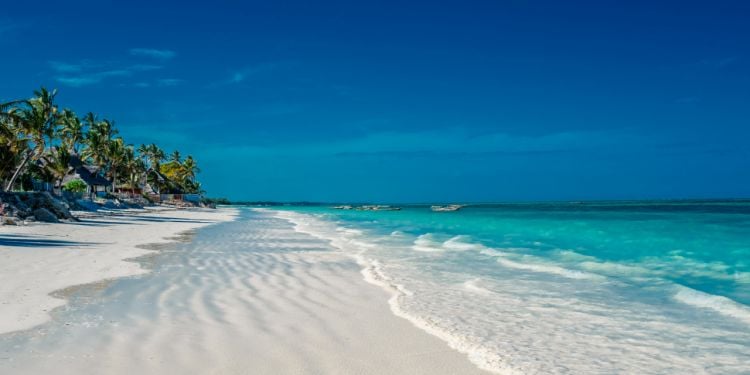
Discover Zanzibar
If you are interested in visiting Tanzania, especially for the purpose of vacationing, you are likely to be interested in at least considering ...
Cost of Living in Zanzibar: Monthly Budget Breakdown
Zanzibar offers a significantly lower cost of living compared to Western countries, though prices for imported goods and tourist-area services approach international levels. Living locally – shopping at markets, using dala-dalas, and dining at Swahili restaurants – dramatically reduces expenses.
Monthly Budget for a Single Person
The following table estimates monthly costs for one adult living a comfortable expat lifestyle.
Rent (1-bedroom, Stone Town) | USD 400–600 |
Groceries | USD 150–250 |
Dining out (moderate) | USD 100–200 |
Transport | USD 50–100 |
Utilities (electricity, water, internet) | USD 80–150 |
Health insurance (basic international) | USD 100–200 |
Total (single person) | USD 880–1,500 |
Monthly Budget for a Family of Four
Rent (3-bedroom house) | USD 1,000–1,800 |
Groceries | USD 350–500 |
School fees (ISZ, 2 children) | USD 1,500–2,500 |
Transport | USD 150–300 |
Utilities | USD 120–200 |
Health insurance (family) | USD 400–600 |
Total (family of 4) | USD 3,520–5,900 |
Sources: Numbeo, LivingCost.org, expat community estimates (2024–2025)
In Short
Zanzibar offers a compelling mix of affordable island living, rich Swahili culture, and natural beauty that draws adventurers, remote workers, and families alike. With steady economic growth driven by tourism, improving infrastructure, and a welcoming local community, the archipelago provides genuine opportunities for those seeking a different pace of life. The UNESCO-listed Stone Town serves as a cultural anchor, while pristine beaches and year-round warmth define daily life. Challenges exist – healthcare requires private insurance, bureaucracy demands patience, and imported goods carry premium prices – but the rewards of tropical sunsets, turquoise waters, and cross-cultural connections make Zanzibar an experience unlike any other. Ready to take the next step? Join the Expat.com Zanzibar forum to connect with others who have made the move and get answers to your questions from experienced expats on the ground.
We do our best to provide accurate and up to date information. However, if you have noticed any inaccuracies in this content, please contact us.


Essential services for your expat journey



