What are free zones in the UAE?
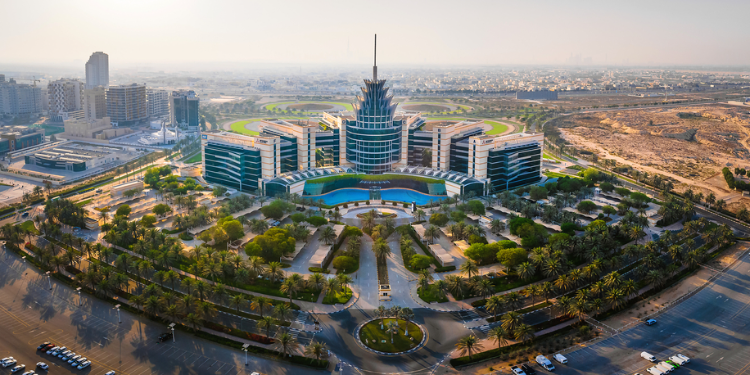
Free zones in the United Arab Emirates are over 40 designated areas where foreigners, that is expats in the country, can 100% own a company. Each free zone is generally designated for a specific industry, but they also allow some multidisciplinary flexibility.
For example, the Dubai International Financial Centre (DIFC) is for foreign-owned finance companies: insurance firms, investment firms, banks, etc. Dubai Maritime City (DMC) is for all marine services, such as ship repair and warehousing. The Creative City Free Zone is for businesses in the fields of media and communication, events and entertainment, consulting, and education. The Dubai Multi Commodities Centre (DMCC), meanwhile, is for trading various commodities from coffee to steel to petroleum. These are just some examples.
The license fee for each free zone is different. The most affordable cost is between 6000-12000 dirhams, that is, around 1600-3000 US dollars. The most expensive ones can cost up to 50,000 dirhams, i.e., nearly 14,000 US dollars. Apart from free-zone businesses being allowed to be 100% foreign-owned, there are also zero taxes levied on their employees' salaries, zero export and import taxes, corporate tax exemption for up to 50 years, and the possibility to repatriate 100% of the capital and profits abroad.
Furthermore, these free zones have world-class infrastructure and large concentrated pools of multicultural, multilingual skilled workers. It's also easy to recruit overseas applicants, as the free zones also have one-stop-shop work visa services.
It should be no surprise that these zones are hugely popular. In 2019, prior to the disruption in international travel and trade caused by the pandemic, the trade volume of the UAE's free zones had increased by 2.1 percent. The UAE has remained a popular destination for expats because its economy remained resilient despite the pandemic, partly thanks to the financial support offered by the state to businesses.