Living in Copenhagen: the ultimate expat guide
Everything you need to know for a successful life in Copenhagen.
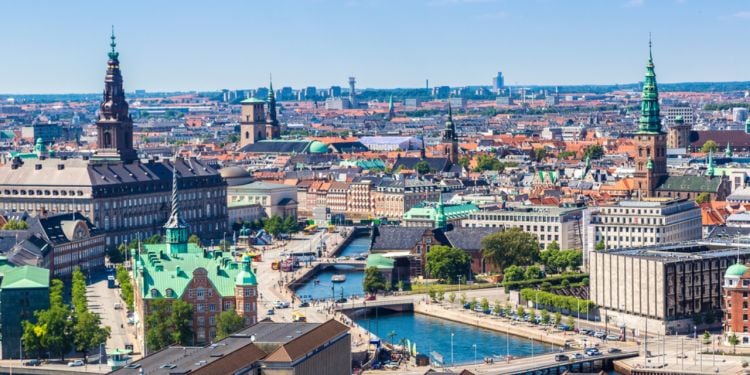
Copenhagen, the capital of Denmark, is a city where history meets innovation and sustainability shapes daily life. With a population of approximately 800,000 in the city proper and 1.9 million in the Greater Copenhagen area, this coastal metropolis on the Øresund strait offers newcomers a unique blend of Nordic culture, world-class design, and exceptional quality of life. The city consistently ranks among the world's happiest and most livable places, thanks to its efficient public services, safe streets, and strong work-life balance. English is widely spoken, making integration smoother for international residents.
5 Good Reasons to Move to Copenhagen
- Exceptional work-life balance – The Danish model prioritizes flexible working hours, generous parental leave, and a culture that values personal time alongside professional achievement.
- World-leading sustainability – Copenhagen aims to become the world's first carbon-neutral capital, with over 400 km of cycling infrastructure and green initiatives integrated into daily life.
- Thriving job market – Strong sectors in life sciences, IT, green energy, and finance offer excellent career opportunities for skilled professionals.
- Safe and family-friendly – Low crime rates, excellent healthcare, and high-quality education make Copenhagen ideal for families.
- Rich cultural scene – From Michelin-starred restaurants to historic landmarks and innovative design, the city offers endless cultural experiences.
Working in Copenhagen: Opportunities and Employment
Copenhagen offers a dynamic job market with strong opportunities across multiple sectors. The city benefits from Denmark's flexicurity model, which combines flexible labor markets with robust social security. English is widely used as a working language in many international companies, though learning Danish can enhance career prospects and integration.
Key Industries and Employment Sectors
The Greater Copenhagen region is home to major employers across diverse industries. Life sciences and pharmaceuticals represent the backbone of the local economy, with global giants like Novo Nordisk, Lundbeck, and numerous biotech firms headquartered in the area. The Medicon Valley cluster spans Copenhagen and southern Sweden, employing thousands in research and production. Information technology thrives with over 12,000 IT companies and 100,000 IT professionals in the region. Green energy and sustainable technology sectors are expanding rapidly as Denmark leads the global green transition. Finance and shipping also remain significant, with companies like A.P. Møller-Maersk and Danske Bank maintaining headquarters here.
Work Permits and Employment Rights
Citizens from EU/EEA countries and Switzerland can work freely in Denmark but must register with SIRI (Danish Agency for International Recruitment and Integration) within three months. Non-EU citizens typically need a work permit, with common pathways including the Pay Limit Scheme (minimum annual salary of DKK 448,000), the Positive List for in-demand professions, and the Fast-Track Scheme for certified companies. Processing times range from 1-3 months. The special expatriate tax scheme offers a flat 27% tax rate for up to 84 months for qualifying high earners.
The table below summarizes key employment indicators for Copenhagen.
Unemployment Rate (Denmark) | 2.6% (2025) |
Average Monthly Salary (Copenhagen) | DKK 52,000 (~USD 7,500) |
Key Sectors | Life Sciences, IT, Green Energy, Finance |
Sources: Statistics Denmark, EURES

Working in Copenhagen
Are you on the lookout for job opportunities in Copenhagen? The Danish capital is home to many ...

Copenhagen's labour market
If you have set your sights on working in Copenhagen, it is important to understand what kind of ...

The work culture in Copenhagen
Working environments abroad depend on two main factors: the job sector that you work in and the ...
Higher Education and Universities in Copenhagen
Copenhagen hosts some of Northern Europe's most prestigious educational institutions, attracting students from around the world. The city offers excellent research facilities, strong industry connections, and a vibrant international student community. Over 50 master's programs are taught entirely in English, making the city accessible to international students.
Leading Universities
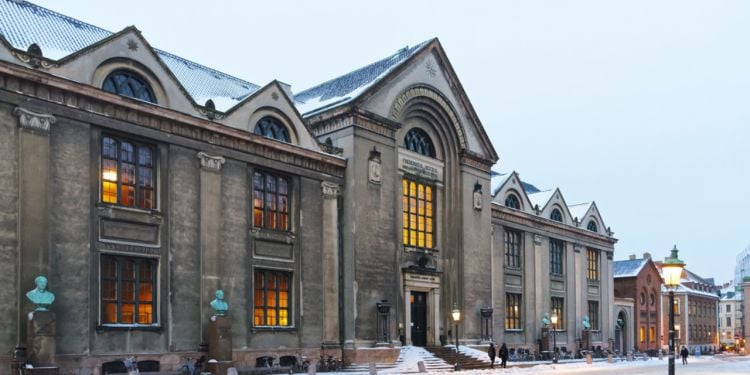
The University of Copenhagen (UCPH), founded in 1479, is Denmark's oldest and largest university, consistently ranked among the world's top 100 institutions. It has produced 10 Nobel laureates and enrolls approximately 40,000 students across six faculties. Copenhagen Business School (CBS) is one of Europe's largest business schools, renowned for its MBA and economics programs. The Technical University of Denmark (DTU), located just outside the city, excels in engineering and natural sciences. Other notable institutions include the IT University of Copenhagen, specializing in computer science and digital design, and the Royal Danish Academy of Fine Arts for creative disciplines.
Tuition Fees and Admission
Students from EU/EEA countries and Switzerland pay no tuition fees at Danish public universities. International students from other countries should budget between EUR 8,000 and EUR 17,000 per academic year, depending on the program. Application fees for non-EU students are typically DKK 750. Admission requirements include a bachelor's degree equivalent to Danish standards and proof of English proficiency (IELTS or TOEFL). The Danish State Educational Grant (SU) is available to EU/EEA students who work at least 10-12 hours per week alongside their studies.
University of Copenhagen | EUR 10,000-17,000/year |
Copenhagen Business School | EUR 12,500-17,000/year |
Technical University of Denmark | EUR 13,500-17,000/year |
Sources: University of Copenhagen, Study.eu

Schools and Education for Expat Children
Copenhagen offers excellent educational options for expatriate families, from Danish public schools to prestigious international institutions. The Danish education system emphasizes creativity, critical thinking, and student well-being, with a less formal approach compared to many other countries. International schools provide familiar curricula for families planning shorter stays or those preferring English-language instruction.
International Schools
Several well-established international schools serve the expatriate community. Copenhagen International School (CIS), located in Nordhavn, is the largest and most recognized, offering the International Baccalaureate (IB) program from preschool through grade 12. Annual tuition ranges from DKK 141,000 to DKK 197,000 depending on grade level. The International School of Hellerup also offers IB programs with tuition around DKK 75,000-89,000 per year. Bjørn's International School provides both Danish and English sections, while the European School Copenhagen offers a multilingual education. International Montessori School Copenhagen caters to younger children with fees around DKK 57,600 annually.
Danish Public Schools
Danish public schools (folkeskole) are free and generally of high quality. Children attend from ages 6 to 16, with classes conducted in Danish. Many schools offer integration support for international students, and some have international classes with English instruction during the transition period. The system emphasizes collaborative learning, project work, and minimal homework, particularly in younger grades. Registration is done through the municipality where you reside.
Copenhagen International School | DKK 141,000-197,000/year |
International School of Hellerup | DKK 75,000-89,000/year |
Danish Public Schools | Free |
Sources: Copenhagen International School, City of Copenhagen
Housing and Neighborhoods in Copenhagen
Finding accommodation in Copenhagen requires patience and preparation, as the rental market is competitive with low vacancy rates around 2.3%. Most rentals are unfurnished, and deposits typically amount to three months' rent plus one month upfront. Starting your search early and using reputable platforms like BoligPortal and Lejebolig is essential.
Popular Neighborhoods for Expats
Østerbro is a family-friendly area with parks, cafes, and proximity to the harbor. It offers a mix of historic apartments and modern developments, with two-bedroom units averaging DKK 13,000-15,000 monthly. Frederiksberg provides a village-like atmosphere within the city, featuring elegant architecture and green spaces, though it commands premium prices above DKK 16,000 for two bedrooms. Vesterbro, once working-class, has transformed into a trendy district with restaurants, boutiques, and the famous Meatpacking District. Nørrebro offers a multicultural atmosphere and slightly lower rents. Amager and Islands Brygge provide waterfront living with good value and easy metro access. Nordhavn is a newer development attracting international workers with modern apartments.
Rental Prices
Rents vary significantly by location and apartment size. Expect to pay between DKK 8,000-13,500 for a one-bedroom apartment in the city center, or DKK 6,000-9,000 in outer areas. Three-bedroom apartments in central locations typically cost DKK 18,000-25,000 monthly.
1-Bedroom (City Center) | DKK 11,000-16,000/month |
1-Bedroom (Outside Center) | DKK 6,000-13,000/month |
3-Bedroom (City Center) | DKK 18,000-25,000/month |
Sources: City of Copenhagen, Numbeo
Accommodation in Copenhagen
With close to two million residents in the greater municipal area, Copenhagen is a city famous for ...
Buying property in Copenhagen
Even if you have lived as an expat in different places, Copenhagen's property market is a whole ...
Choosing your neighbourhood in Copenhagen
Here are the neighbourhoods in Copenhagen ranked from most to least expensive. The different areas ...
Leisure, Culture and Things to Do
Copenhagen offers an exceptional cultural scene that blends historic charm with contemporary innovation. From world-renowned restaurants to charming harbor swims, the city provides endless opportunities for exploration and enjoyment throughout the year.
Landmarks and Attractions
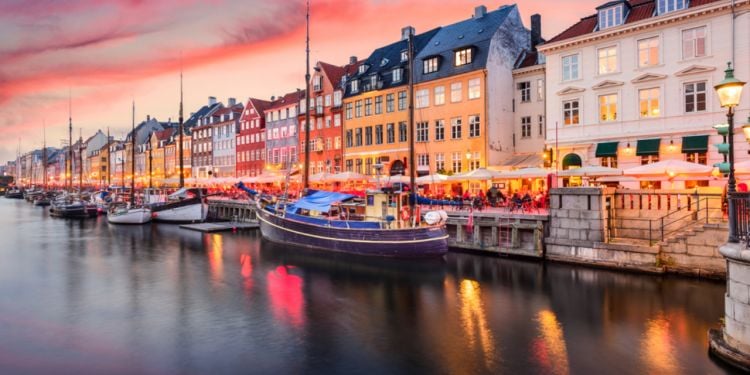
Tivoli Gardens, the world's second-oldest amusement park (founded 1843), remains the city's most beloved attraction, inspiring Walt Disney himself. Entry costs approximately DKK 155. The colorful Nyhavn harbor district, with its 17th-century townhouses and outdoor cafes, is iconic Copenhagen. Rosenborg Castle houses the Danish crown jewels within the beautiful King's Garden. Christiansborg Palace offers tours of the royal reception rooms and parliament. The Little Mermaid statue, though modest in size, draws visitors from around the world. For alternative culture, Freetown Christiania is a self-governing neighborhood with unique art, restaurants, and community spaces.
Museums and Cultural Venues
Art lovers should visit the Louisiana Museum of Modern Art, beautifully situated on the coast north of the city. SMK – The National Gallery of Denmark showcases Danish and international masterpieces. The Ny Carlsberg Glyptotek features an impressive collection of ancient sculptures and French Impressionists. Designmuseum Danmark celebrates the country's design heritage. The National Museum of Denmark covers Danish history from Viking times to the present.
Events and Nightlife
Major annual events include the Copenhagen Jazz Festival (July), Distortion street festival (June), Culture Night (October), and Copenhagen Pride (August). Christmas markets at Tivoli and Nyhavn create magical winter experiences. The Meatpacking District (Kødbyen) in Vesterbro is the hub for nightlife, with restaurants, bars, and clubs. Torvehallerne food market offers gourmet experiences for food enthusiasts.
Sources: Visit Copenhagen, Copenhagen Card
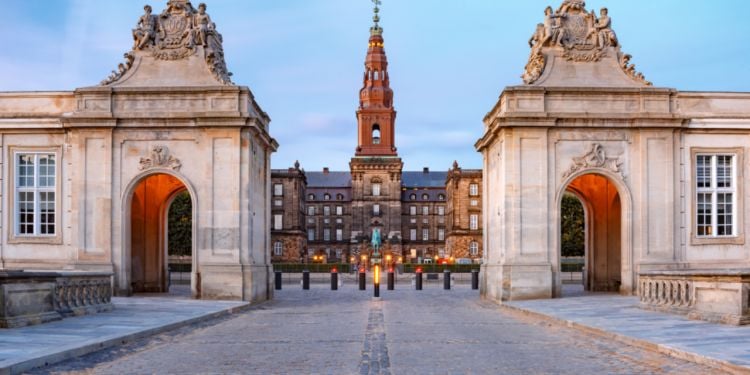
Things to do in Copenhagen alone, with friends or with family
Aside from leisure activities in Copenhagen, here are some other things to do in the city. There ...

Sports in Copenhagen
Despite a generally cool climate, Copenhagen offers its inhabitants plenty of opportunities to ...

Gastronomy in Copenhagen
Denmark's food scene has its own flavour and spice. Take some time out to explore the local ...
Daily Life in Copenhagen
Daily life in Copenhagen revolves around efficiency, sustainability, and the Danish concept of hygge—a cozy contentment that permeates social interactions. The city is compact and easy to navigate, with most residents cycling as their primary mode of transport. English is spoken fluently by approximately 86% of Danes, making everyday interactions manageable for newcomers.
Transportation
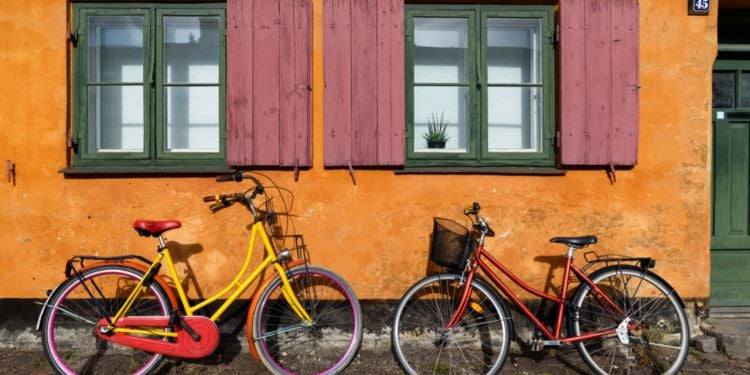
Copenhagen boasts an excellent integrated public transport system covering metro, buses, S-trains, and harbor buses. The Metro operates 24/7 and connects key areas including the airport. A monthly public transport pass costs approximately DKK 510-800 depending on zones covered. Single tickets start at DKK 24 for two zones. The Rejsekort (travel card) offers discounted fares for regular users. However, the true Danish transport experience is cycling—over 50% of Copenhagen commuters bike daily using the city's 400+ km of dedicated cycle lanes. Bike rentals are affordable at around DKK 100-150/day, or you can purchase a used bike for DKK 1,000-3,000.
Lifestyle and Practical Matters
Grocery shopping options range from budget chains like Netto, Rema 1000, and Lidl to upscale options at Irma and Torvehallerne market. Most shops close by 6-8 PM on weekdays and many remain closed on Sundays. Banking requires a CPR number (personal registration number) and NemID/MitID digital identification. Mobile phone plans are affordable at around DKK 100/month for unlimited data. The city enjoys long summer days with daylight until 10 PM, while winters are dark but compensated by cozy indoor culture and festive traditions.

The networking etiquette in Copenhagen
Now that you know how to network socially and build a professional network, its time to talk about ...

Developing your social circle in Copenhagen
As an expat in Copenhagen, it is essential to find a circle of friends to help you adjust to your ...

Developing a professional network in Copenhagen
Growing your professional network is essential, and even more so if you haven't yet found a job ...
Cost of Living in Copenhagen
Copenhagen ranks among Europe's more expensive cities, though high salaries and quality public services help offset costs. Budget-conscious choices in housing, groceries, and transportation can significantly reduce monthly expenses. The tables below provide realistic estimates for both single professionals and families.
Monthly Budget for a Single Person
A single professional can expect to spend between DKK 15,000-20,000 monthly excluding rent, or DKK 25,000-35,000 including accommodation. Key savings come from cycling instead of using public transport, shopping at discount supermarkets, and limiting restaurant visits.
Expense | Monthly Cost (DKK) | Monthly Cost (USD) |
Rent (1-bedroom, center) | 13,500 | 1,950 |
Utilities | 1,200 | 175 |
Groceries | 3,000 | 435 |
Transport (monthly pass) | 800 | 115 |
Dining/Entertainment | 2,000 | 290 |
Total | 20,500 | 2,965 |
Monthly Budget for a Family of Four
Families should budget between DKK 45,000-55,000 monthly including rent, though international school fees can add DKK 10,000-16,000 per child.
Expense | Monthly Cost (DKK) | Monthly Cost (USD) |
Rent (3-bedroom, center) | 22,000 | 3,180 |
Utilities | 1,800 | 260 |
Groceries | 6,000 | 870 |
Transport | 1,600 | 230 |
International School (1 child) | 13,000 | 1,880 |
Leisure/Entertainment | 3,500 | 505 |
Total | 47,900 | 6,925 |
Sources: Numbeo, City of Copenhagen
In Short
Copenhagen offers an exceptional quality of life that combines Nordic efficiency with genuine warmth. The city's commitment to sustainability, work-life balance, and social welfare creates a welcoming environment for expatriates from all backgrounds. While the cost of living is high, competitive salaries and excellent public services provide good value. The strong job market in life sciences, technology, and green energy presents excellent career opportunities. Whether you're drawn by professional ambitions, educational opportunities, or simply the pursuit of a better quality of life, Copenhagen delivers on its promises. The city rewards those who embrace cycling culture, learn a few Danish phrases, and open themselves to the concept of hygge. Ready to start your Copenhagen adventure? Connect with fellow expatriates and get insider tips on the Expat.com Copenhagen forum.
We do our best to provide accurate and up to date information. However, if you have noticed any inaccuracies in this content, please contact us.


News & testimonies
Denmark opens doors to foreign talent
Denmark is heavily relying on immigration to counter the acute labor shortage in certain sectors. The Danish government has come up with a special scheme to attract qualified foreign talent and created a list of jobs that are under pressure. So what are the opportunities that are currently available in Denmark for prospective expats?

Czech expat talks about living and being an entrepreneur in Denmark
Eliska is a young expatriate who has been traveling abroad since the age of 18. After staying in London and other countries, she finally moved to Denmark, where she owns a business helping people in their moving abroad plans. She talks to Expat.com about her expat life in this Nordic country.
Why expats are flocking to Denmark
An Oxford research group looked into what makes Denmark such an amazing country for expats. The happiest country on Earth attracts expats from all over the world. While 50% of them come from European countries, 34% come from Asia, North America, Oceania, etc., and the rest from other Nordic countries. If you've always wanted to discover the legendary “hygge” and are looking to relocate to Denmark after the COVID-19 crisis, here's what you should expect.
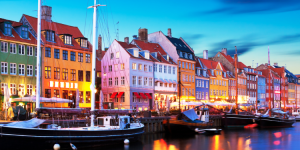
Why moving to Denmark could be your best decision
Besides being one of the world's safest countries, Denmark is also the least corrupt country according to the latest report by Transparency International – which is perhaps why it's gradually turning into a top expat destination. Job seekers, entrepreneurs, investors and even international students are keen on moving there for hygge. If you haven't made up your mind yet, here are five good reasons why moving to Denmark can be the best decision you have ever taken in your whole life.
Essential services for your expat journey