

Living in Santo Domingo: the ultimate expat guide
Everything you need to know for a successful life in Santo Domingo.
Santo Domingo, the vibrant capital of the Dominican Republic, stands as the oldest continuously inhabited European settlement in the Americas, founded in 1496. With over 3 million residents in the metropolitan area, this dynamic Caribbean city blends colonial history with modern urban life, offering newcomers a unique cultural experience. The city's historic Colonial Zone, a UNESCO World Heritage Site, features cobblestone streets and 16th-century architecture, while contemporary neighborhoods showcase modern high-rises, shopping centers, and a thriving business district.
The city enjoys year-round tropical weather with temperatures ranging from 71°F to 87°F (22°C to 31°C), making outdoor activities enjoyable throughout the year. Santo Domingo serves as the country's economic, political, and cultural center, with a growing economy driven by tourism, telecommunications, financial services, and free trade zones. The cost of living remains significantly lower than North American and European cities, making it an attractive destination for professionals, retirees, and families seeking a Caribbean lifestyle with urban conveniences.
5 Good Reasons to Move to Santo Domingo
- Affordable Cost of Living: Enjoy expenses approximately 29% lower than the United States, with housing, dining, and entertainment costs substantially reduced compared to major international cities.
- Rich Cultural Heritage: Experience living in a UNESCO World Heritage Site with museums, colonial architecture, and vibrant Caribbean culture including merengue, bachata, and Dominican cuisine.
- Growing Economy: Benefit from one of the fastest-growing economies in Latin America with GDP growth around 5%, offering opportunities in tourism, technology, finance, and services.
- Modern Infrastructure: Access excellent facilities including a modern metro system, international schools, quality healthcare, shopping centers, and Las Américas International Airport with direct flights to North America and Europe.
- Strategic Location: Enjoy proximity to pristine Caribbean beaches, easy access to other Caribbean destinations, and a welcoming international community with established support networks for newcomers.
Working in Santo Domingo
Santo Domingo's labor market has evolved significantly, positioning itself as a regional hub for business and services in the Caribbean. The city's economy is diversified across multiple sectors, with the service sector accounting for the largest share of employment. Key industries include tourism and hospitality, financial services, telecommunications, information technology, healthcare, education, and free trade zones manufacturing. International companies and regional headquarters are increasingly choosing Santo Domingo as their base for Caribbean and Latin American operations.
Key Employment Sectors and Opportunities
The tourism and hospitality sector remains a major employer, offering positions in hotels, restaurants, travel agencies, and tour operations. The financial services industry has expanded considerably, with numerous banks and insurance companies seeking bilingual professionals. The telecommunications and IT sector shows strong growth, with demand for software developers, network engineers, and digital marketing specialists. Free trade zones around the city employ thousands in manufacturing, call centers, and logistics. Healthcare facilities seek qualified medical professionals, while international schools require certified teachers. NGOs and international organizations maintain offices in Santo Domingo, providing opportunities for development professionals.
Work Permits and Employment Requirements
Foreign nationals must obtain a work permit before legally working in the Dominican Republic. Employers typically sponsor work permits through the Ministry of Labor. Required documents include a valid passport, job contract, professional credentials authenticated by the Dominican consulate, medical certificate, police clearance, and proof of qualifications. The process can take 3 to 6 months. Some professions require license validation from Dominican authorities. Remote workers increasingly choose Santo Domingo while maintaining employment with foreign companies, though proper visa status is essential. English teachers, IT professionals, and consultants find the most straightforward path to employment.
Salary Expectations and Working Conditions
The standard workweek in the Dominican Republic is 44 hours, typically distributed as 8 hours daily from Monday to Friday with a half-day Saturday or full weekends off. Employees receive mandatory benefits including paid vacation (14 days minimum), Christmas bonus (equivalent to one month's salary), and social security coverage. Entry-level positions in customer service or administration typically earn $300 to $500 monthly, while skilled professionals in engineering, IT, or finance command $800 to $1,500 monthly. Senior executives and specialized professionals can earn $2,000 to $5,000 monthly. International companies and free trade zones generally offer higher compensation than local businesses.
Employment Indicator | Value (2025) | Notes |
Unemployment Rate | 5.0% | Q2 2025, relatively low |
Average Monthly Salary | $400-$900 | Varies by sector and experience |
Key Sectors | Tourism, Finance, IT, Healthcare | Service sector dominant |
Sources: Trading Economics, Moody's Analytics
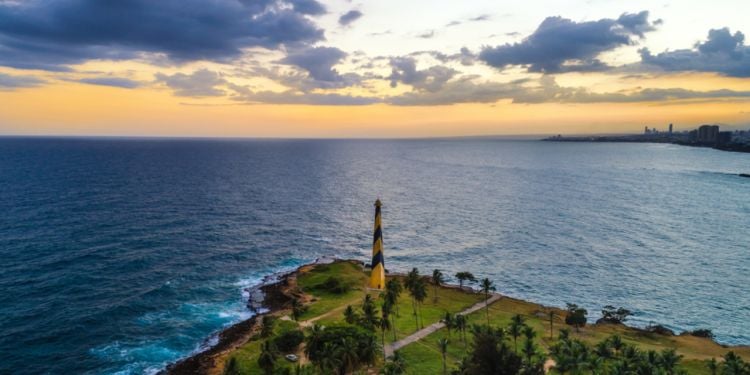
Working in Santo Domingo
Moving to Santo Domingo? Apart from finding suitable accommodation, you will probably have to look for a job as well. We have gathered some helpful ...
Higher Education & Universities
Santo Domingo boasts a distinguished higher education landscape, home to the oldest university in the Americas, the Autonomous University of Santo Domingo (UASD), founded in 1538. The city hosts over 25 universities and higher education institutions, offering programs in Spanish and increasingly in English. Both public and private universities provide undergraduate, graduate, and doctoral degrees across diverse fields including business, engineering, medicine, law, and social sciences. The academic environment attracts students from across Latin America and the Caribbean, creating a multicultural campus experience.
Major Universities and Programs
The Autonomous University of Santo Domingo (UASD) remains the country's largest public institution, offering affordable education across numerous faculties. Instituto Tecnológico de Santo Domingo (INTEC) ranks as the top private technical university, known for engineering, business, and architecture programs with strong industry connections. Pontificia Universidad Católica Madre y Maestra (PUCMM) provides prestigious programs in law, business, and health sciences with campuses in Santo Domingo and Santiago. Universidad Iberoamericana (UNIBE) offers modern facilities and international partnerships, particularly strong in medicine and dentistry. Several universities have established partnerships with American and European institutions, offering dual degrees and exchange programs.
International Programs and Admission
Many universities offer programs designed for international students, with some courses taught in English. Tuition fees for international students range from $1,000 to $8,000 annually for undergraduate programs, significantly lower than North American institutions. Graduate programs typically cost $2,000 to $10,000 per year. Admission requirements generally include a high school diploma or equivalent (apostilled and translated), transcripts, entrance examination, passport copy, and proof of Spanish proficiency for Spanish-taught programs. Application deadlines vary but typically fall between January and May for August enrollment. Several universities offer Spanish language courses for international students needing language preparation before beginning degree programs.
Student Life and Facilities
Universities in Santo Domingo feature modern campuses with libraries, computer labs, sports facilities, and student centers. Many offer student housing assistance, though most students live off-campus in shared apartments. Campus life includes student organizations, sports teams, cultural events, and professional networking opportunities. The Dominican academic year typically runs from August to December (first semester) and January to May (second semester), with a summer session from June to July. Students benefit from Santo Domingo's location, with easy access to internship opportunities in government, business, and NGOs. International students can apply for student visas through their sponsoring university, allowing legal residence during studies.
Retirement in Santo Domingo
The Dominican Republic has established itself as an attractive retirement destination, offering the Pensionado Visa specifically designed for retirees with foreign pensions. Santo Domingo combines affordable living, warm climate, quality healthcare, and established international community, making it particularly appealing for North American and European retirees. The country provides tax incentives for retirees and a straightforward path to residency and eventual citizenship. With year-round temperatures, Caribbean beaches, modern medical facilities, and significantly lower costs than Western countries, many retirees find comfortable lifestyles on modest pension incomes.
Retirement Visa Requirements and Process
The Pensionado Visa requires proof of monthly pension income of at least $1,500 USD from a government or private source, plus $250 USD per dependent. Qualifying pensions include Social Security, government pensions, private company retirement plans, and annuities. There is no minimum age requirement; applicants need only demonstrate qualifying pension income. Required documents include valid passport (18+ months validity), birth certificate (apostilled), marriage certificate if applicable, police clearance from countries of residence in past 5 years, medical certificate, proof of pension source, Dominican bank account, and valid Dominican health insurance. Applications are submitted through Dominican consulates abroad or within the Dominican Republic through the General Directorate of Migration. Processing typically takes 3-6 months. The visa grants one-year residency initially, renewable every two years. After holding residency for two years, retirees can apply for permanent residency and eventually citizenship after maintaining residency for five years total.
Tax Benefits and Financial Considerations
Retirement visa holders enjoy significant tax exemptions on foreign-source income, including pensions and annuities. The Dominican Republic taxes only locally-generated income, meaning most retirement income remains untaxed. Retirees can import household goods and one vehicle duty-free when establishing residency. Property ownership is unrestricted for foreigners with full ownership rights. Banking services accommodate foreign retirees with U.S. dollar accounts available at major banks. Many retirees maintain U.S. bank accounts with Social Security direct deposit, transferring funds as needed. Healthcare costs remain substantially lower than North America, with private insurance available for $100-$300 monthly for comprehensive coverage. Some retirees supplement Dominican insurance with international policies or travel insurance for visits abroad.
Retirement Lifestyle in Santo Domingo
Santo Domingo offers urban retirement with cultural attractions, modern amenities, and excellent healthcare. The city's large international community provides social networks, clubs, and activities for retirees. English is increasingly common in business and healthcare settings, though Spanish language learning enhances daily life. Popular retirement areas include Bella Vista, Gazcue, and Colonial Zone for urban living, or suburban communities in Santo Domingo Este for quieter environments. Monthly living costs for retired couples typically range $1,500-$2,500 excluding international school expenses. Many retirees balance city living with beach visits to Boca Chica, Juan Dolio, or further coastal destinations. The active expat community organizes social events, volunteer opportunities, and cultural exchanges. Healthcare quality is high in private hospitals, with many doctors U.S.-trained and English-speaking. Santo Domingo's location provides easy access to North America with frequent direct flights and proximity to family.
Retirement information: Dominican Migration Office, Live and Invest Overseas
Schooling for Children
Santo Domingo offers diverse educational options for children, from local public schools to prestigious international institutions. While the Dominican public school system serves local families, most international families choose private or international schools where instruction occurs in English or bilingually. The city hosts over 20 international schools, primarily following American, British, or International Baccalaureate curricula. These schools provide continuity for children relocating from abroad and prepare students for university admission in North America, Europe, and internationally.
International Schools and Curriculum Options
The American School of Santo Domingo (ASSD), founded in 1981, offers U.S.-style education from pre-kindergarten through 12th grade with SACS accreditation. Carol Morgan School follows an American college-preparatory curriculum with advanced technology integration and strong arts programs. St. George School provides the International Baccalaureate Diploma Programme alongside Cambridge ESOL certification. New Horizons Bilingual School, established in 1977, offers dual English-Spanish instruction with French as a second language from 5th grade. LAM School International combines American standards with Dominican curriculum requirements. Lycée Français de Saint-Domingue serves French-speaking families with French national curriculum. Most international schools feature small class sizes (averaging 18-20 students), native English-speaking teachers, modern facilities, sports programs, and extracurricular activities.
Admission Process and School Fees
International school admission typically requires previous school records, standardized test scores or entrance examinations, passport copies, birth certificates, medical records, and parent/student interviews. Application deadlines usually fall between February and April for August enrollment, though mid-year admission may be possible depending on space availability. Annual tuition fees range from $5,000 to $15,000, with premier institutions charging up to $20,000 annually. Additional costs include application fees ($100-$200), enrollment fees ($500-$1,000), uniforms, books, school supplies, lunch programs, and transportation services. Some schools offer sibling discounts (5-15% for additional children) and scholarship programs for qualifying families.
School Locations and Transportation
International schools are distributed across Santo Domingo's neighborhoods, with concentrations in Bella Vista, Piantini, Arroyo Hondo, and Gazcue. Most schools provide bus transportation services covering major residential areas, with fees typically ranging from $50 to $150 monthly per child. Parents also commonly arrange private car pools with other families. The school day generally runs from 7:30 AM or 8:00 AM to 2:30 PM or 3:00 PM. Many schools offer after-school programs, sports, arts, and homework assistance for working parents. Santo Domingo's bilingual environment allows children to develop Spanish language skills naturally while maintaining their native language through school instruction.
School Information: Carol Morgan School, International Schools Database
Housing & Neighbourhoods
Santo Domingo's housing market offers diverse options from modern high-rise apartments to colonial houses and gated communities. The city's neighborhoods each possess distinct characteristics, catering to different lifestyles and budgets. Housing costs remain considerably lower than major international cities, though prices have increased in premium areas as the city develops. Most international residents choose furnished apartments initially, transitioning to unfurnished housing for long-term stays. The rental market is active, with numerous options available through real estate agencies and online platforms.
Popular Neighborhoods for International Residents
Piantini stands as Santo Domingo's most upscale neighborhood, featuring luxury apartments, embassies, high-end restaurants, and shopping centers including Ágora Mall and Blue Mall. Monthly rents for 1-bedroom apartments range from $700 to $1,200, while 3-bedroom units cost $1,500 to $3,000. Bella Vista offers mid-range housing with good restaurants, supermarkets, and proximity to the Malecón seafront promenade. Rents typically run $500-$900 for 1-bedroom and $1,000-$1,800 for 3-bedroom apartments. The Colonial Zone (Zona Colonial) attracts those seeking historic charm with restored colonial buildings, though modern amenities may be limited. Naco provides affordable housing near shopping and services, popular with young professionals and families. Gazcue features tree-lined streets near Plaza de la Cultura and universities, with 1-bedroom apartments from $400-$700. Arroyo Hondo and Cuesta Hermosa offer suburban feel with gated communities and international schools nearby.
Rental Procedures and Costs
Finding accommodation typically involves contacting real estate agencies or browsing online platforms. Landlords usually require one month's rent as deposit, the first month's rent in advance, and proof of income or employment letter. Lease agreements typically span one year, though shorter terms may be negotiable. Monthly rent generally excludes utilities (electricity, water, internet), which add approximately $80-$150 monthly depending on usage and apartment size. Furnished apartments command 20-30% premium over unfurnished units. Most apartment buildings in upscale areas feature 24-hour security, parking, swimming pools, and generators for power outages.
Buying Property in Santo Domingo
Foreign nationals can purchase property in the Dominican Republic with the same rights as citizens, except in border areas. Real estate prices vary significantly by location and property type. In premium areas like Piantini, apartments cost $2,000-$3,500 per square meter, while other neighborhoods range from $800-$1,500 per square meter. The buying process requires a lawyer to conduct title searches and handle paperwork. Closing costs include transfer tax (3% of property value), legal fees (1-2%), and registration fees. Mortgage financing is available from Dominican banks, though interest rates (10-13% annually) exceed North American rates. Many buyers opt for cash purchases or financing from their home countries.
Rental information based on data from Properstar and Numbeo
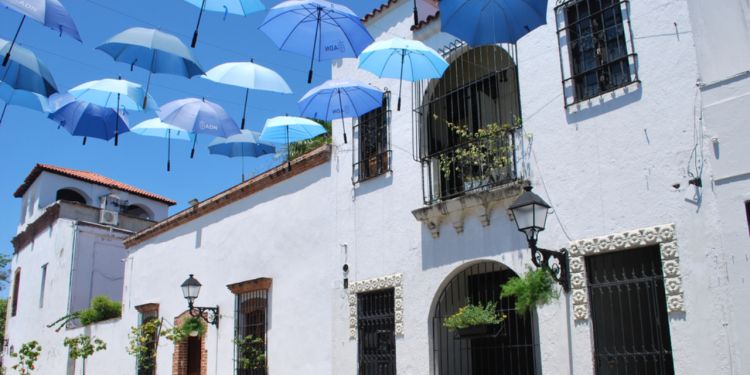
Accommodation in Santo Domingo
If you are relocating to Santo Domingo, here is some advice on how to go about finding housing. Whether you choose to live in the Dominican Republic ...
Leisure, Culture & Things To Do
Santo Domingo offers rich cultural experiences combining five centuries of history with contemporary Caribbean lifestyle. The city's designation as the first European settlement in the Americas provides unique access to colonial architecture, museums, and historical sites found nowhere else in the Western Hemisphere. Beyond historical attractions, residents enjoy beaches, parks, vibrant nightlife, diverse dining, sports, and festivals throughout the year. The Dominican culture emphasizes music, dance, family, and celebration, creating a lively social atmosphere.
Historical and Cultural Attractions
The Colonial Zone (Zona Colonial), a UNESCO World Heritage Site, features cobblestone streets, 16th-century buildings, and landmarks including the Catedral Primada de América (oldest cathedral in the Americas, built 1514-1540) and Alcázar de Colón, the palace of Diego Columbus completed in 1514. Calle Las Damas, the first paved street in the New World, leads to Fortaleza Ozama, a fortress built in 1502 offering panoramic river views. Plaza de la Cultura houses several important museums including the Museum of Modern Art showcasing 20th-century Dominican artists, the Museum of Man with Pre-Colombian Taino artifacts (world's finest collection), and the Museum of Natural History. The National Theater Eduardo Brito and Palacio de Bellas Artes host dance performances, concerts, theater productions, and international festivals. The Malecón waterfront boulevard extends 14 kilometers along the Caribbean Sea, popular for evening strolls, exercise, and weekend festivals.
Outdoor Activities and Recreation
Santo Domingo provides numerous parks and outdoor spaces. National Botanical Garden features tropical plants, Japanese garden, and walking trails across 400 acres. Mirador del Sur Park offers jogging paths, exercise stations, and green spaces for picnics. Güibia Beach and nearby coastal areas provide beach access within the city. Water sports including sailing, kayaking, and paddleboarding are available along the coast. Golf enthusiasts find several courses in the metropolitan area. The nearby mountains and countryside offer hiking, river rafting, and eco-tourism opportunities within day-trip distance. Parque Zoológico Nacional showcases Caribbean and Latin American wildlife. Sports culture thrives with baseball being the national passion; attending games at Estadio Quisqueya provides authentic Dominican experience.
Dining, Nightlife, and Entertainment
Santo Domingo's restaurant scene spans from traditional Dominican comedores serving la bandera (rice, beans, meat, and salad) for $3-$5 to upscale international cuisine. The Colonial Zone and Piantini concentrate trendy restaurants, rooftop bars, and cafes. Local specialties include mofongo, sancocho, fresh seafood, and tropical fruits. Nightlife centers on merengue and bachata clubs, casinos, live music venues, and beach bars. The Sambil Santo Domingo and Ágora Mall offer cinema, shopping, dining, and entertainment complexes. The city hosts major events including Carnaval in February-March with elaborate costumes and parades, the Merengue Festival in July filling the Malecón with music, and the Santo Domingo Book Fair attracting international authors. Weekly events include free outdoor concerts, art exhibitions, theater performances, and cultural workshops. Blue Mall features luxury shopping with international brands, while Mercado Modelo offers traditional crafts, art, and souvenirs.
Tourist information: Santo Domingo Tourism, Dominican Republic Tourism
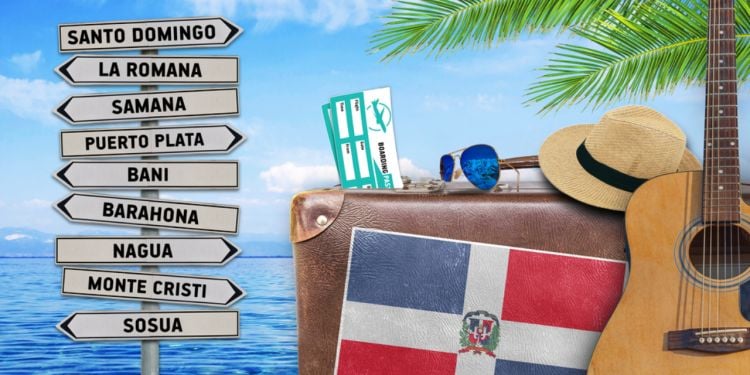
Leisure in Santo Domingo
How to keep yourself busy during your free time in Santo Domingo? Find in this article all you need to know about leisure in the Dominican capital ...
Daily Life
Living in Santo Domingo means adapting to Caribbean rhythms while enjoying modern urban conveniences. Daily life combines tropical climate considerations, vibrant social culture, and practical logistics. Residents quickly adjust to the warm weather, afternoon rain showers, and relaxed approach to time. The city operates with a blend of Latin American and Caribbean influences, where personal relationships matter in business and social contexts. Spanish is essential for daily interactions, though English is increasingly common in international business environments and tourist areas.
Transportation and Getting Around
Santo Domingo boasts the Caribbean's most extensive metro system, with 2 operational lines covering 33 stations across the metropolitan area. Line 1 runs north-south along Máximo Gómez Avenue, while Line 2 extends east-west on John F. Kennedy Avenue. Metro fares cost DOP 40 (approximately $0.70) for roundtrip, with rechargeable cards available at stations. The metro operates daily from 6:00 AM to 10:30 PM. Public buses (OMSA) and privately operated minibuses (guaguas) serve areas beyond metro coverage, with fares around DOP 50 ($0.90). Taxis are widely available, with typical fares ranging $4-$10 for cross-city trips. Uber and Cabify operate in Santo Domingo, offering convenient app-based transportation. Many residents own cars for flexibility, though traffic congestion occurs during rush hours (7-9 AM and 5-7 PM). The city's cable car system (Teleférico) connects northern neighborhoods. For intercity travel, modern bus companies like Caribe Tours and Metro Bus provide comfortable service to other Dominican cities.
Lifestyle and Cultural Considerations
Santo Domingo's social scene revolves around family, music, and outdoor activities. Dominicans are warm and welcoming, valuing personal connections and face-to-face interactions. Business relationships often begin with informal conversations and relationship building. The workday typically starts early (8 AM) with lunch breaks from noon to 2 PM, when businesses may close. Social activities include beach visits, restaurant dining, merengue and bachata dancing, baseball games, and family gatherings. The city is generally safe in residential and tourist areas, though standard urban precautions apply. Healthcare facilities include modern private hospitals and clinics offering quality care at reasonable costs. Banking services are widely available, with most international banks represented. Internet and mobile phone coverage is excellent in urban areas. Shopping options range from modern malls (Ágora, Blue Mall, Sambil) to traditional markets (Mercado Modelo) for local goods. The tropical climate means air conditioning is essential, impacting electricity costs significantly.
Transportation details: Santo Domingo Metro, Dominican Republic Tourism
Cost of Living
Santo Domingo offers a significantly lower cost of living compared to North American and European cities, making it attractive for international residents. Overall expenses are approximately 29% less than the United States average, with particularly notable savings in housing, dining, and services. However, imported goods and certain luxury items may cost more than in home countries. The Dominican peso (DOP) serves as local currency, with exchange rates fluctuating around DOP 58-60 per US dollar. Most major expenses can be paid in pesos, though some international transactions accept dollars.
Monthly Budget for a Single Person
A single person can live comfortably in Santo Domingo with careful budgeting. Housing represents the largest expense, varying significantly by neighborhood and accommodation type. Dining out remains affordable, with local restaurants offering meals for $3-$8, while international cuisine costs $15-$30 per person. Groceries from local markets and supermarkets provide economical options, though imported brands carry premium prices. Public transportation keeps travel costs low, while owning a car adds fuel ($4.50 per gallon), insurance, and maintenance expenses. Entertainment and leisure activities range from free beach access to ticketed concerts and sporting events.
Expense Category | Monthly Cost (USD) |
Rent (1-bedroom, decent area) | $500-$800 |
Utilities (electricity, water, internet) | $100-$150 |
Groceries | $200-$300 |
Transportation (metro/bus) | $30-$50 |
Dining out & entertainment | $150-$250 |
Health insurance | $80-$150 |
Miscellaneous | $100-$150 |
Total | $1,160-$1,850 |
Monthly Budget for a Family of Four
Families require larger budgets primarily due to housing, education, and increased consumption. International school tuition represents a significant expense for families with school-age children. Healthcare costs rise with family size, though private health insurance remains affordable compared to many countries. Family entertainment might include weekend beach trips, restaurant outings, and children's activities. Larger apartments or houses in family-friendly neighborhoods with security and amenities command higher rents.
Expense Category | Monthly Cost (USD) |
Rent (3-bedroom, good area) | $1,200-$2,100 |
Utilities | $180-$250 |
Groceries | $500-$700 |
Transportation (car or public) | $150-$300 |
School fees (2 children, international) | $800-$2,500 |
Health insurance (family) | $250-$400 |
Dining out & entertainment | $300-$500 |
Miscellaneous & savings | $200-$400 |
Total | $3,580-$7,150 |
Sources: Numbeo, Morillo Suriel Abogados
In Short
Santo Domingo presents an compelling option for those seeking Caribbean living with urban sophistication. The city combines fascinating history as the Americas' oldest European settlement with modern infrastructure including an advanced metro system, quality healthcare, international schools, and diverse housing options. The significantly lower cost of living—approximately 29% less than the United States—allows comfortable lifestyles whether you're working in growing sectors like technology and tourism, retiring on a pension, or raising a family. The warm Dominican culture, year-round tropical climate, and easy access to pristine beaches create an appealing daily environment. While adapting to a new country presents challenges, Santo Domingo's established international community and welcoming atmosphere ease the transition.
Ready to make Santo Domingo your new home? Connect with others who have made the move and get practical advice from experienced residents on theExpat.com Santo Domingo forum. Join the conversation, ask questions, and discover firsthand insights about living in the Dominican Republic's vibrant capital.
We do our best to provide accurate and up to date information. However, if you have noticed any inaccuracies in this content, please contact us.


Essential services for your expat journey



