

Living in Malaga: the ultimate expat guide
Everything you need to know for a successful life in Malaga.
Malaga, the sun-drenched capital of the Costa del Sol, combines rich history with modern infrastructure to offer an exceptional quality of life. With a population of approximately 591,000 residents, this Mediterranean city enjoys over 300 days of sunshine annually and an average temperature of 18°C. Once known primarily as a gateway to beach resorts, Malaga has transformed into a thriving cultural and technological hub, attracting professionals, families, and retirees from around the world.
Why Choose Malaga?
The city strikes a rare balance between coastal relaxation and urban opportunity. Its international airport connects to over 100 destinations worldwide, while the high-speed AVE train reaches Madrid in just 2 hours 20 minutes. The historic centre buzzes with museums, restaurants, and nightlife, yet peaceful beaches and traditional fishing villages lie just minutes away.
5 Good Reasons to Move to Malaga
- Exceptional climate – Mild winters and warm summers make outdoor living possible year-round.
- Growing tech sector – Malaga TechPark hosts over 700 companies and 28,000 employees, earning comparisons to Silicon Valley.
- Affordable cost of living – Significantly lower than Madrid, Barcelona, or major Northern European cities.
- Rich cultural scene – Over 40 museums, including the Picasso Museum and Centre Pompidou, plus year-round festivals.
- Excellent connectivity – Direct flights to major European cities and efficient public transport within the city.
Working in Malaga: Opportunities in Spain's Tech Hub
Malaga's job market has evolved dramatically over the past decade. While tourism and hospitality remain important employers, the city has emerged as Southern Europe's leading technology hub. The presence of multinational companies alongside a vibrant startup ecosystem creates diverse opportunities for skilled professionals.
Key Employment Sectors
The Malaga TechPark (PTA) is the region's largest employer, hosting over 715 companies and nearly 28,000 workers as of 2024. Major multinationals including Oracle, Accenture, IBM, Ericsson, Google, and Vodafone have established R&D centres here. Information and communication technology accounts for 60% of TechPark employment, followed by engineering, consultancy, and healthcare sectors. Tourism and hospitality continue to provide seasonal and permanent positions throughout the Costa del Sol.
Employment Conditions and Permits
Non-EU citizens typically require a work visa or residence permit. Spain's Digital Nomad Visa, launched in 2023, allows remote workers earning at least €2,762 per month to live and work in Spain for up to three years. The Highly Skilled Worker Visa requires minimum salaries of €40,077 annually for professionals or €55,142 for managers. EU citizens have unrestricted access to the Spanish labour market.
The following table summarises key employment indicators for the Malaga region:
Regional Unemployment Rate (Andalusia) | 16.1% (Q1 2025) |
Average Net Monthly Salary (Malaga) | €1,514 |
National Minimum Wage (2025) | €1,184/month |
Malaga TechPark Employees | 27,940 |
Sources: INE (National Statistics Institute), Numbeo, Malaga TechPark

Working in Malaga
Malaga is the capital of the province of Malaga, a southern Andalusian city by the Mediterranean Sea. Its population is approximately ...
Higher Education and Universities in Malaga
Malaga offers solid options for higher education, anchored by its public university and complemented by specialised institutions. The city's growing reputation as a tech hub has strengthened links between academia and industry, creating valuable opportunities for students and researchers.
University of Malaga (UMA)
The Universidad de Málaga is the region's primary higher education institution, serving approximately 35,000 students across 18 faculties. The university is particularly strong in computer science, telecommunications, and engineering, producing over 6,000 IT graduates annually who feed directly into the local tech sector. UMA maintains close ties with Malaga TechPark through joint research projects, internship programmes, and the UMA innTech Office located at the park's headquarters.
International Programmes and Admissions
UMA participates actively in the Erasmus+ programme and welcomes international students across all faculties. Courses are primarily delivered in Spanish, though some master's programmes offer English-language options. Tuition fees for EU students range from €700 to €1,500 annually depending on the programme, while non-EU students may pay higher rates. The International Centre for Spanish (CIE-UMA) offers intensive Spanish language courses for international students seeking to improve their language skills before or during their studies.
Admission Requirements
International students must have their secondary education credentials recognised in Spain. For undergraduate programmes, applicants typically need to pass the Selectividad exam or obtain recognition through the UNED credential evaluation. Graduate programmes require a recognised bachelor's degree and may have additional requirements depending on the field of study.
Sources: University of Malaga, CIE-UMA
Retiring in Malaga: Sun, Healthcare and Community
Malaga has long attracted retirees from across Europe and beyond, drawn by its exceptional climate, affordable living costs, and established expatriate communities. The combination of modern healthcare facilities, outdoor lifestyle opportunities, and cultural amenities makes it an appealing destination for those entering their retirement years.
Visa Options for Retirees
Non-EU retirees typically apply for Spain's Non-Lucrative Visa (NLV), designed for those with passive income who do not intend to work. Applicants must demonstrate stable annual income of at least €30,000 for an individual (approximately €2,500 monthly), plus additional amounts for dependents. The visa grants one-year residency, renewable annually for five years, after which permanent residency becomes available. Private health insurance covering Spain is mandatory for NLV applicants. The Digital Nomad Visa may suit retirees with remote consulting work or business income, requiring minimum earnings of €2,762 monthly.
Healthcare for Retirees
Spain's public healthcare system (Sistema Nacional de Salud) ranks among Europe's best. EU retirees can access public healthcare through the S1 form from their home country. Non-EU residents on private visas must maintain private health insurance, though coverage is comprehensive and affordable compared to the United States. The Hospital Regional Universitario de Málaga provides full medical services, while numerous private clinics offer English-speaking staff.
Retirement Lifestyle
The mild climate allows year-round outdoor activity, from morning beach walks to golf and hiking. Active retirement communities organise social events, language exchanges, and excursions throughout the Costa del Sol. The pace of life suits those seeking relaxation without isolation, with easy access to cultural events, restaurants, and international connections through the airport.
Sources: Spanish Ministry of Foreign Affairs, Spanish Social Security
Schools and Education for Children in Malaga
Families relocating to Malaga will find a comprehensive range of schooling options, from Spanish public schools to international institutions following British, American, and German curricula. The Costa del Sol region hosts over 40 international schools, making it one of Spain's best-served areas for expatriate education.
Spanish Public and Private Schools
The Spanish education system provides free public schooling for children aged 6 to 16. Primary education (Educación Primaria) covers ages 6-12, followed by compulsory secondary education (ESO) from 12-16. Public schools teach in Spanish, though some offer bilingual Spanish-English programmes. Private Spanish schools (colegios concertados) receive partial government funding and typically charge modest fees while following the national curriculum.
International Schools
The region offers excellent international school options. The British School of Malaga follows the English National Curriculum for students aged 3-18, with monthly tuition fees ranging from €500 to €900 depending on year level, plus an enrolment fee of €1,000. Queens British Grammar School provides British curriculum education with annual fees from €7,320 to €17,720. Atlas American School of Malaga, opened in 2022, offers American curriculum from kindergarten through Grade 12. Deutsche Schule Malaga serves the German-speaking community with German curriculum programmes.
Enrolment Considerations
International schools typically require advance application, with popular institutions maintaining waiting lists. Most schools request academic records, language assessments, and in some cases entrance examinations. The academic year runs from September to June, aligning with the Spanish calendar.
Sources: The British School of Malaga, International Schools Database
Housing and Neighbourhoods in Malaga
Malaga's property market offers diverse options across distinct neighbourhoods, each with its own character and price point. While rental costs have risen in recent years, they remain substantially lower than in Madrid or Barcelona, making the city an attractive option for those seeking Mediterranean living without capital-city prices.
Popular Neighbourhoods for Expatriates
Centro Histórico and Soho appeal to those wanting walkable urban living, with easy access to museums, restaurants, and nightlife. These areas suit young professionals and couples who prioritise convenience over space. Pedregalejo and El Palo, former fishing villages to the east, offer a more relaxed coastal atmosphere with beachfront promenades, traditional chiringuitos (beach bars), and a strong expatriate community. These neighbourhoods are popular with families and retirees seeking a village feel within the city. La Malagueta provides upscale beachfront living close to the centre, while Teatinos, near the university, offers modern apartments at more affordable prices, attracting students and young families.
Rental Prices and Procedures
Rental contracts in Spain typically run for one year with automatic renewal. Landlords generally request one to two months' deposit plus the first month's rent upfront. Many require proof of income or employment. The following table shows typical monthly rental costs:
1-Bedroom Apartment (City Centre) | €1,100/month |
1-Bedroom Apartment (Outside Centre) | €880/month |
3-Bedroom Apartment (City Centre) | €1,790/month |
3-Bedroom Apartment (Outside Centre) | €1,370/month |
Sources: Numbeo (November 2025), Idealista
Accommodation in Malaga
Malaga is a busy port city on southern Spain's Costa del Sol, a place that blends ancient history with the freshness and excitement of a modern ...
Leisure, Culture and Things to Do in Malaga
Malaga punches well above its weight in cultural offerings, having transformed from a sleepy provincial capital into one of Spain's most dynamic arts destinations. Combined with excellent beaches, outdoor activities, and year-round festivals, the city offers something for every interest.
Museums and Cultural Attractions
The city boasts over 40 museums, an extraordinary concentration for its size. The Museo Picasso Malaga houses more than 230 works by the city's most famous son in the beautifully restored Palacio de Buenavista. The Centre Pompidou Malaga, the only branch outside France, brings world-class contemporary art to its distinctive glass cube on the waterfront. The CAC Malaga (Centro de Arte Contemporáneo) offers free admission to rotating exhibitions of modern art. Beyond art, the Alcazaba fortress and adjacent Roman Theatre provide a journey through 2,000 years of history, while the Museo Carmen Thyssen showcases 19th-century Spanish painting.
Beaches and Outdoor Activities
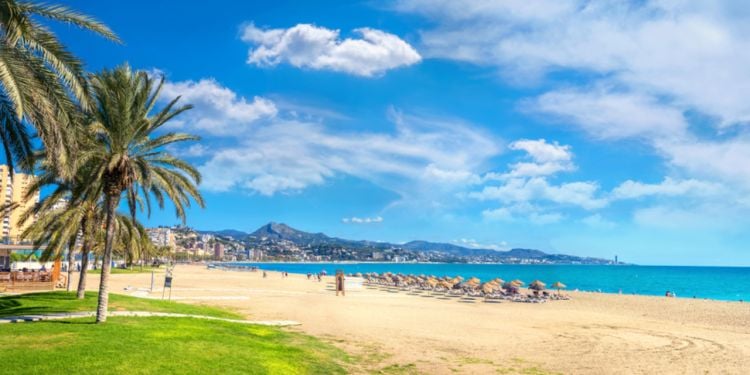
Malaga's coastline stretches for 14 kilometres, offering numerous beaches from the urban Playa de la Malagueta to the traditional fishing beach of El Palo. Water sports including paddleboarding, kayaking, and sailing are popular throughout the year. The nearby Montes de Malaga Natural Park provides hiking and mountain biking trails just 30 minutes from the centre. Golf enthusiasts have access to over 70 courses along the Costa del Sol.
Nightlife and Festivals
The historic centre and Soho district come alive after dark, with tapas bars, rooftop terraces, and clubs catering to all tastes. The annual Feria de Malaga in August transforms the city for a week of flamenco, music, and celebration. Semana Santa (Easter Week) brings elaborate religious processions, while the Malaga Film Festival in March attracts international stars.
Sources: Malaga Tourism, Museo Picasso Malaga
Daily Life in Malaga: Getting Around and Living Well
Daily life in Malaga moves at a distinctly Mediterranean pace. Locals embrace outdoor living, long lunches, and late dinners, with the city truly coming alive during evening hours. The compact centre makes car-free living entirely practical, while efficient public transport connects outlying neighbourhoods and coastal towns.
Public Transportation
The EMT Malaga bus network operates over 47 routes covering the city and surrounding areas. A single ticket costs €1.40, while a monthly pass is available for approximately €20. The Metro de Malaga runs two lines connecting western suburbs to the centre, with tickets integrated into the regional transport card system. Cercanías commuter trains link Malaga to coastal towns including Fuengirola and Torremolinos, with tickets from €1.80 depending on distance. The city is highly walkable, and dedicated cycle lanes encourage bicycle use, particularly along the seafront.
Lifestyle and Cultural Habits
Spanish mealtimes differ significantly from Northern European or North American norms. Lunch (almuerzo) typically falls between 2:00 and 4:00 PM and remains the main meal of the day, while dinner rarely begins before 9:00 PM. Many shops close during the afternoon siesta period, though this practice is less common in tourist areas. Tapas culture thrives here – locals gather at bars to share small plates and conversation, particularly during the evening paseo (stroll). The city maintains a strong sense of community, with neighbourhood festivals (ferias) bringing residents together throughout the year.
Sources: EMT Malaga, Metro de Malaga
Cost of Living in Malaga: Budgeting Your New Life
Malaga offers a notably affordable lifestyle compared to other Western European cities, though costs have risen in recent years alongside the city's growing popularity. Careful budgeting allows for comfortable living, with significant savings possible through local shopping habits and public transport use.
Monthly Budget for a Single Person
The following table outlines typical monthly expenses for a single person living in Malaga:
Expense Category | Monthly Cost | Notes |
Rent (1-bedroom, centre) | €1,100 | €880 outside centre |
Utilities | €120 | Electricity, water, gas |
Internet + Mobile | €37 | Fibre + 10GB data |
Groceries | €250 | Local markets cheaper |
Transport | €20 | Monthly bus pass |
Dining/Entertainment | €200 | Variable |
Total (Single Person) | €1,727 | Moderate lifestyle |
Monthly Budget for a Family of Four
Expense Category | Monthly Cost | Notes |
Rent (3-bedroom) | €1,600 | Family-friendly area |
Utilities | €180 | Larger apartment |
Internet + Mobiles | €60 | Family plan |
Groceries | €500 | Family of four |
Transport | €60 | Multiple passes |
International School (1 child) | €700 | Average tuition |
Health Insurance | €300 | Private family cover |
Entertainment/Activities | €300 | Variable |
Total (Family of 4) | €3,700 | Comfortable lifestyle |
Sources: Numbeo, Expatistan
In Short
Malaga offers a compelling package for anyone considering life in Southern Spain. The city combines Mediterranean sunshine with genuine economic opportunity, particularly in its thriving technology sector. Affordable living costs, excellent transport links, and over 40 museums make daily life both practical and enriching. Whether you're drawn by career prospects at Malaga TechPark, seeking quality international education for your children, or planning a retirement filled with culture and coastal living, this transformed Andalusian capital delivers on multiple fronts. The welcoming expatriate community and relaxed local lifestyle ease the transition to Spanish life.
Ready to take the next step? Connect with fellow expatriates and get personalised advice on the Expat.com Malaga Forum, where experienced residents share insights on everything from neighbourhood choices to navigating Spanish bureaucracy.
We do our best to provide accurate and up to date information. However, if you have noticed any inaccuracies in this content, please contact us.


Essential services for your expat journey