

Living in China: the ultimate expat guide
Everything you need to know for a successful life in China.
China has become one of the most fascinating and dynamic destinations for expats. As the world's second-largest economy and a country with a history stretching back thousands of years, it offers an extraordinary blend of tradition and innovation. From the buzzing metropolises of Shanghai and Shenzhen to the scenic landscapes of Yunnan and Guilin, China provides a unique lifestyle experience for anyone calling the country home.
Five compelling reasons to live in China
Thriving economy and job opportunities: China's rapid economic growth continues to attract global talent, especially in technology, manufacturing, finance and education.
Rich cultural heritage: With centuries of art, philosophy and architecture, China offers a cultural depth that few countries can rival.
Affordable cost of living: Despite the growth of its major cities, many parts of China remain remarkably affordable for housing, dining and daily living.
Efficient public transport: China's extensive high-speed rail network and modern metro systems make it easy to explore the country without owning a car.
Safety and low crime rate: Urban areas are generally very safe, even late at night, making it a comfortable environment for expats and families.
Facts & figures
Population | 1.4 billion |
Expat population | 1.4 million |
Most common non-Chinese nationalities | South Korean, American, Japanese |
Average annual salary (public sector jobs) | ¥124,110 |
Data correct as of October 2025
Sources: Worldometer, IPMI Global, Chinese National Bureau of Statistics
Formalities and visas in China
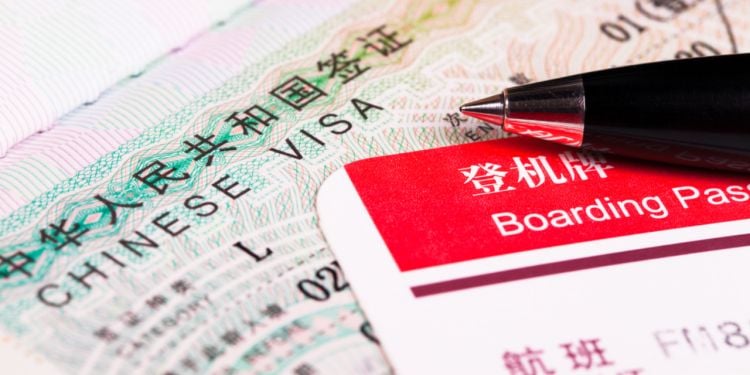
Moving to China requires navigating a specific set of immigration procedures, as nearly all foreign nationals, regardless of their origin, must secure the appropriate visa before arrival for any long-term stay. The type of visa you need is strictly determined by the purpose of your trip—be it employment, academic study, or joining family. The most common visa for expatriates planning to live and work in the country is the Z-Visa, which is mandatory for employment. Once you enter China, this initial visa must be converted into a Residence Permit through the local Public Security Bureau (PSB) within 30 days of arrival to legalize your stay and allow for multiple entries. The Residence Permit is the primary document that validates your legal status in China.
Tips:
- Have all non-Chinese documents, such as diplomas or police checks, notarized, authenticated, and legalized by your home government and the Chinese embassy or consulate.
- Register your address with the local police station (PSB) within 24 hours of moving in (some cities allow up to 72 hours).
- Be prepared to provide fingerprints and photographs when applying for your residence permit.
Source:
National Immigration Administration of China
🔍To learn more
Professional visas for China
Getting a professional visa for China — especially a work visa — has never been ...

Short term visas for China
Ready to visit China? This big and versatile country offers a lot to see and experience: from ...

Getting married in China
If you've lived in China for a while and are planning your life in the country, you may be considering getting married here. However, before you ...
Working in China
The labor market in China is vast and diverse, offering great potential for qualified professionals. English teaching remains the largest sector for expats, but opportunities in finance, IT, marketing, design and manufacturing have expanded rapidly. To work legally, you’ll need both a work permit and a Z visa, typically sponsored by your employer. Salaries vary widely depending on location and sector, but benefits often include housing allowances, insurance and annual flights home.
In-demand jobs
- IT specialists (AI, cloud computing, software engineers)
- English teachers with certified qualifications (TESOL/TEFL)
- Digital marketing professionals (social media marketing managers, SEO specialists)
- Professionals in trade, marketing and finance
Tips:
- While not always mandatory, proficiency in Mandarin can significantly enhance your employability and ease of integration into the workplace and daily life.
- Use platforms like LinkedIn and WeChat to connect with professionals and potential employers. Attending industry events and joining expat communities can also provide valuable opportunities.
- Always thoroughly review your employment contract. Ensure that your employer provides the necessary legal work authorization and that all terms are clearly outlined.
Facts & figures
Unemployment rate | 5.3% |
Youth unemployment rate (16 to 24) | 18.9% |
Average monthly salary | ¥22,053 |
Data correct as of October 2025
Sources: Trading Economics - unemployment rate, Trading Economics - youth unemployment rate, MSA Advisory
🔍To learn more

Finding work in China
China continues to be an attractive destination for new and experienced professionals from around ...

The labour market in China
China is an attractive destination for those seeking new professional and business opportunities. ...

Setting up a business in China
As the world's second economy, China attracts a lot of entrepreneurs and investors. However, ...
Studying in China
China is a popular destination for international students, offering a unique combination of affordable tuition, rich cultural experiences and cutting-edge research opportunities. The country's rapid development and global influence also provide students with valuable networking and career prospects.
Why study in China?
China hosts several universities ranked among the world's best, such as Tsinghua, Peking, and Fudan University. The government offers generous scholarships to attract international students, and degrees are increasingly taught in English. Tuition fees typically range from RMB 20,000 to 60,000 per year (USD 2,800–8,500), depending on the institution and program. Living costs are reasonable, especially outside Beijing and Shanghai.
Tips:
- Apply early to study in China — universities often require your application six months before the start date.
- Student visas (X1 or X2) must be obtained before entry and extended for long-term study.
- Universities often provide dormitories, but private rentals are also available.

Study in China
China offers opportunities not only for seasoned professionals and businessmen but also those wishing to acquire new skills. In fact, if you want to ...
Finance and banks in China
China’s banking system is modern and digital-friendly. Opening a local bank account is a necessary step but can be complex. The standard requirements are your valid passport, a valid visa or residence permit, proof of address, and, crucially, an active local Chinese mobile number. While the process itself is straightforward, be prepared for potential delays due to strict Know Your Customer (KYC) policies, varying rules between branches, and possible language barriers.
The largest banks, such as the Bank of China (BOC), the Industrial and Commercial Bank of China (ICBC) and the China Construction Bank (CCB), are some of the good options for expats, as they are accustomed to handling the required international documentation. Among the many popular banks for expats in China are digital-only financial institutions that often have streamlined processes and cheaper fees.
Tips:
- Activate mobile payment platforms like WeChat Pay and Alipay using a Chinese bank card.
- Monitor currency regulations and prepare documentation when transferring large sums abroad.
- Report your worldwide income if you are a tax resident (staying 183+ days a year).
🔍To learn more


Healthcare in China
There is a dual public-private healthcare system in China. Public hospitals are affordable and widespread, but language barriers and long wait times can be challenges. Many expats prefer private or international clinics, especially for routine care. Regional differences can be significant, with services in major cities far more advanced than in smaller towns or rural areas.
What you need to know:
- For emergencies, dial 120 (ambulance) or 110 (police).
- Major cities have international hospitals with English-speaking staff.
- Basic consultations are inexpensive, but private care and imported medicines can be costly.
- Consider comprehensive international health insurance before arrival.
Sources:
National Health Commission – China
World Health Organization (WHO) - China
🔍To learn more

The healthcare system in China
As excited as you may be about your upcoming move to China, safety comes first. Take the time to ...

Accidents and emergencies in China
China is generally a very safe country to travel to. Most expats living in China don't have to ...

Pregnancy in China
Having a baby in a foreign country takes planning. Knowing your options as an expat in China and ...
Education and schools in China
For families, China offers a mix of public, private and international schools. Public schools are inexpensive but require strong Mandarin skills. International schools, often following British, American, or IB curricula, are popular among expats. Many schools also provide bilingual programs, helping children maintain both their home language and Mandarin. School campuses often include modern facilities, from science labs to sports fields, creating a well-rounded environment for students.
Tips:
- International schools in major cities have waiting lists—apply early.
- Check if your employer offers tuition support; international fees can exceed USD 20,000 annually.
- Extracurricular activities (music, coding, sports) are highly valued and widely available.
- Verify each school's accreditation and language of instruction.
Sources:
Accommodation in China
From high-rise apartments in Shanghai to traditional courtyard homes in Beijing, there is a wide variety of accommodation in China to match different lifestyles. Renting is the most common option for expats. The standard lease is one year, and you'll usually need to pay a two-month deposit plus the first month's rent in advance. Most leases are signed in Chinese, so consider having a bilingual agent review them.
For those considering buying property, foreign ownership is possible but more restricted than in many Western countries. You generally must have worked or studied in China for at least one year, and the property must be used for personal residence, not commercial purposes. Real estate in China can offer good long-term investment potential, especially in growing cities.
Tips:
- Use a reputable agency to avoid scams and ensure legal compliance.
- Consider additional costs like utilities, management fees, and maintenance, which may not be included in the advertised rent.
- Inspect the property carefully before signing the lease to avoid issues with furniture or appliances.
- If purchasing, be aware of taxes and fees, including deed tax and maintenance fund contributions, which can add several percent to the total cost.
Source:

Accommodation in China
One of the first things you will need to do once you've arrived in China is to find a place to live. Renting an apartment in China is not ...
Planning your move to China
A successful relocation begins with preparation. Bureaucracy can be detailed, so start early. Understanding local regulations, housing options and healthcare requirements will save time and stress. Researching schools, neighborhoods and transportation networks in advance will also help you settle smoothly once you arrive.
Tips:
- Begin planning at least 6–12 months in advance for visa applications and documentation.
- Hire international movers familiar with Chinese customs rules.
- Check import regulations for restricted items like electronics or food products.
- Keep copies of all essential paperwork, both digitally and on paper.
- Make sure all key documents (birth certificates, degrees, police checks) are notarized and translated into Chinese.
- Confirm your accommodation and lease terms before arrival.
- Arrange international health insurance to cover the transition period.
Sources:
FIDI - International Federation of International Movers
Customs Administration - China
🔍To learn more

Relocating to China
Moving to a foreign country is both exciting and challenging. You will have a lot to learn and a ...

Moving with your pet to China
When considering a move to China, you may want to bring along more than a few suitcases. If you ...

Customs regulations in China
Before zipping up your suitcase and heading to the airport, make sure that what you have in it can ...
Leisure in China
From exploring ancient temples to hiking along the Great Wall, China offers endless ways to enjoy your time off. Its vast landscapes and diverse regions mean there is always something new to discover, from quiet countryside villages to bustling urban centers. You can also join guided cultural tours or local hobby groups to meet people and deepen your understanding of Chinese traditions.
Outdoor enthusiasts will love the karst mountains of Guilin, the deserts of Gansu and the snowy peaks of Sichuan. City dwellers can enjoy art districts, museums and world-class dining scenes. Festivals like Chinese New Year and the Mid-Autumn Festival are popular celebrations and a great way to connect with locals.
How to get your sport on in China
You'll find an abundance of gyms and sports clubs, especially in major cities. You’ll find options for yoga, swimming, badminton, and martial arts. Many parks also host morning tai chi sessions—an excellent, social way to stay active.
Source:
China National Tourism Administration
🔍To learn more

Learning Chinese as an expat in China
When considering a move to a foreign country, the question of whether you should learn the language ...

Leisure activities in China
China is an East Asian country you will enjoy exploring. From stunning natural landscapes and ...

Food in China
Chinese cuisine is one of the most popular cuisines in the world, and its dishes frequently make ...
Everyday life in China
China’s daily life blends modern convenience with traditional values. Punctuality is valued in business settings, and showing respect to elders and hierarchy is important. From vibrant cities to tranquil countryside, expats discover a lifestyle that is both lively and rich in cultural experiences. China is generally very safe, and crime rates are low, especially in urban areas. Public transport is efficient, clean, and inexpensive, with subways and high-speed trains connecting almost every major region.
Local habits & customs
Greetings: A nod or light handshake is typical. Avoid overly firm grips.
Dining: Sharing dishes is the norm; never stick chopsticks upright in rice—it’s a cultural taboo.
Communication: Directness is rare; subtlety and politeness are key.
Cashless living: Almost all payments are done via smartphone apps.
🔍To learn more

Getting around China
China is the world's 4th largest country covering an area of over 9.597 million square kilometers. But despite the country's impressive size, ...

Connecting to the internet in China
When you move to a foreign country, one of the first things you will need to secure is a reliable ...

Using phones in China
The first thing you will need in China is your phone. There are over 1.2 billion active mobile ...
Cost of living in China
The cost of living varies widely. Shanghai and Beijing are pricey by Chinese standards, but smaller cities remain highly affordable. Here is a quick look at some of the costs you can expect to pay as an expat living in China.
Monthly expenses
Category | Single expat (per month) | Family of four (per month) |
Average total expenses | ¥3,699 | ¥13,280 |
Rent (city centers) | ¥1,500 to ¥7,000 | ¥3,000 to ¥16,400 |
Rent (outside city centers) | ¥1,000 to ¥4,000 | ¥2,000 to ¥8,400 |
Utilities (electricity, heating, water) | ¥360 | ¥400 to ¥750 |
Data correct as of October 2025
Sources: Numbeo, MSA Advisory
The essentials to remember
Moving to China is more than a change of scenery—it’s an invitation to experience one of the world’s most complex and captivating societies. Learn some Mandarin, explore local traditions, and stay open to cultural differences. Join expat communities, use local apps, remain curious and check out our informative guides about living in China. They cover such topics as healthcare, jobs, accommodation and leisure time. If you have any burning questions about your forthcoming move, feel free to ask other members on our China forum.
Get ready to discover, embrace, and enjoy your new life in China.
We do our best to provide accurate and up to date information. However, if you have noticed any inaccuracies in this content, please contact us.


News & testimonies

China launches new visa to attract foreign tech talent
It's no longer just tariffs fueling tensions between China and the United States. As the latest round of Trump's retaliatory measures takes effect on November 1, a new front has opened: the global competition for talent. Both nations are now racing to attract the world's brightest minds, and China's latest move in this contest is the launch of a new “tech talent visa.”

China's economic reforms: A new era for foreign investors and workers
China is now widely opening its doors to foreign businesses in a decisive shift from its zero-COVID policy. The latest reform is part of a massive "modernization project", a term central to the Chinese government's strategy. The target year is 2029, which will mark the 80th anniversary of the founding of the People's Republic of China. Here's an in-depth look.

Immigration in China amid expat departures and economic challenges
Caught in an unprecedented housing crisis, China's economic growth is stumbling. The shift from the Covid zero policy hasn't resulted in a significant economic rebound or a widespread return of expatriates as expected. On the contrary, the situation is becoming more challenging.

From visas to security: China's strategy to attract and reassure expatriates
Faced with an anti-espionage law that worries expatriates, China is relaxing its business visa rules for foreigners conducting business activities in the country. Other measures have been introduced to make it easier to obtain certain visas and residence permits. Here's how it works.
Essential services for your expat journey



