

Living in Cork: the ultimate expat guide
Everything you need to know for a successful life in Cork.
Cork is Ireland's second-largest city, located on the southwest coast where the River Lee meets the sea. Known locally as the "Real Capital", Cork combines urban energy with a relaxed, welcoming atmosphere that appeals to newcomers from around the world. The city serves as a hub for pharmaceutical manufacturing, technology, and financial services, drawing professionals seeking career opportunities in thriving industries. With a metropolitan population of approximately 400,000, Cork offers big-city amenities while maintaining a manageable scale and strong community spirit.
Why Cork Stands Out for Newcomers
Cork's compact city center makes daily life convenient, with most destinations reachable on foot or by a short bus ride. The surrounding county offers stunning coastline, historic towns like Kinsale and Cobh, and easy access to the Wild Atlantic Way. The city has been selected by the European Commission as one of 100 Climate-Neutral Cities by 2030, reflecting its commitment to sustainable development.
5 Good Reasons to Move to Cork
- Thriving job market – Home to 7 of the world's top 15 pharmaceutical companies and major tech employers.
- More affordable than Dublin – Housing costs approximately 20% less than the capital.
- Quality of life – Access to beaches, countryside, and cultural events within minutes.
- Strong education system – University College Cork ranks among the world's top universities.
- Welcoming community – Cork's friendly locals and active social scene make integration easier.
Building Your Career in Cork
Cork's economy is powered by multinational corporations in pharmaceuticals, medical devices, technology, and financial services. The city hosts over 14,100 jobs in the pharmaceutical and medical device sector alone, with companies like Pfizer, Johnson & Johnson, Apple, and Dell maintaining significant operations. Recent expansions include AbbVie's €60 million investment and Hovione's new positions in Ringaskiddy.
Employment Landscape and Opportunities
Ireland's national unemployment rate stood at approximately 5% in late 2025, with Cork benefiting from strong demand in specialized sectors. The Critical Skills Employment Permit fast-tracks entry for professionals in shortage occupations, including IT specialists, engineers, and healthcare workers. Permit holders can apply for permanent residency after 21 months. Since September 2024, workers on Critical Skills permits can change employers after just 9 months.
Key Employment Indicators
National Unemployment Rate | ~5% (October 2025) |
Average Weekly Earnings (Ireland) | €1,015 (Q2 2025) |
Average Monthly Net Salary (Cork) | ~€2,836 |
Key Sectors | Pharma, IT, Medical Devices, Finance |
Sources: Central Statistics Office Ireland, Numbeo
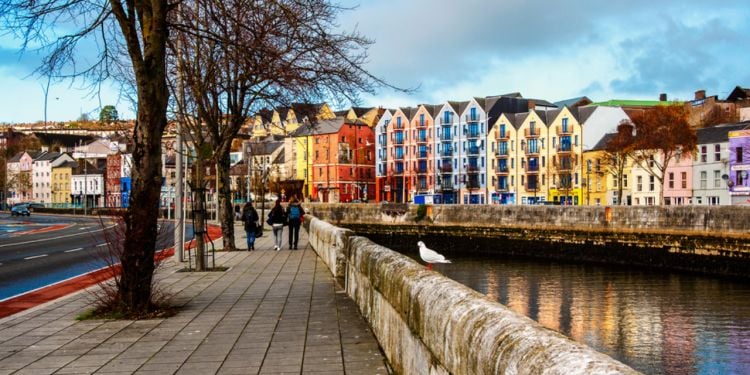
Work in Cork
Cork, located along the southern coast, and just 2.5 hours from Dublin, is the biggest county in Ireland in terms of size, which is why a lot of ...
Higher Education and University Life
Cork is home to University College Cork (UCC), one of Ireland's leading research universities with a global reputation for excellence. Founded in 1845, UCC welcomes over 24,000 students, including 4,000+ international students from more than 138 countries. The university ranks #246 globally (QS World Rankings 2026) and achieved the world's first Green Flag certification for environmental sustainability.
Academic Programs and Tuition
UCC offers comprehensive programs in Business, Medicine, Engineering, Law, and Data Science. International undergraduate tuition ranges from €16,080 to €50,000 per year depending on the program, with Medicine at the higher end. Postgraduate fees range from approximately €9,500 to €25,500 annually. The university provides merit-based scholarships offering up to 20% fee reduction for high-achieving students.
Other Institutions
Munster Technological University (MTU) offers practical, career-focused programs in technology, business, and creative arts. Both institutions maintain strong industry connections, with 94% of UCC graduates employed or in further study within nine months. The main academic year runs from September to May, with application deadlines typically in January for autumn entry.
Sources: University College Cork, Munster Technological University
Education Options for Families with Children
Ireland provides free primary and secondary education in state schools for all residents. The academic year runs from September to June, with children starting primary school at age 4-5 (Junior Infants) and completing secondary education around age 17-18 with the Leaving Certificate examination, equivalent to A-levels or the high school diploma.
International and Private Schools
The International School of Cork offers the International Baccalaureate (IB) curriculum from Kindergarten through Grade 12, serving families seeking globally recognized qualifications. Annual tuition at international schools in Ireland typically ranges from €6,000 to €15,000 for primary levels. Private fee-paying secondary schools like Bandon Grammar School charge approximately €4,400-€5,000 per year for day students, with boarding options available at higher rates.
Enrollment Tips
School places can be competitive, particularly in popular areas like Douglas and Bishopstown. Parents should contact schools directly well in advance—ideally 6-12 months before the intended start date. Many schools require proof of address in the catchment area. Gaelscoileanna (Irish-medium schools) offer immersive education for families interested in bilingual learning.
Sources: International School of Cork, Citizens Information Ireland
Finding Your Home in Cork
Cork's rental market is competitive, reflecting nationwide housing pressures. Average rents have risen significantly, though prices remain approximately 20% lower than Dublin. Most rentals are furnished and typically require a one-month deposit plus one month's rent in advance. Popular property search platforms include Daft.ie, Rent.ie, and MyHome.ie.
Rental Costs by Area
A one-bedroom apartment in Cork city center averages around €1,580 per month, while the same outside the center costs approximately €1,330. A three-bedroom apartment ranges from €2,300 in suburban areas to €2,750 in central locations. Neighborhoods like Bishopstown in the city's west recorded average rents around €2,040 in 2025.
Popular Neighborhoods for Newcomers
Douglas offers a village atmosphere with excellent schools, shopping centers, and a popular farmers' market—ideal for families seeking suburban comfort close to the city. Bishopstown provides good value with spacious 1970s housing stock and proximity to UCC and Cork University Hospital. Blackrock features waterside views along the River Lee and a strong community spirit. Ballincollig, a growing town west of the city, offers more space for the money and good schools, with the proposed Luas line set to improve connectivity.
1-bed apartment (city center) | ~€1,580/month |
1-bed apartment (outside center) | ~€1,330/month |
3-bed apartment (city center) | ~€2,750/month |
3-bed apartment (outside center) | ~€2,300/month |
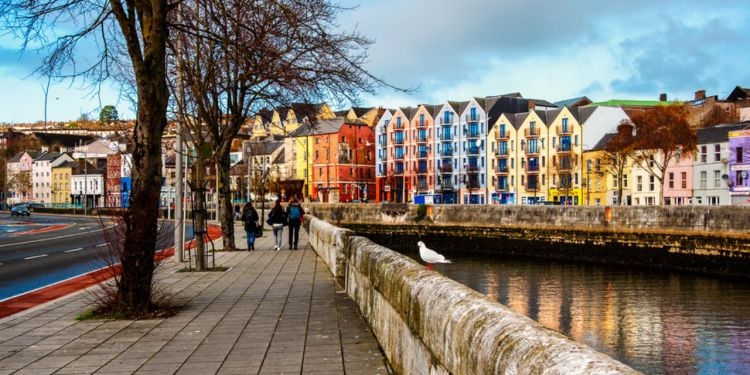
Accommodation in Cork
Cork, located along the southern coast of Ireland, is the biggest county in Ireland in terms of size, which is why a lot of locals like to refer to ...
Culture, Leisure and Things to Do
Cork's cultural scene punches well above its weight, with festivals, live music, and a thriving food culture throughout the year. The city's compact size means entertainment options are always close at hand, from traditional pubs to world-class galleries.
Museums and Cultural Attractions
The Crawford Art Gallery showcases Irish and international art in a stunning 18th-century building—entry is free. Cork City Gaol offers an immersive audio tour through the city's Victorian prison history. The Cork Public Museum in Fitzgerald Park traces the region's story from medieval times through the Irish independence struggle. For science enthusiasts, Blackrock Castle Observatory combines a 16th-century watchtower with a modern planetarium.
Food, Festivals and Nightlife
Cork's reputation as Ireland's food capital centers on the English Market, a covered food hall dating to 1788 featuring local cheeses, fresh seafood, and artisan produce. The Cork International Choral Festival (April-May), Cork Jazz Festival (October), and Cork Film Festival (November) attract international visitors. Patrick Street and the surrounding lanes offer pubs with live traditional music, while MacCurtain Street has emerged as a hub for craft cocktails and independent restaurants. Sports fans can catch GAA hurling and football matches at Páirc Uí Chaoimh or support Munster Rugby.
Outdoor Activities
Fitzgerald Park provides green space minutes from the city center, while Fota Wildlife Park offers a family-friendly safari experience. Day trips to Cobh (Titanic's last port of call), Kinsale (historic harbor town), and the Ring of Kerry are easily accessible.
Sources: Pure Cork Tourism, Cork City Council
Everyday Life and Getting Around
Cork's compact size makes daily life manageable, with most city-center errands achievable on foot. The climate is mild and maritime, with temperatures rarely dropping below freezing or exceeding 20°C (68°F). Rain is frequent—locals joke that Cork has "four seasons in one day"—so waterproof clothing is essential year-round.
Public Transportation
Bus Éireann operates 35+ routes across Cork city and suburbs, with a one-way ticket costing around €2.00 and monthly passes approximately €86. The Leap Card offers discounted fares and will soon support 90-minute transfers between city buses. A major Luas light rail project is underway, with an 18km line planned from Ballincollig to Mahon Point featuring up to 25 stops—services every 6 minutes are expected by the 2030s. Suburban rail connects Cork to Cobh, Midleton, and Mallow via Kent Station.
Daily Practicalities
Grocery shopping is straightforward, with Aldi, Lidl, Tesco, and SuperValu offering competitive prices. The famous English Market in the city center sells fresh local produce, artisan cheeses, and seafood. Utilities (electricity, heating, water, garbage) for a standard apartment average around €210 per month. Mobile phone plans with 10GB+ data cost approximately €19 monthly, while broadband runs around €43.
Sources: Transport for Ireland, Numbeo
Managing Your Monthly Budget
Cork is more affordable than Dublin but remains among Ireland's more expensive cities. Planning your budget carefully will help you settle comfortably. The tables below provide realistic monthly estimates based on current data.
Monthly Budget for a Single Person
The following estimates assume a modest lifestyle with a city-center apartment, regular use of public transport, and home-cooked meals supplemented by occasional dining out.
Category | Low Estimate | High Estimate |
Rent (1-bed, center) | €1,200 | €2,000 |
Utilities | €150 | €250 |
Groceries | €250 | €350 |
Transport | €70 | €100 |
Health Insurance | €80 | €150 |
Leisure/Miscellaneous | €150 | €300 |
Total | €1,900 | €3,150 |
Monthly Budget for a Family of Four
This estimate includes a three-bedroom rental, school-related costs, and family activities.
Category | Low Estimate | High Estimate |
Rent (3-bed, suburb) | €1,800 | €3,000 |
Utilities | €200 | €350 |
Groceries | €600 | €900 |
Transport (family) | €150 | €300 |
Childcare/School Fees | €0 (public) | €1,200 |
Health Insurance | €200 | €400 |
Leisure/Miscellaneous | €300 | €500 |
Total | €3,250 | €6,650 |
Sources: Numbeo, Central Statistics Office
In Short
Cork offers a compelling combination of career opportunities, quality education, and an enviable lifestyle. The city's pharmaceutical and tech sectors provide strong employment prospects, while University College Cork delivers world-class higher education. Although housing is competitive, neighborhoods like Douglas, Bishopstown, and Blackrock offer welcoming communities for families and professionals alike. The upcoming Luas light rail will further enhance connectivity, cementing Cork's position as Ireland's fastest-growing city. With its famous food scene, rich cultural calendar, and easy access to stunning coastline, Cork rewards those who choose to call it home. Connect with others making the same journey on the Expat.com Cork forum—a supportive community ready to share advice and friendship.
We do our best to provide accurate and up to date information. However, if you have noticed any inaccuracies in this content, please contact us.


Essential services for your expat journey