

Living in Yokohama: the ultimate expat guide
Everything you need to know for a successful life in Yokohama.
Yokohama stands as Japan's second-largest city with a population of 3.8 million residents, positioned just 30 minutes south of Tokyo on the shores of Tokyo Bay. As Japan's first major port to open to international trade in 1859, Yokohama has cultivated a uniquely cosmopolitan character that continues to attract expatriates from around the globe. Today, over 121,000 foreign nationals call Yokohama home, representing 3.2% of the city's population.
A City Built for International Living
The city seamlessly blends traditional Japanese culture with Western influences, offering tree-lined boulevards, historic Western-style architecture, and one of Asia's largest Chinatowns. Major corporations including Nissan and Isuzu maintain their headquarters here, creating diverse employment opportunities within the broader Keihin Industrial Zone.
5 Good Reasons to Move to Yokohama
- Lower cost of living than Tokyo with comparable urban amenities and job opportunities.
- Excellent international infrastructure including established international schools, bilingual services, and a multilingual resident help desk.
- World-class public transportation connecting seamlessly to Tokyo, Haneda Airport (20 minutes), and the Shinkansen network.
- Waterfront lifestyle with spacious parks, scenic bay views, and more breathing room than central Tokyo.
- Rich cultural scene featuring museums, diverse cuisine, and historic neighborhoods with international heritage.
Working in Yokohama: Career Opportunities in a Thriving Economy
Yokohama offers a robust job market within Japan's largest metropolitan economy. The city serves as the commercial hub of Kanagawa Prefecture and hosts headquarters for major multinational corporations. With competitive salaries and lower living costs than Tokyo, Yokohama presents an attractive option for professionals seeking career advancement in Japan.
Key Industries and Employment Sectors
The local economy thrives on automotive manufacturing, with Nissan and Isuzu based here, along with biotechnology, semiconductors, and shipping. The Minato Mirai 21 business district houses numerous international firms, while the Keihin Industrial Zone supports heavy manufacturing and logistics. Finance, IT services, and creative industries also maintain strong presences, particularly around Yokohama Station.
Work Permits and Employment Requirements
Foreign nationals require a valid work visa sponsored by a Japanese employer. The most common categories include the Engineer/Specialist in Humanities visa for professionals and the Highly Skilled Professional visa for those meeting point-based criteria. The application process typically takes 1-3 months and requires a Certificate of Eligibility (COE) issued by immigration authorities. Japan also offers Working Holiday visas for citizens of 30 partner countries aged 18-30.
The following table summarizes key employment indicators for Yokohama:
Average monthly salary | ¥566,000 (approximately USD 3,600) |
National unemployment rate | 2.6% (2024) |
Minimum hourly wage (Kanagawa) | ¥1,112 |
Sources: Statistics Bureau of Japan, Ministry of Health, Labour and Welfare
Working in Yokohama
Yokohama is the second largest city in Japan after the capital, Tokyo. It is also the capital of Kanagawa Prefecture, has a population of more than ...
Universities and Higher Education in Yokohama
Yokohama hosts a diverse range of universities offering programs for international students. With over 12 institutions of higher learning, the city provides pathways in business, engineering, sciences, and humanities, many with English-taught curricula designed for global students.
Leading Universities for International Students
Yokohama National University (YNU) is the city's flagship public institution, enrolling approximately 9,400 students including 800 international students from 70 countries. YNU maintains exchange agreements with over 140 universities worldwide and offers English-taught programs in economics, business administration, and engineering. Annual tuition for international students is approximately ¥535,800.
Yokohama City University serves over 5,000 students and specializes in medicine, international studies, and data science. Kanagawa University offers programs in social sciences and business management with competitive tuition starting around ¥535,800 for graduate programs.
Tuition and Admission Requirements
Undergraduate tuition at Yokohama universities ranges from ¥306,000 to ¥1,900,000 annually, while graduate programs cost between ¥440,000 and ¥1,000,000 per year. Admission typically requires Japanese language proficiency (JLPT N2 or higher) for Japanese-taught programs, or TOEFL/IELTS scores for English programs. Most universities accept applications through the EJU (Examination for Japanese University Admission).
Sources: Yokohama National University, Yokohama City University
Schools for Expat Children in Yokohama
Yokohama offers excellent educational options for expatriate families, from prestigious international schools to Japanese public institutions. The city's long history as an international port has fostered a supportive environment for foreign students at all levels.
International Schools
Yokohama International School (YIS) is one of Japan's oldest and most respected international institutions, founded in 1924. Located in Naka-ku, YIS offers the complete International Baccalaureate (IB) curriculum from early learning through the Diploma Programme. The school enrolls over 750 students representing 50+ nationalities. Annual tuition ranges from approximately ¥2,200,000 to ¥2,700,000 depending on grade level, plus registration and campus development fees.
Saint Maur International School, Asia's oldest international school, provides Montessori education through IGCSE and IB Diploma programs. British International School in Yokohama (BISY) follows the English National Curriculum for preschool through primary levels with small class sizes.
Local and Bilingual Options
Japanese public schools are free for residents and provide excellent academic standards, though instruction is entirely in Japanese. Some families opt for bilingual programs or after-school language support. The Deutsche Schule Tokyo Yokohama serves German-speaking families with a curriculum leading to the Abitur. Enrollment in international schools typically requires applications well in advance due to waiting lists.
Sources: Yokohama International School, Saint Maur International School
Housing and Neighborhoods in Yokohama
Yokohama offers more space and lower rents than central Tokyo while maintaining excellent urban amenities. The city's neighborhoods range from modern high-rise districts to historic hillside communities with Western-style architecture, providing options for diverse lifestyles and budgets.
Popular Expat Neighborhoods
Yamate (The Bluff) has been home to foreign residents since the 1800s and remains a top choice for expatriate families. This leafy hillside district features Western-style homes, international schools, and historic parks. Minato Mirai 21 offers modern high-rise apartments with stunning bay views, shopping malls, and corporate offices. Motomachi-Chukagai combines fashionable shopping streets with Asia's largest Chinatown, appealing to those seeking vibrant urban living. Kannai serves as the cultural hub with diverse dining and nightlife, while Honmoku provides family-friendly streets with larger homes and gardens.
Rental Prices and Procedures
The following table shows average monthly rents in Yokohama:
1-bedroom apartment (city center) | ¥95,000–¥155,000 |
1-bedroom apartment (outside center) | ¥50,000–¥90,000 |
3-bedroom apartment (city center) | ¥130,000–¥250,000 |
3-bedroom apartment (outside center) | ¥90,000–¥150,000 |
Rental contracts typically require upfront costs including key money (reikin), security deposit (shikikin), and agency fees totaling 3-5 months' rent. Many landlords require a Japanese guarantor, though guarantor companies are available for foreigners.
Sources: Numbeo, City of Yokohama
Leisure, Culture, and Things to Do in Yokohama
Yokohama offers an exceptional variety of cultural experiences, outdoor activities, and entertainment options. From world-class museums to scenic waterfront parks, the city caters to diverse interests while maintaining its unique blend of Japanese and international character.
Museums and Cultural Attractions
The Cup Noodles Museum celebrates instant ramen with interactive exhibits and workshops where visitors create custom cup noodles. The Shin-Yokohama Ramen Museum recreates 1950s Tokyo streetscapes housing regional ramen restaurants. Sankeien Garden, a stunning 175,000 m² Japanese garden, features historic buildings relocated from Kyoto and Kamakura. The Yokohama Museum of Art showcases modern and contemporary works, while the Yokohama Port Museum traces the city's maritime heritage.
Parks, Recreation, and Nightlife
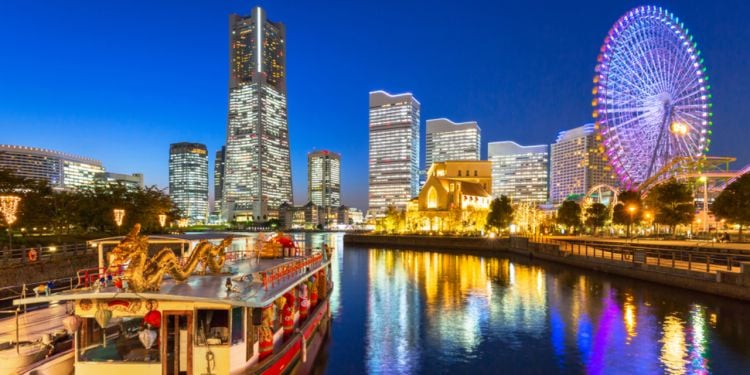
Yamashita Park stretches 750 meters along the waterfront, offering bay views, flower gardens, and the historic Hikawa Maru ship museum. Minato Mirai 21 features the iconic Cosmo Clock 21 Ferris wheel and the Landmark Tower Sky Garden observation deck at 296 meters. Yokohama Hakkeijima Sea Paradise combines one of Japan's largest aquariums with amusement park rides on an island in the bay.
For nightlife, the Noge district offers jazz bars and izakayas, while Kannai provides diverse restaurants and live music venues. Yokohama Chinatown, with over 200 shops and restaurants, is perfect for food lovers. Sports fans can catch the Yokohama DeNA BayStars at Yokohama Stadium or football matches at Nissan Stadium.
Daily Life in Yokohama
Life in Yokohama balances metropolitan convenience with a relaxed coastal atmosphere. The city offers efficient public transportation, safe neighborhoods, and a welcoming environment for international residents adjusting to Japanese daily routines.
Getting Around: Transportation Options
Yokohama's public transport network provides seamless connectivity throughout the city and to Tokyo. The Yokohama Municipal Subway operates two lines: the Blue Line connecting northern and southern districts through central Yokohama, and the Green Line serving eastern areas. A one-way subway ticket costs ¥210, while monthly passes range from ¥7,800 to ¥9,900. The Minatomirai Line links the waterfront to Tokyo via the Tokyu Toyoko Line, reaching Shibuya in about 30 minutes.
The Yokohama Subway and Bus One Day Pass costs ¥830 for unlimited municipal transport. Prepaid PASMO and Suica IC cards work across all trains and buses in the Greater Tokyo area.
Lifestyle and Cultural Considerations
Japanese daily life follows distinct rhythms, from punctual trains to neighborhood recycling schedules. Residents register at their local ward office within 14 days of moving, obtaining a residence card and My Number for accessing services. Healthcare is excellent with universal coverage through National Health Insurance. Shopping options range from department stores around Yokohama Station to local shotengai (shopping streets) and 24-hour convenience stores. The city's international character means English signage and services are more available than in many Japanese cities, with the Yokohama Foreign Residents Information Center offering multilingual support.
Cost of Living in Yokohama
Yokohama offers a cost of living approximately 5-20% lower than central Tokyo while providing comparable quality of life. Understanding typical expenses helps expatriates budget effectively for their move to Japan's second-largest city.
Monthly Budget for a Single Person
The following table outlines estimated monthly expenses for a single professional living in Yokohama:
Expense Category | Estimated Cost (JPY) | Estimated Cost (USD) |
Rent (1-bedroom, city center) | ¥119,000 | ~USD 760 |
Utilities (electricity, gas, water) | ¥20,650 | ~USD 130 |
Groceries | ¥40,000 | ~USD 255 |
Transportation (monthly pass) | ¥8,000 | ~USD 50 |
Mobile phone and internet | ¥8,600 | ~USD 55 |
Total (excluding leisure) | ¥196,250 | ~USD 1,250 |
Monthly Budget for a Family of Four
Expense Category | Estimated Cost (JPY) | Estimated Cost (USD) |
Rent (3-bedroom, city center) | ¥183,000 | ~USD 1,165 |
Utilities | ¥30,000 | ~USD 190 |
Groceries | ¥80,000 | ~USD 510 |
Transportation | ¥20,000 | ~USD 130 |
International school (one child) | ¥230,000 | ~USD 1,465 |
Mobile, internet, insurance | ¥25,000 | ~USD 160 |
Total | ¥568,000 | ~USD 3,620 |
Sources: Numbeo 2025, City of Yokohama
In Short
Yokohama combines big-city opportunity with a more relaxed pace of life than neighboring Tokyo. Its historic role as Japan's gateway to the world has created a welcoming environment for international residents, with established infrastructure including top international schools, multilingual services, and diverse expatriate communities across charming neighborhoods like Yamate and vibrant districts like Minato Mirai. Whether you're drawn by career opportunities in automotive or technology sectors, world-class education options, or simply the appeal of waterfront living in one of Asia's most cosmopolitan cities, Yokohama offers a high quality of life at a more accessible cost than the capital. Ready to start your Yokohama adventure? Connect with fellow expatriates, get local advice, and find answers to your questions on the Expat.com Yokohama forum.
We do our best to provide accurate and up to date information. However, if you have noticed any inaccuracies in this content, please contact us.


Essential services for your expat journey



