

Living in Shizuoka: the ultimate expat guide
Everything you need to know for a successful life in Shizuoka.
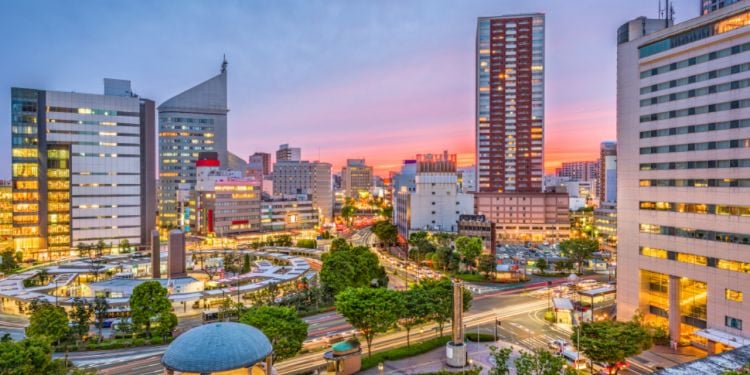
Shizuoka is a mid-sized Japanese city of approximately 700,000 residents located on the Pacific coast, roughly halfway between Tokyo and Nagoya. Often called the "Land of Fuji," this prefecture capital offers stunning views of Mount Fuji, Japan's iconic peak, combined with a relaxed lifestyle that contrasts sharply with the intensity of major metropolitan areas. The city enjoys a humid subtropical climate with mild winters, plenty of sunshine, and temperatures ranging from 2°C in winter to around 30°C in summer.
Shizuoka has deep historical roots dating back to the Nara Period (8th century) and was once the retirement home of Tokugawa Ieyasu, founder of the Tokugawa Shogunate. Today, it blends this rich heritage with modern amenities while maintaining a strong connection to nature through its tea plantations, coastal areas, and mountain landscapes. The city serves as the prefectural capital and an important economic hub for central Japan.
5 Good Reasons to Move to Shizuoka
- Affordable living – Cost of living is approximately 23% lower than Tokyo, with significantly reduced housing costs.
- Excellent accessibility – Only 60 minutes from Tokyo by Shinkansen, making business travel and weekend getaways convenient.
- Natural beauty – Daily views of Mount Fuji, access to beaches on Suruga Bay, and proximity to the Izu Peninsula hot springs.
- Quality of life – Ranked among Japan's most desirable prefectures for relocation, with clean air, mild climate, and less crowded streets.
- Strong economy – Home to globally recognized companies like Yamaha and Suzuki, with manufacturing output ranking 4th nationally.
Working in Shizuoka: Industries, Opportunities, and Work Permits
Shizuoka Prefecture boasts a robust economy with a GDP ranking 10th in Japan. The region is often called Japan's "Industrial Department Store" or "Microcosm of Japan" due to its diverse manufacturing base. The prefecture's strategic location between Tokyo and Nagoya, combined with excellent highway and rail connections, has attracted numerous multinational corporations.
Key Industries and Employment Sectors
Manufacturing dominates the local economy, with product shipments ranking 4th nationally. In the eastern region, industries focus on electrical machinery, paper and pulp, medical products, and transport equipment. The western area specializes in transport equipment, general machinery, chemicals, textiles, and cutting-edge optoelectronics. Central Shizuoka is known for electrical machinery, furniture, and fishery products. Major employers include automotive and motorcycle manufacturers, with 693 companies expanding their operations into Asian markets.
Work Visas and Employment for Foreign Nationals
Foreign nationals require a valid work visa to be employed in Japan. The most common category is the Engineer/Specialist in Humanities/International Services visa, suitable for IT professionals, engineers, translators, and language teachers. Employers must sponsor the visa application and obtain a Certificate of Eligibility (COE) from the Regional Immigration Services Bureau, a process taking 1-3 months. English teaching positions (ALT and Eikaiwa) are widely available, with approximately 140 English conversation schools in the prefecture.
The following table provides key employment indicators for Shizuoka:
Unemployment Rate (Japan) | 2.5% (2025) |
Average Monthly Salary (Shizuoka) | ¥350,000 (~USD 2,350) |
Major Employment Sectors | Manufacturing (26.9%), Services (73%) |
Sources: Numbeo, OECD, Study in Shizuoka
Finding a job in Shizuoka
Despite global challenges, Shizuoka, known for its agriculture, fish farming, and industries, has remained remarkably stable. This city is now ...
Universities and Higher Education in Shizuoka
Shizuoka Prefecture offers excellent higher education opportunities for international students, with several universities actively recruiting foreign talent. The combination of quality education, affordable living costs, and strong industry connections makes the region attractive for academic pursuits.
Major Universities for International Students
Shizuoka University is the leading national university in the prefecture, established in 1949, with campuses in both Shizuoka City and Hamamatsu City. The university hosts approximately 450 international students across six faculties and welcomes students from Asia, Europe, and the Americas. The Asia Bridge Program (ABP), launched in 2015, specifically targets students from India, Indonesia, Thailand, Vietnam, and Myanmar, offering intensive Japanese language courses and the opportunity to study alongside Japanese students. ABP students receive exemptions from examination fees, enrollment fees, and first-year tuition.
The University of Shizuoka is a leading public institution known for high-quality research and community engagement. International students benefit from counseling services, healthcare support, and Japanese language assistance. Shizuoka University of Art and Culture (SUAC) in Hamamatsu welcomes over 350 students annually and offers privately-funded international students a 30% reduction in tuition fees.
Tuition and Admission Requirements
International applicants typically need scores from the Examination for Japanese University Admission (EJU), English proficiency certification (TOEFL iBT, TOEIC, or IELTS Academic), and optionally, a JLPT certificate. Master's degree programs in informatics, science, engineering, and agriculture are available entirely in English. Scholarships include the Japanese Government (MEXT) Scholarship and JASSO's Scholarship for Privately-Financed International Students.
Shizuoka University (National) | ~¥535,800/year |
University of Shizuoka (Public) | ~¥535,800/year |
SUAC (Public, with 30% discount) | ~¥375,000/year |
Sources: Shizuoka University, SUAC, Study in Shizuoka
Schools and Education for Expat Children in Shizuoka
Families relocating to Shizuoka will find options for educating their children, though the international school landscape is more limited than in major cities like Tokyo. Understanding the Japanese education system and available alternatives is essential for planning your family's move.
Japanese Public Schools
In Japan, compulsory education covers six years of elementary school (ages 6-12) and three years of junior high school (ages 12-15). Public schools are assigned based on residential district and charge no tuition fees, though families must pay for textbooks, school meals, and supplies. Several public schools in Shizuoka Prefecture offer Japanese language support for children who don't speak the language. Support centers with interpreters are available at Shizuoka City Hall and E Stage Hamamatsu Office to assist foreign families with enrollment and adaptation.
International and Bilingual School Options
The primary international school option in the region is Katoh Gakuen, located in Numazu (approximately 45 minutes from Shizuoka City). This K-12 institution was Japan's first English immersion school and offers the International Baccalaureate (IB) Programme, including the Middle Years Programme and Diploma Programme authorized since 2000 and 2002 respectively. With approximately 600 students in the bilingual program, Katoh Gakuen develops full Japanese proficiency alongside native-like English skills. Annual tuition ranges from ¥590,000 (kindergarten) to ¥810,000 (secondary), with admission fees between ¥70,000 and ¥155,000.
Alternative Education Paths
Some high schools in Shizuoka Prefecture accept foreign students, including Susono Senior High School, Suruga Comprehensive Senior High School, and Hamamatsu East Senior High School. Students from foreign junior high schools must pass the Test of Lower Secondary School Graduation Certificate before applying to Japanese high schools. For students requiring English-medium education closer to Tokyo, options in the capital are accessible via the Shinkansen.
Katoh Gakuen (K-12, IB) | ¥590,000-¥810,000/year |
Private Kindergarten (monthly) | ~¥50,000/month |
International Primary School (Tokyo reference) | ¥1,380,000-¥1,740,000/year |
Sources: Katoh Gakuen, Numbeo, Shizuoka International Relations
Housing and Neighborhoods: Where to Live in Shizuoka
Finding accommodation in Shizuoka is considerably easier and more affordable than in Tokyo. The city offers a mix of modern apartments, traditional Japanese housing, and family homes, with rental prices approximately 230% lower than in Tokyo for equivalent properties.
Popular Neighborhoods for Expats
Aoi Ward is the administrative and commercial heart of Shizuoka, home to Shizuoka Station and the main shopping districts. This area offers excellent convenience with restaurants, shops, and cultural attractions within walking distance. Suruga Ward in the southern part of the city provides a more residential atmosphere with proximity to the coastline and Mount Kunozan. Shimizu Ward, the former independent city of Shimizu, features the bustling Shimizu Port area, fish markets, and a more local atmosphere. For families, areas near international schools in Numazu may be preferable, with train connections to Shizuoka City.
Rental Costs and Procedures
Renting in Japan typically requires paying key money (reikin) and a security deposit (shikikin), each usually equivalent to 1-2 months' rent. Many landlords also require a Japanese guarantor or enrollment in a guarantee company. Several real estate platforms like Apartment Japan and GaijinPot Apartments specialize in foreigner-friendly listings that may waive some traditional requirements. Furnished apartments are available but less common than in Western countries.
The table below shows typical rental prices in Shizuoka:
1-Bedroom (City Center) | ¥45,000-¥60,000/month |
1-Bedroom (Outside Center) | ~¥40,000/month |
3-Bedroom (City Center) | ~¥70,000/month |
3-Bedroom (Outside Center) | ~¥75,000/month |
Sources: Numbeo, Village House
Leisure, Culture, and Things to Do in Shizuoka
Shizuoka offers an exceptional blend of natural attractions, historical sites, and cultural experiences. Whether you prefer outdoor adventures, museum visits, or culinary exploration, the prefecture has something for everyone.
Natural Attractions and Outdoor Activities
Mount Fuji dominates the landscape and can be admired from numerous viewpoints throughout the prefecture. The Nihondaira Plateau offers panoramic views of the mountain alongside verdant tea fields and the Pacific Ocean, while Miho no Matsubara, a UNESCO World Heritage site, features 30,000 pine trees along the coast with Fuji as a backdrop. The Izu Peninsula provides hot spring resorts, beautiful beaches, and the dramatic Jogasaki Coast with its suspension bridge. Lake Hamana in the west offers water sports, cycling, and is famous for eel farming.
Historical and Cultural Sites
Sumpu Castle Park in central Shizuoka was the retirement residence of Tokugawa Ieyasu and features reconstructed turrets, traditional gardens, and the Momijiyama Japanese Garden. Kunozan Toshogu Shrine, accessible by ropeway from Nihondaira (¥600 one-way), is the original mausoleum of Ieyasu before Nikko. The Shizuoka City Museum of Art houses sculptures by Auguste Rodin, including The Thinker and The Gates of Hell. For family entertainment, S-Pulse Dream Plaza in Shimizu offers shopping, dining, a Ferris wheel, and Japan's first sushi museum.
Local Cuisine and Nightlife
Shizuoka's culinary scene celebrates local ingredients. Shizuoka-style oden features dark beef-stock broth with skewered ingredients topped with dried fish powder. Shimizu Port serves the freshest tuna and sakura shrimp in Japan. Green tea is ubiquitous, from traditional teahouses to matcha-flavored desserts. For nightlife, downtown Shizuoka near the station offers izakayas, bars, and restaurants. Cinema tickets cost approximately ¥1,650, and fitness club memberships average ¥7,700 monthly.
Sources: JNTO, Japan Guide
Daily Life in Shizuoka: Transportation and Lifestyle
Daily life in Shizuoka offers a comfortable balance between urban convenience and natural beauty. The city moves at a gentler pace than Tokyo while providing all essential amenities and excellent connectivity to the rest of Japan.
Getting Around: Transportation Options
JR Shizuoka Station serves as the main transportation hub, with Tokaido Shinkansen connections reaching Tokyo in approximately 60 minutes by Hikari train (¥5,940 one way). The local JR Tokaido Line connects Shizuoka Station to Shimizu Station in 10 minutes (¥240). Shizuoka Railways (Shizutetsu) operates a parallel line between the two city centers. For sightseeing, the Sumpu Roman Bus circulates downtown for ¥200 per ride, departing every 55 minutes from 10:00 to 16:00.
Local buses run throughout the city, with single fares around ¥290 and monthly passes at ¥3,300. Many residents own cars, particularly for accessing suburban areas, with gasoline prices around ¥168.50 per liter. Mt. Fuji Shizuoka Airport, located 33 km from the city, handles domestic flights and some international routes to Shanghai and Taipei.
Lifestyle and Cultural Considerations
Shizuoka residents enjoy access to fresh seafood from Shimizu Port, which boasts Japan's largest tuna haul. The city is famous for its green tea production (40% of Japan's output) and unique local dishes like Shizuoka-style oden (dark broth stew served on skewers). Daily shopping is convenient with supermarkets, convenience stores, and shopping centers near residential areas. Basic utilities for an 85 m² apartment average around ¥28,500 monthly, while mobile phone plans cost approximately ¥2,450 and broadband internet around ¥5,360.
Local Bus (One-Way) | ~¥290 |
Monthly Transport Pass | ¥3,300 |
Shinkansen to Tokyo (One-Way) | ~¥5,940 |
Taxi Start Fare | ¥550 |
Sources: Numbeo, Japan Guide
Cost of Living in Shizuoka: Budgeting Your New Life
One of Shizuoka's most attractive features is its affordability compared to major Japanese cities. Living costs are approximately 23% lower than Tokyo, with the most significant savings found in housing. This makes Shizuoka an excellent choice for those seeking quality of life without the premium price tag of metropolitan areas.
Monthly Budget for a Single Person
A single professional can expect to spend between ¥130,000 and ¥180,000 monthly including rent. Budget-conscious individuals can manage on approximately ¥100,000 monthly by choosing housing outside the city center and preparing meals at home. The average after-tax salary of ¥350,000 provides comfortable coverage of expenses with significant savings potential.
Expense Category | Monthly Cost (Single Person) |
Rent (1-Bedroom, City Center) | ¥52,500 |
Utilities (Electricity, Water, Gas) | ¥15,000-¥20,000 |
Groceries | ¥30,000-¥40,000 |
Transportation | ¥5,000-¥10,000 |
Mobile & Internet | ¥7,800 |
Dining & Leisure | ¥20,000-¥30,000 |
Total Estimated | ¥130,000-¥160,000 |
Monthly Budget for a Family of Four
Families will find Shizuoka offers excellent value, particularly regarding housing and childcare. A comfortable lifestyle for two adults and two children typically requires ¥270,000-¥350,000 monthly, varying significantly based on school choices and housing preferences.
Expense Category | Monthly Cost (Family of 4) |
Rent (3-Bedroom) | ¥70,000-¥75,000 |
Utilities | ¥28,500 |
Groceries | ¥60,000-¥80,000 |
Transportation | ¥10,000-¥15,000 |
Childcare/School (Japanese public) | ¥10,000-¥30,000 |
Health Insurance (National) | ¥30,000-¥50,000 |
Dining & Leisure | ¥30,000-¥50,000 |
Total Estimated | ¥270,000-¥350,000 |
Sources: Numbeo, Expatistan
In Short
Shizuoka offers expats a rare combination: authentic Japanese living with the convenience of being one hour from Tokyo, all at significantly lower costs. With Mount Fuji as your daily backdrop, access to beaches and hot springs, and a diverse economy with global companies, the city provides both career opportunities and quality of life. The mild climate, fresh seafood, world-famous green tea, and welcoming local community make settling here genuinely enjoyable. While international school options are limited compared to Tokyo, the overall package—affordable housing, low crime, natural beauty, and relaxed pace—makes Shizuoka an excellent choice for those seeking substance over metropolitan intensity.
Ready to connect with others who have made the move? Join the Shizuoka expat community on Expat.com to ask questions, share experiences, and find support for your new adventure in Japan!
We do our best to provide accurate and up to date information. However, if you have noticed any inaccuracies in this content, please contact us.


Essential services for your expat journey



