

Living in Kyoto: the ultimate expat guide
Everything you need to know for a successful life in Kyoto.
Kyoto stands as Japan's cultural soul, a city where ancient traditions harmonize with modern life. As the imperial capital for over a thousand years until 1868, this city of 1.46 million residents preserves an extraordinary collection of 17 UNESCO World Heritage Sites, over 2,000 temples and shrines, and centuries-old craftsmanship traditions. Located in the Kansai region, Kyoto offers expatriates a unique opportunity to experience authentic Japanese culture while enjoying the conveniences of a well-developed urban center.
Why Choose Kyoto?
Unlike Tokyo's frenetic pace, Kyoto provides a more measured lifestyle that appeals to those seeking cultural immersion and quality of life. The city combines historical charm with emerging innovation, hosting headquarters of global companies like Nintendo, Kyocera, and Murata Manufacturing. Its compact size makes cycling and walking practical daily options, while excellent train connections put Osaka just 15 minutes away by express train.
5 Good Reasons to Move to Kyoto
- Cultural immersion: Daily life unfolds amid temples, traditional tea houses, and seasonal festivals that have continued for centuries.
- Lower cost of living: Housing and daily expenses run approximately 15-20% lower than Tokyo while offering comparable quality of life.
- Academic excellence: Home to prestigious Kyoto University, ranked among Asia's top institutions, attracting researchers and students globally.
- Strategic location: Central position in the Kansai region provides easy access to Osaka, Nara, Kobe, and beyond via excellent rail networks.
- Quality of life: Clean air, green spaces along the Kamo River, safe neighborhoods, and a slower pace create an ideal environment for families and professionals alike.
Working in Kyoto: Career Opportunities and Employment
Kyoto's economy blends traditional industries with cutting-edge technology, creating diverse employment opportunities for international professionals. The city has positioned itself as a hub for innovation while maintaining its heritage in traditional crafts, tourism, and academia. Understanding the job market and visa requirements is essential for expatriates planning their career move.
Key Industries and Employers
The technology and manufacturing sectors dominate Kyoto's economy. Nintendo, the gaming giant, maintains its global headquarters here, alongside electronics leaders Kyocera, Murata Manufacturing, Nidec, and ROHM Semiconductor. These companies actively recruit international talent, particularly in engineering, software development, and research roles. The tourism industry employs thousands in hotels, restaurants, and cultural attractions, with strong demand for English-speaking staff. Education represents another significant sector, with approximately 75 English conversation schools and numerous universities seeking native speakers for teaching positions. Traditional industries including Nishijin textiles, Kiyomizu pottery, and sake brewing offer unique opportunities for those interested in artisanal crafts.
Work Visas and Requirements
Foreign nationals require appropriate visa status to work legally in Japan. The most common categories include the Engineer/Specialist in Humanities/International Services visa for professional roles, and the Instructor visa for teaching positions. Employers typically sponsor visa applications by obtaining a Certificate of Eligibility (COE) from immigration authorities. The Highly Skilled Professional visa offers accelerated permanent residency paths for qualified individuals. Kyoto Prefecture also operates a Startup Visa program allowing foreign entrepreneurs to establish businesses with reduced initial requirements.
Average Monthly Salary (after tax) | ¥286,250 (~USD 1,900) |
Minimum Wage (Kyoto Prefecture) | ¥1,058/hour |
National Unemployment Rate | 2.6% |
Sources: Numbeo 2025, Ministry of Health, Labour and Welfare
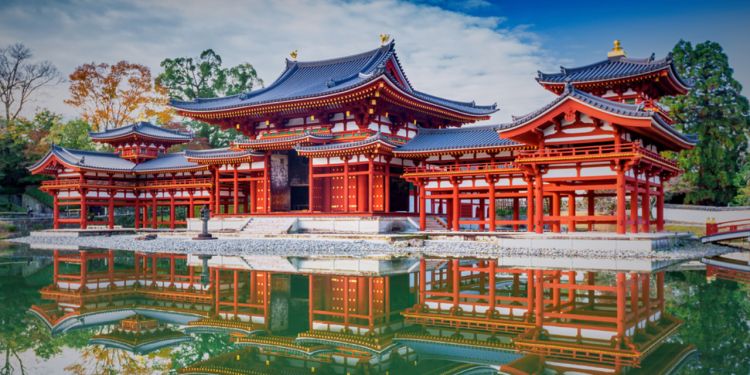
Working in Kyoto
Do you dream of working in Kyoto? The ancient capital of Japan is indeed a fascinating place that attracts millions of tourists every year. While ...
Higher Education and Universities in Kyoto
Kyoto stands as one of Japan's premier academic centers, hosting some of Asia's most prestigious universities and research institutions. International students benefit from world-class education, research opportunities, and increasingly available English-taught programs. The city's academic heritage spans centuries, creating an intellectually stimulating environment that attracts scholars from around the globe.
Kyoto University
Kyoto University, founded in 1897, ranks as Japan's second-oldest national university and consistently places among the top 50 universities worldwide. The institution has produced 13 Nobel Laureates and maintains a reputation for academic freedom and independent research. International students can access several English-taught programs, including the Kyoto University International Undergraduate Program (Kyoto iUP), which offers a 4.5-year program beginning with a six-month preparatory course. No Japanese language proficiency is required for admission to iUP. Graduate programs across multiple faculties offer English-medium instruction, particularly in sciences, engineering, and economics.
Tuition and Admission
National universities offer significantly lower tuition than private institutions or universities in Western countries. Annual tuition at Kyoto University is ¥535,800 (~USD 3,600) for most programs, with Law School at ¥804,000 annually. Admission fees total ¥282,000 as a one-time payment. The university offers tuition waivers for students demonstrating financial need and academic excellence, plus various scholarships including the MEXT (Monbukagakusho) Government Scholarship covering full tuition and monthly stipends.
Other Universities
Doshisha University and Ritsumeikan University represent Kyoto's top private institutions, both offering English-taught degree programs. Kyoto University of Advanced Science (KUAS) provides engineering and business programs specifically designed for international students. The Kyoto Institute of Technology focuses on design, architecture, and applied sciences. Application deadlines vary by institution, with most accepting applications for April or October intakes.
Sources: Kyoto University Official Website, Kyoto iUP Program
Schools for Expatriate Children in Kyoto
Families relocating to Kyoto will find several schooling options ranging from international institutions to Japanese public schools. While Kyoto has fewer international schools than Tokyo or Osaka, the available options provide quality education following internationally recognized curricula. Understanding enrollment requirements and fee structures helps families plan their educational pathway effectively.
International Schools
Kyoto International School (KIS) serves as the city's primary international education provider, operating since 1957. Accredited by the Western Association of Schools and Colleges (WASC) and the International Baccalaureate Organization, KIS offers the full IB curriculum from Early Years through the Diploma Programme, with Grade 12 completing in 2026. The school maintains small class sizes and a diverse student body representing multiple nationalities. Annual tuition ranges from approximately ¥1,530,000 to ¥1,916,000 depending on grade level, with additional fees for registration, facilities, and activities. Scholarships providing 20-30% tuition reductions are available for children of visiting researchers and scholars.
Japanese Public Schools
Japanese public schools welcome foreign children regardless of visa status. Education is compulsory and free for elementary (6 years) and junior high school (3 years). While instruction occurs entirely in Japanese, some schools offer supplementary Japanese language support for non-native speakers. This immersive approach can benefit children seeking complete cultural and linguistic integration. High schools require entrance examinations, with both public and private options available.
Enrollment Considerations
International school applications typically require academic transcripts, recommendation letters, and possibly entrance assessments. Japanese public school enrollment involves registering at the local ward office with residence documentation. For families in Kyoto temporarily, the Kyoto Prefectural Board of Education provides guidance on school placement. The nearby Osaka International School and Canadian Academy in Kobe offer additional international options within commuting distance.
Sources: Kyoto International School, International Schools Database
Housing and Neighborhoods in Kyoto
Finding suitable accommodation in Kyoto requires understanding the local rental market, neighborhood characteristics, and Japanese housing customs. The city offers diverse options from modern apartments near transit hubs to traditional machiya townhouses in historic districts. Rents remain more affordable than Tokyo while varying significantly based on location and property type.
Expat-Friendly Neighborhoods
Sakyo Ward, home to Kyoto University, attracts academics, researchers, and families seeking quiet residential streets near the Kamo River. Areas like Demachiyanagi and Shugakuin offer convenient access to hiking trails and cultural sites. Nakagyo Ward positions residents in the city center with excellent transit connections and proximity to shops, restaurants, and entertainment. The Karasuma Oike area serves as a major hub where two subway lines intersect. Katsura in western Kyoto appeals to expat families with its residential character, good schools, and direct train access to both Kyoto center and Osaka. The Kyoto Station area suits professionals prioritizing transportation convenience, with Shinkansen access to Tokyo and local lines throughout the region.
Rental Costs and Procedures
Rental prices vary considerably by location and apartment size. Studios and one-bedroom apartments in central areas average ¥65,000-85,000 monthly, while similar units in outer districts run ¥50,000-60,000. Two-bedroom apartments (2LDK) typically cost ¥120,000-150,000 in desirable neighborhoods. Three-bedroom family apartments range from ¥135,000 in suburban areas to ¥200,000+ in premium central locations. Initial move-in costs traditionally include one to two months' deposit (shikikin), key money (reikin) equal to one or two months' rent, and agent fees. Some foreigner-friendly agencies now offer properties with reduced or waived key money.
1-bedroom (city center) | ¥85,000/month (~USD 570) |
1-bedroom (outside center) | ¥50,000/month (~USD 335) |
3-bedroom (city center) | ¥185,000/month (~USD 1,235) |
3-bedroom (outside center) | ¥133,000/month (~USD 890) |
Sources: Numbeo 2025, BambooRoutes Real Estate Analysis
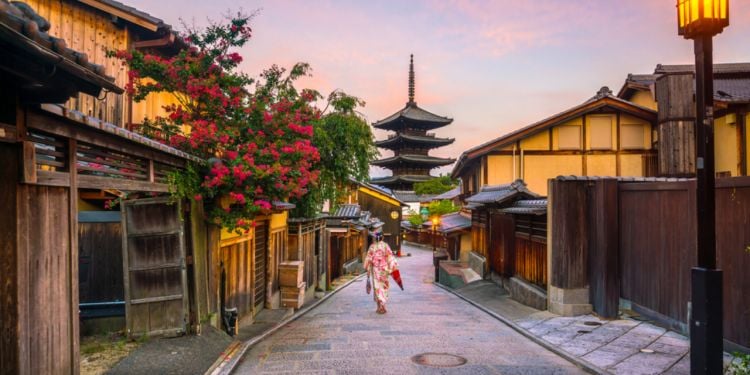
Accommodation in Kyoto
Looking to live in the ancient capital of Japan? Kyoto is an emblematic city known all over the world. It is also a prefecture that preserves some of ...
Leisure, Culture, and Things to Do in Kyoto
Kyoto offers an unparalleled cultural experience, with opportunities to explore ancient temples, participate in traditional arts, and enjoy world-class cuisine. Beyond the famous tourist attractions, long-term residents discover neighborhood festivals, local sports facilities, and a vibrant creative community. The city rewards those who venture beyond the guidebook highlights.
Cultural Experiences
The city's 2,000+ temples and shrines range from world-famous sites like Kinkaku-ji (Golden Pavilion) and Fushimi Inari Shrine to quiet neighborhood sanctuaries. Many temples offer zazen meditation sessions, sutra copying workshops, or overnight shukubo (temple lodging) experiences. The Gion district preserves geisha culture, with occasional glimpses of geiko and maiko in traditional attire. Residents can participate in tea ceremony classes, ikebana (flower arrangement), calligraphy, and martial arts training at community centers and private studios throughout the city.
Museums and Entertainment
The Kyoto National Museum houses exceptional collections of pre-modern Japanese and Asian art, while the Kyoto International Manga Museum appeals to comic enthusiasts with its library of 300,000 items. The Kyoto Railway Museum delights train enthusiasts of all ages. Toei Kyoto Studio Park combines film sets with interactive samurai and ninja experiences. The new TeamLab Biovortex Kyoto, opened October 2025 near Kyoto Station, offers immersive digital art installations. For performing arts, Minamiza Theatre in Gion presents traditional kabuki performances, while Gion Corner offers sampler programs of various traditional arts.
Outdoor Activities and Nightlife
The Kamo River provides jogging and cycling paths through the city center, popular for evening strolls and summer riverside dining. Hiking trails wind through the surrounding mountains, including the scenic Kurama to Kibune route and paths around Arashiyama. The Kyoto Botanical Garden and numerous park spaces offer green retreats. Nightlife centers around Kiyamachi and Pontocho streets, with bars, izakaya, and clubs operating until late. The craft beer scene has grown significantly, with local breweries and taprooms throughout the city.
Sources: Kyoto City Tourism Association, Japan Guide
Daily Life in Kyoto
Daily life in Kyoto balances traditional rhythms with modern convenience. The city's compact size, efficient public transportation, and cycling culture make commuting straightforward, while distinct seasons shape both weather and cultural activities throughout the year. Understanding transportation options and lifestyle patterns helps newcomers settle into their Kyoto routine smoothly.
Getting Around
Kyoto's public transportation network combines two subway lines, extensive bus routes, and multiple private railway companies. The Karasuma Line runs north-south connecting Kyoto Station to the city center, while the Tozai Line runs east-west. City buses reach virtually every neighborhood and major attraction, with a flat fare of ¥230 within the central zone. Monthly transit passes cost approximately ¥10,000 depending on the routes covered. Many residents prefer bicycles for daily errands—the city's flat terrain and dedicated cycling paths make this practical year-round. Bicycle parking is available at most stations, and rental shops offer monthly plans. Taxis are plentiful and reasonably priced, starting at ¥500 with typical city rides running ¥700-1,500.
Seasons and Lifestyle
Kyoto experiences four distinct seasons that profoundly influence daily life. Summers are hot and humid (July-August temperatures reaching 35°C), while winters bring cold temperatures and occasional snow. Spring cherry blossoms (late March-early April) and autumn foliage (mid-November) transform the city into spectacular displays that draw millions of visitors. Long-term residents learn to plan activities around these peak tourist seasons. Daily shopping occurs at neighborhood supermarkets, convenience stores open 24/7, and traditional shopping streets like Nishiki Market. Most restaurants, including those serving traditional Kyoto cuisine (kaiseki), welcome foreign diners, though menus may require some Japanese reading ability or translation apps.
Practical Considerations
Japan uses 100-volt electricity with Type A/B plugs (same as North America). Mobile phone service requires either a Japanese SIM card or international roaming plan—major carriers include NTT Docomo, au, and SoftBank. Most ATMs at convenience stores and post offices accept international cards. Trash separation follows detailed municipal guidelines, with specific collection days for burnable, non-burnable, recyclable, and oversized items.
Sources: Kyoto City Transportation Bureau, Japan Guide
Cost of Living in Kyoto
Kyoto offers a lower cost of living compared to Tokyo while maintaining excellent quality of life. Monthly expenses vary based on lifestyle choices, housing location, and family size. The following estimates help expatriates budget appropriately for their move to Japan's ancient capital.
Monthly Budget for a Single Person
A single professional can live comfortably in Kyoto on approximately ¥150,000-200,000 monthly, excluding significant travel or entertainment expenses. Housing represents the largest expense, followed by food and transportation. Those willing to live in outer neighborhoods, cook at home, and limit dining out can reduce costs substantially.
Category | Monthly Cost (Single Person) | USD Equivalent |
Rent (1-bedroom, city center) | ¥85,000 | ~USD 570 |
Utilities (electricity, gas, water) | ¥16,000 | ~USD 107 |
Groceries | ¥40,000 | ~USD 270 |
Transportation | ¥10,000 | ~USD 67 |
Mobile phone + Internet | ¥8,700 | ~USD 58 |
Health insurance | ¥20,000 | ~USD 134 |
Total (Single Person) | ¥179,700 | ~USD 1,200 |
Monthly Budget for a Family of Four
Families require larger apartments, typically in residential neighborhoods with good schools and parks. International school fees significantly increase monthly expenses for families choosing English-medium education.
Category | Monthly Cost (Family of 4) | USD Equivalent |
Rent (3-bedroom apartment) | ¥150,000 | ~USD 1,000 |
Utilities | ¥25,000 | ~USD 167 |
Groceries | ¥80,000 | ~USD 535 |
Transportation | ¥20,000 | ~USD 134 |
Mobile + Internet | ¥12,000 | ~USD 80 |
International school (2 children) | ¥250,000 | ~USD 1,670 |
Health insurance (family) | ¥45,000 | ~USD 300 |
Total (Family of 4) | ¥582,000 | ~USD 3,890 |
Sources: Numbeo 2025, Kyoto International School Fee Schedule
In Short
Kyoto offers expatriates a rare combination: the depth of Japan's cultural heritage alongside modern conveniences and genuine quality of life. Whether you're drawn by career opportunities at innovative companies like Nintendo and Kyocera, academic pursuits at world-ranked Kyoto University, or simply the prospect of daily life amid temples, gardens, and centuries-old traditions, this city delivers an experience unlike anywhere else. The manageable size, cycling-friendly streets, and tight-knit international community make settling in surprisingly smooth. Lower costs than Tokyo, excellent healthcare, safe neighborhoods, and easy access to Osaka and beyond add practical appeal. For those seeking meaningful cultural immersion rather than just another overseas posting, Kyoto remains Japan's most rewarding choice. Connect with fellow expatriates, share advice, and discover local insights on the Expat.com Kyoto forum—your community awaits.
We do our best to provide accurate and up to date information. However, if you have noticed any inaccuracies in this content, please contact us.


Essential services for your expat journey



