

Living in Hyogo: the ultimate expat guide
Everything you need to know for a successful life in Hyogo.
Hyogo Prefecture sits at the geographical heart of Japan, bridging the Sea of Japan to the north and the Seto Inland Sea to the south. With Kobe as its capital, this diverse region offers expatriates a unique blend of international culture, economic opportunity, and natural beauty. The prefecture spans 8,400 square kilometers and is home to approximately 5.5 million residents, including over 131,000 foreign nationals from more than 130 countries.
A Cosmopolitan History
Since the Port of Kobe opened to international trade in 1868, Hyogo has been at the forefront of Japan's modernization and internationalization. This heritage has created a welcoming environment for foreign residents, with multilingual services, international schools, and housing designed to meet global standards. The region successfully rebuilt after the 1995 Great Hanshin-Awaji Earthquake, emerging as a resilient and forward-looking community.
5 Good Reasons to Move to Hyogo
- Strategic location: Easy access to Osaka (20 minutes), Kyoto, and the rest of Japan via excellent rail and air connections.
- Lower costs than Tokyo: Office rents and living expenses are approximately half those of the capital.
- World-class attractions: Home to Himeji Castle (UNESCO World Heritage Site), Arima Onsen, and Mount Rokko.
- Diverse industries: Opportunities in biomedical sciences, IT, aerospace, steel, shipbuilding, and food manufacturing.
- Strong expat support: Established international communities, consultation services, and foreigner-friendly infrastructure.
Working in Hyogo: Industries, Opportunities, and Work Permits
Hyogo Prefecture offers diverse employment opportunities across traditional manufacturing and cutting-edge technology sectors. Major companies such as Kawasaki Heavy Industries, Kobe Steel, and facilities from Mitsubishi Heavy Industries, Toshiba, and Fujitsu are headquartered or operate significant research centers here. The region is particularly strong in steel, shipbuilding, machinery, and food manufacturing, which holds the second-largest market share in Japan.
Key Industries and Sectors
Kobe has emerged as a hub for biomedical sciences, hosting the Kobe Biomedical Innovation Cluster (KBIC) and Japan's first Microsoft AI Co-Innovation Lab in Asia. The prefecture actively promotes industries including IT, robotics, healthcare, renewable energy, and aerospace technology. The food sector thrives, with Hyogo accounting for 30% of Japan's sake production and being famous for Kobe beef.
Work Visas and Permits
Foreign nationals require appropriate work authorization to be employed in Japan. Common visa categories include the Engineer/Specialist in Humanities/International Services Visa for professionals in IT, engineering, teaching, and marketing. The Specified Skilled Worker Visa covers 16 designated industries including manufacturing and hospitality. Kobe offers a Startup Visa program for entrepreneurs looking to establish businesses in fields such as IT, healthcare, and renewable energy. Employers must obtain a Certificate of Eligibility (COE) from the Immigration Bureau before employees can apply for their visa.
Employment Overview
National Unemployment Rate | 2.6% (2024) |
Average Monthly Salary (Kobe) | ¥251,667 (~USD 1,700) |
Minimum Wage (Hyogo, 2025) | ¥1,100+/hour |
Sources: Numbeo, Nippon.com, Trading Economics
Higher Education and Universities in Hyogo
Hyogo Prefecture is home to numerous universities and Japanese language schools, making it an attractive destination for international students. The region actively supports foreign students through job fairs and dedicated consultation services like the One-Stop Consultation Desk for International Students. After graduation, students can remain in Japan for up to one year to seek employment and transition to a work visa.
Major Universities
Kobe University is the prefecture's flagship institution, ranking among Japan's top 15 universities for research performance. Founded in 1902, it offers 11 undergraduate and 14 graduate programs across fields including economics, commerce, medicine, engineering, and maritime sciences. The university hosts approximately 1,300 international students from 92 countries. Programs are available in both Japanese and English, particularly at the graduate level.
Other notable institutions include Kwansei Gakuin University, Konan University, Kobe Gakuin University, and University of Hyogo. The University of Hyogo operates the NewSUBARU synchrotron radiation facility, a leader in next-generation semiconductor research.
Tuition Fees and Admissions
At national universities like Kobe University, tuition fees are standardized for both domestic and international students. The application process typically requires submission of academic transcripts, language proficiency scores, and entrance examinations.
Entrance Examination Fee | ¥17,000 (~USD 115) |
Admission Fee (one-time) | ¥282,000 (~USD 1,900) |
Annual Tuition (Undergraduate/Graduate) | ¥535,800 (~USD 3,600) |
Sources: Kobe University
Schooling for Children: International and Local Education Options
Hyogo Prefecture offers excellent educational choices for expatriate families, from international schools following various curricula to bilingual programs that blend Japanese and English instruction. Kobe's long history as an international port city has fostered a strong network of schools catering to foreign residents.
International Schools
Canadian Academy in Kobe is one of Japan's most established international schools, founded in 1913. It offers the full International Baccalaureate (IB) program from pre-kindergarten through grade 12, with both day and boarding options. The school is accredited by WASC and CIS and draws students from over 40 countries. Annual tuition ranges from ¥1,500,000 to ¥3,050,000 depending on grade level.
Marist Brothers International School offers IB PYP, MYP, and Diploma programmes with tuition between ¥1,778,680 and ¥1,883,620 annually. St. Michael's International School provides the International Primary Curriculum (IPC) for ages 3-12, with first-year costs around ¥1,708,900 to ¥2,088,000.
Bilingual and Local Schools
Kansai International Academy is IB-certified and offers programs in both English and Japanese. Kobe Bilingual School (KOBILS) provides immersion English programs alongside Japanese classes for kindergarten through elementary school. Ascot International School follows the Cambridge curriculum with fees ranging from ¥1,300,500 to ¥1,980,500 depending on key stage.
Enrollment Considerations
International school fees typically cover tuition only; additional costs include application fees, building fees, transportation, and uniforms. Many schools maintain waitlists, so early application is recommended. Japanese public schools are free and accept foreign children, though instruction is entirely in Japanese.
International Primary School (Annual) | ¥1,200,000–¥2,500,000 |
Private Preschool (Monthly) | ~¥51,000 |
Sources: Numbeo, Canadian Academy, KobeCity.com
Housing and Neighborhoods: Where to Live in Hyogo
Hyogo offers diverse housing options, from modern high-rise apartments in central Kobe to traditional homes in quieter suburbs. Rental properties are available through real estate agents or public housing corporations. Be prepared to pay several months' rent upfront, including deposit (shikikin), key money (reikin), and agency fees.
Expat-Friendly Neighborhoods
Sannomiya and Motomachi form Kobe's commercial heart, offering convenient access to shops, restaurants, and transport links. These areas attract singles and young professionals seeking an active urban lifestyle. Rokko Island and Port Island feature modern developments with international schools nearby, popular with expatriate families. Higashinada-ku and Nada-ku offer quieter residential environments while maintaining good transit connections.
Ashiya and Nishinomiya, neighboring cities, are known for upscale residential areas with established foreign communities, international schools, and social clubs. Himeji and Amagasaki offer more affordable options with good access to both Kobe and Osaka.
Average Rental Prices
Rents in Kobe are generally lower than in Tokyo or Osaka, making the city attractive for cost-conscious expatriates. Central locations command premium prices, while suburban areas offer significant savings.
1-Bedroom (City Center) | ¥60,000–¥80,000/month |
1-Bedroom (Outside Center) | ¥40,000–¥60,000/month |
3-Bedroom (City Center) | ¥100,000–¥200,000/month |
3-Bedroom (Outside Center) | ¥85,000–¥150,000/month |
Sources: Numbeo, Expat Exchange
Leisure, Culture, and Things to Do in Hyogo
Hyogo Prefecture offers an exceptional range of cultural, outdoor, and entertainment experiences. From UNESCO World Heritage sites to renowned hot springs and stunning mountain views, the region provides year-round activities for all interests.
Historical Attractions
Himeji Castle, Japan's first UNESCO World Heritage Site (1993), stands as one of the country's best-preserved feudal castles. Known as the "White Heron Castle" for its elegant white exterior, it underwent extensive restoration completed in 2015. The adjacent Koko-en Garden features nine distinct Japanese garden styles. In Kobe, Kitano Ijinkan-gai showcases preserved Western residences from the late 19th century, reflecting the city's international heritage.
Nature and Outdoor Activities
Mount Rokko (931 meters) provides the scenic backdrop to Kobe, offering hiking trails, botanical gardens, and the famous "million-dollar night view" of the Kansai region. The Rokko Cable Car and Rokko Arima Ropeway connect the mountain to central Kobe and Arima Onsen. Nunobiki Herb Gardens feature over 200 varieties of herbs and flowers with ropeway access from Shin-Kobe Station.
Arima Onsen, one of Japan's three oldest hot spring resorts, offers therapeutic Kinsen (golden) and Ginsen (silver) spring waters just 30 minutes from central Kobe.
Entertainment and Nightlife
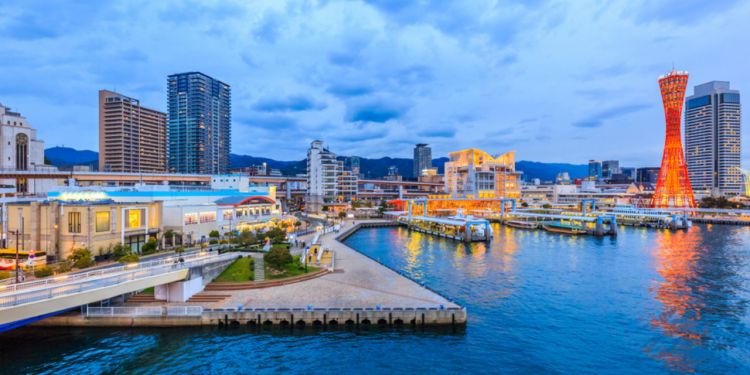
Kobe Harborland and Meriken Park provide waterfront dining, shopping, and entertainment, including the Kobe Port Tower and Kobe Maritime Museum. Nankinmachi (Chinatown) offers diverse Asian cuisine in a festive atmosphere. The city's jazz heritage lives on in numerous live music venues around Sannomiya. Sports fans can watch Vissel Kobe (J-League soccer) at Noevir Stadium or Kobe Steel Kobelco Steelers (rugby).
Seasonal Events
Spring brings cherry blossom viewing at Himeji Castle and throughout the region. The Kobe Luminarie illumination festival in December commemorates the 1995 earthquake. Kobe Illuminage at Kobe Fruit & Flower Park is Kansai's largest winter light display.
Daily Life in Hyogo: Transportation, Culture, and Practical Tips
Daily life in Hyogo combines Japanese efficiency with international accessibility. The prefecture's excellent transportation network, multilingual services, and established expat communities make settling in relatively straightforward for newcomers.
Getting Around
Kobe's subway system consists of two lines: the Seishin-Yamate Line and the Kaigan Line, with fares starting at ¥210 per trip. Monthly commuter passes cost approximately ¥5,500 for unlimited travel. The Port Liner connects Sannomiya to Kobe Airport in just 18 minutes, while the Rokko Liner serves Rokko Island.
Multiple railway companies serve the region: JR West, Hankyu, and Hanshin lines connect Kobe to Osaka (20 minutes) and Kyoto. The Shinkansen stops at Shin-Kobe Station, providing rapid access to Tokyo (2.5 hours) and Hiroshima. Day passes like the Kobe 1-Day Tour Coupon (¥950) offer unlimited travel on subways and city buses plus attraction discounts.
Lifestyle and Culture
Kobe's cosmopolitan heritage is visible in neighborhoods like Kitano Ijinkan-gai, featuring preserved Western-style residences from the Meiji era. Nankinmachi (Chinatown) offers diverse dining options. The city pioneered Japan's first professional jazz band and first film screening, maintaining a creative, international atmosphere.
Joining a jichikai (neighborhood association) helps with local integration, providing information about garbage collection schedules, safety drills, and community events. Trash must be sorted into categories and placed in designated bags on specific collection days. Foreign residents who have lived in Japan for three or more months can convert their overseas driver's license to a Japanese license at the prefectural police office.
Support Services
The Hyogo International Association operates the Multicultural Counseling Center, offering consultations in multiple languages including English, Chinese, and Spanish. The Kobe International Community Center (KICC) promotes cultural exchange and provides support for international residents.
Discover Hyogo Prefecture
In the central Eastern part of Honshu Island lies Kansai's prefecture, Hyogo. It is home to the famous Himeji castle, and Kobe is the ...
Cost of Living in Hyogo: Budgeting for Your New Life
Hyogo offers a favorable cost of living compared to Tokyo, with expenses approximately 20-30% lower in many categories. The average monthly cost of living in Kobe is around USD 1,170, placing it in the moderate range globally. The median after-tax salary of approximately ¥251,667 covers basic living expenses with room for savings.
Monthly Budget: Single Person
A single expatriate can live comfortably in Kobe on a moderate budget. Central locations require higher rental costs but offer convenience and reduced transportation expenses.
Category | City Center | Outside Center |
Rent (1-bedroom) | ¥70,000 | ¥45,000 |
Utilities | ¥15,000–¥30,000 | ¥15,000–¥30,000 |
Groceries | ¥30,000–¥40,000 | ¥30,000–¥40,000 |
Transportation | ¥5,500 | ¥8,000–¥12,000 |
Mobile/Internet | ¥8,000–¥10,000 | ¥8,000–¥10,000 |
Total Estimate | ¥130,000–¥160,000 | ¥105,000–¥140,000 |
Monthly Budget: Family of Four
Families should budget for larger housing, school fees if attending international schools, and increased daily expenses.
Category | City Center | Outside Center |
Rent (3-bedroom) | ¥150,000–¥200,000 | ¥100,000–¥150,000 |
Utilities | ¥30,000–¥60,000 | ¥30,000–¥60,000 |
Groceries | ¥80,000–¥100,000 | ¥80,000–¥100,000 |
Transportation | ¥15,000–¥20,000 | ¥20,000–¥30,000 |
International School (2 children, monthly) | ¥200,000–¥400,000 | ¥200,000–¥400,000 |
Health Insurance | ¥30,000–¥50,000 | ¥30,000–¥50,000 |
Total Estimate | ¥500,000–¥830,000 | ¥460,000–¥790,000 |
Sources: Numbeo, LivingCost.org
In Short
Hyogo Prefecture offers expatriates an ideal balance of international accessibility, economic opportunity, and authentic Japanese culture. With Kobe as its cosmopolitan gateway, the region provides world-class infrastructure, established foreign communities, and costs significantly lower than Tokyo. Whether you're drawn by career opportunities in biotech and manufacturing, the educational options for your family, or simply the allure of Himeji Castle, Mount Rokko, and Arima Onsen, Hyogo delivers a rewarding expatriate experience. The prefecture's history of welcoming international residents since 1868 means you'll find multilingual services, foreigner-friendly housing, and communities ready to help you settle in. Ready to connect with others making the move? Join the Expat.com Hyogo forum to share experiences and get advice from fellow expatriates.
We do our best to provide accurate and up to date information. However, if you have noticed any inaccuracies in this content, please contact us.


Essential services for your expat journey