

Living in Hiroshima: the ultimate expat guide
Everything you need to know for a successful life in Hiroshima.
Hiroshima is much more than its historic past. Today, it stands as a thriving metropolis of 1.2 million residents, serving as the largest city in the Chugoku region and the capital of Hiroshima Prefecture. Built on a scenic delta where the Ota River splits into six tributaries before meeting the Seto Inland Sea, Hiroshima offers a unique blend of urban convenience, natural beauty, and profound cultural significance. The city enjoys a mild climate with warm summers and cool winters, making it comfortable year-round. As a major industrial hub home to Mazda Motor Corporation and numerous manufacturing companies, Hiroshima provides solid employment opportunities while maintaining a cost of living significantly lower than Tokyo or Osaka.
5 Good Reasons to Move to Hiroshima
- Affordable living – Rent and daily expenses are 30-40% lower than Tokyo, stretching your salary further.
- Strong job market – Manufacturing, automotive, and technology sectors offer diverse career opportunities.
- Excellent transportation – Japan's longest streetcar network, JR trains, and Shinkansen access make commuting easy.
- Rich culture and nature – Two UNESCO World Heritage Sites, beautiful gardens, and nearby Miyajima Island.
- Welcoming community – Active international associations and expat networks help newcomers settle in quickly.
Working in Hiroshima: Career Opportunities in Japan's Industrial Heartland
Hiroshima's economy is anchored by a robust manufacturing sector, with the automotive industry leading the way. The city serves as headquarters for Mazda Motor Corporation, which has been based here since 1920 and remains the region's largest employer. Beyond automotive, Hiroshima hosts companies in shipbuilding, machinery, food processing, and technology. The manufactured product shipment value in the greater Hiroshima area reached approximately ¥10.3 trillion in 2023, with transport machinery accounting for 33% of this output.
Employment Landscape
Japan's national unemployment rate stands at approximately 2.6%, reflecting a tight labor market with strong demand for skilled workers. In Hiroshima Prefecture, the minimum wage is ¥1,020 per hour as of 2024, with plans to increase to approximately ¥1,083 in 2025. The average annual salary in Hiroshima is around ¥5.25 million, which provides comfortable living given the lower cost of living compared to major metropolitan areas. Key employment sectors include automotive manufacturing, shipbuilding at Mitsubishi Heavy Industries, food production with companies like Calbee and Otafuku, and growing tech and service industries.
Work Visas and Requirements
Foreign professionals typically require an Engineer/Specialist in Humanities/International Services visa to work in Japan. This visa requires a university degree related to your field or 10 years of relevant work experience (3 years for translation/interpretation roles). Employers must sponsor your visa application and demonstrate that your salary is equivalent to Japanese employees in similar positions, generally a minimum of ¥200,000-250,000 monthly. The visa is valid for 1, 3, or 5 years and is renewable.
Unemployment Rate (Japan) | 2.6% |
Average Annual Salary (Hiroshima) | ¥5,250,000 |
Minimum Wage (Hiroshima) | ¥1,020/hour |
Sources: Statistics Bureau of Japan, Ministry of Health, Labour and Welfare
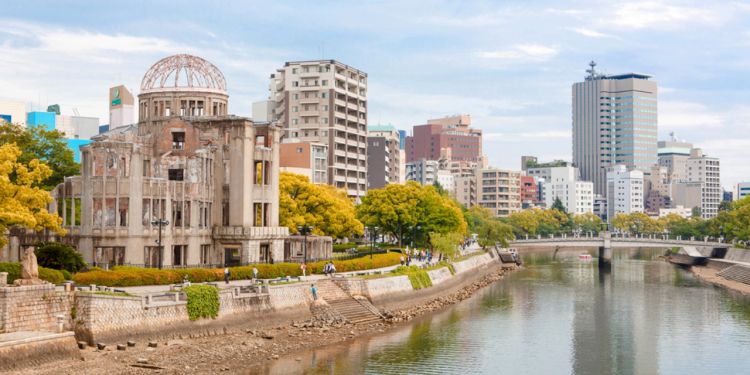
Working in Hiroshima
Hiroshima is a miniature barometer of Japan. Be it the population distribution or economic situation, the socioeconomic indicators of Hiroshima ...
Higher Education in Hiroshima: Universities and International Programs
Hiroshima is a significant educational center with numerous universities offering programs for international students. The city's academic institutions provide pathways for those seeking degrees in Japan, with many programs taught entirely in English. International students benefit from Japan's extensive scholarship programs and relatively affordable tuition compared to universities in the US or UK.
Hiroshima University
Hiroshima University is the region's premier institution, comprising 12 schools and 4 graduate schools. As a national university selected for Japan's Top Global University Project by MEXT in 2014, it actively recruits international students and offers numerous English-taught programs. The Integrated Global Studies (IGS) program provides a full bachelor's degree in English. Tuition for national universities is standardized at approximately ¥535,800 annually, with an enrollment fee of ¥282,000. Various scholarships are available, including the MEXT (Monbukagakusho) scholarship for outstanding international applicants.
Other Universities
The city hosts several other institutions including Hiroshima City University, Hiroshima Shudo University, Prefectural University of Hiroshima, and Eikei University of Hiroshima, which offers a specialized liberal arts program with English instruction. Nearby Higashi-Hiroshima has developed into a campus city with a significant international student population. Admission typically requires proof of previous education, Japanese language proficiency (for Japanese-taught programs) or English proficiency (for English-taught programs), and successful completion of entrance examinations or document screening.
Sources: Hiroshima University, Hiroshima Study Abroad Portal
Schools for Expat Children: International and Local Education Options
Families relocating to Hiroshima have several schooling options, from fully international curricula to Japanese public schools that welcome foreign children. The choice depends on your family's plans for staying in Japan, language abilities, and educational preferences.
International Schools
Hiroshima International School (HIS) is the city's primary international school, offering education from ages 3 to 18. Founded in 1962, HIS is fully authorized to offer the International Baccalaureate (IB) curriculum, including the Primary Years Programme (PYP), Middle Years Programme (MYP), and IB Diploma Programme. The school maintains an authentically international environment with students from over 20 countries. Annual tuition ranges from approximately ¥1,413,000 to ¥1,801,000 depending on grade level, with additional enrollment fees of around ¥350,000 for new students. English is the language of instruction, though Japanese language classes are also offered.
Hiroshima Global Academy (HiGA) is a public boarding school offering the IB programme for students aged 12-18, with bilingual instruction in English and Japanese. As a prefectural school, tuition is considerably lower at approximately ¥376,800 annually.
Japanese Public Schools
Foreign residents can enroll their children in Hiroshima municipal elementary and junior high schools free of charge. Children ages 6-11 attend elementary school, and ages 12-14 attend junior high school. Enrollment procedures are completed at the School Affairs Division of the Municipal Board of Education or local ward offices. While instruction is in Japanese, schools provide support for non-Japanese speaking students. This option offers deep cultural immersion and is ideal for families planning long-term residence.
Sources: Hiroshima International School, Hiroshima City Official Website
Housing and Neighborhoods: Finding Your Home in Hiroshima
Hiroshima offers affordable housing compared to Japan's major cities, with diverse neighborhoods catering to different lifestyles. The rental market includes modern apartments, traditional Japanese housing, and family-sized units. Most rentals require a deposit (typically 1-2 months' rent), key money (a non-refundable gift to the landlord, often 1 month), and a guarantor or guarantor company.
Popular Areas for Expats
The Naka Ward downtown area, including neighborhoods like Hondori, Nakamachi, and Motomachi, offers urban convenience with easy access to shops, restaurants, and Peace Memorial Park. In Higashi-Ku, the Ushita area has long been popular with expats for its convenient commutes, lively local culture, and family-friendly atmosphere. Nishi-Ku neighborhoods including Yokogawa and Koi offer good public transport connections and a traditional atmosphere with diverse dining options. Hakushima near the castle is favored for its parks, upscale restaurants, and proximity to Hiroshima Station.
Rental Costs
Rental prices in Hiroshima are significantly lower than Tokyo. Expect to pay approximately ¥50,000-75,000 monthly for a one-bedroom apartment in the city center, or ¥30,000-45,000 outside the center. A three-bedroom apartment costs around ¥100,000-120,000 in central areas and ¥78,000-80,000 in suburban neighborhoods. Utilities for an 85m² apartment average approximately ¥20,000 monthly.
1-Bedroom (City Center) | ¥50,000 - ¥75,000/month |
1-Bedroom (Outside Center) | ¥30,000 - ¥45,000/month |
3-Bedroom (City Center) | ¥100,000 - ¥120,000/month |
3-Bedroom (Outside Center) | ¥78,000 - ¥80,000/month |
Sources: Numbeo
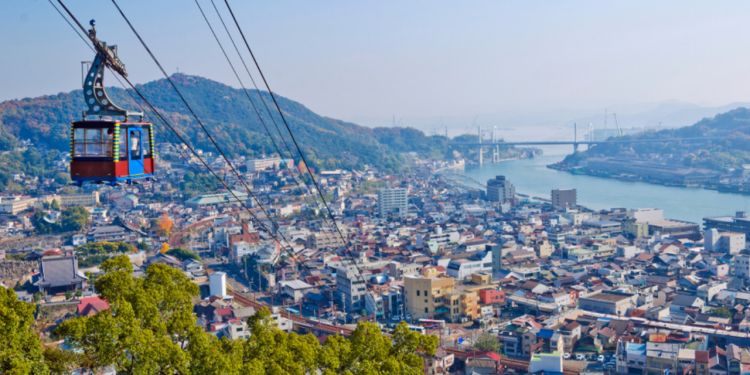
Accommodation in Hiroshima
You're in Japan, leaving Tokyo, the megalopolis capital, behind and moving further south, towards Hiroshima. You are looking for accommodation, ...
Leisure, Culture, and Things to Do in Hiroshima
Hiroshima offers a rich tapestry of cultural experiences, outdoor activities, and entertainment. From UNESCO World Heritage Sites to local festivals, the city provides ample opportunities for exploration and enjoyment throughout the year.
Must-See Attractions
The Peace Memorial Park spans over 120,000 square meters and includes the iconic A-Bomb Dome (UNESCO World Heritage Site), the Peace Memorial Museum, and numerous monuments. The museum, designed by renowned architect Kenzo Tange, receives over 1.5 million visitors annually. Hiroshima Castle, rebuilt in 1958, offers panoramic city views and houses a museum on samurai history. Shukkeien Garden, originally designed in 1620, features miniature landscapes, tea houses, and seasonal beauty—particularly stunning during cherry blossom season and autumn foliage.
Day Trips and Nature
Miyajima Island (Itsukushima), accessible by a 10-minute ferry ride, is home to the famous floating torii gate of Itsukushima Shrine (another UNESCO World Heritage Site). Hike Mount Misen for breathtaking views of the Seto Inland Sea. The Shimanami Kaido, a series of bridges connecting islands to Shikoku, offers world-class cycling routes.
Entertainment and Nightlife
The Nagarekawa district is Hiroshima's entertainment hub, packed with bars, restaurants, and karaoke venues. Catch a Hiroshima Carp baseball game at the Mazda Zoom-Zoom Stadium or watch Sanfrecce Hiroshima football at Edion Peace Wing Stadium. Okonomimura offers a unique dining experience with 25 stalls serving Hiroshima-style okonomiyaki. Annual events include the Peace Memorial Ceremony (August 6), Hiroshima Flower Festival (May), and Sake Festival in nearby Saijo (October).
Daily Life in Hiroshima: Transportation and Local Culture
Daily life in Hiroshima combines Japanese efficiency with a relaxed, welcoming atmosphere. The city's compact layout and excellent public transport make commuting straightforward, while its culinary scene and friendly locals create a comfortable environment for newcomers.
Getting Around
Hiroshima boasts Japan's longest and busiest streetcar network, operated by Hiroden (Hiroshima Electric Railway). The tram system covers most of the city with 7 main lines and over 270 streetcars, including historic models from the 1950s that have earned it the nickname "moving museum." A single ride costs ¥190-240 depending on distance, with day passes available for ¥700. The Astram Line, a rubber-tired rapid transit system, connects downtown to northwestern suburbs. JR trains serve longer distances, including the Shinkansen for travel to Osaka (1.5 hours) or Tokyo (4 hours). The city is also bicycle-friendly with rental stations throughout.
Local Culture and Lifestyle
Hiroshima residents take pride in their city's resilience and commitment to peace. The pace of life is noticeably calmer than Tokyo, yet the city offers urban conveniences. Okonomiyaki, the local savory pancake layered with noodles, cabbage, and various toppings, is a culinary icon—Okonomimura building houses 25 stalls dedicated to this dish. The city is passionate about its professional sports teams: the Hiroshima Toyo Carp baseball team (affiliated with Mazda) and Sanfrecce Hiroshima football club. Shopping centers like Hondori arcade and various department stores provide retail options, while traditional festivals and events occur throughout the year.
Sources: Hiroshima Electric Railway, Hiroshima Tourism
Cost of Living in Hiroshima: Budget Planning for Expats
Hiroshima offers excellent value compared to Japan's major cities. Living costs are approximately 30-40% lower than Tokyo, allowing residents to enjoy a comfortable lifestyle on a moderate income. The combination of affordable housing, reasonable food costs, and efficient public transport makes budgeting straightforward.
Monthly Budget for a Single Person
Expense Category | Monthly Cost (JPY) | Approx. USD |
Rent (1-bedroom, center) | ¥50,000 | ~$330 |
Utilities | ¥15,000 | ~$100 |
Groceries | ¥35,000 | ~$230 |
Transportation | ¥5,000 | ~$33 |
Mobile Phone | ¥3,000 | ~$20 |
Leisure/Dining Out | ¥25,000 | ~$165 |
Total | ¥133,000 | ~$880 |
Monthly Budget for a Family of Four
Expense Category | Monthly Cost (JPY) | Approx. USD |
Rent (3-bedroom, center) | ¥110,000 | ~$730 |
Utilities | ¥25,000 | ~$165 |
Groceries | ¥80,000 | ~$530 |
Transportation | ¥15,000 | ~$100 |
International School (1 child) | ¥130,000 | ~$860 |
Health Insurance | ¥40,000 | ~$265 |
Leisure/Dining Out | ¥40,000 | ~$265 |
Total | ¥440,000 | ~$2,915 |
Sources: Numbeo 2025
In Short
Hiroshima stands as a testament to resilience and hope, offering expats an affordable, culturally rich environment with strong career opportunities. The city's excellent public transport, welcoming community, and lower cost of living make it an attractive alternative to Japan's megacities. Whether you're drawn by employment in the automotive industry, academic opportunities, or simply the appeal of a peaceful riverside city with two UNESCO World Heritage Sites at your doorstep, Hiroshima delivers quality of life that exceeds expectations. The city's commitment to peace creates a unique atmosphere that residents treasure. Ready to connect with others who've made the move? Join the Hiroshima forum on Expat.com to ask questions, share experiences, and become part of the community.
We do our best to provide accurate and up to date information. However, if you have noticed any inaccuracies in this content, please contact us.


Essential services for your expat journey



