

Living in Sendai: the ultimate expat guide
Everything you need to know for a successful life in Sendai.
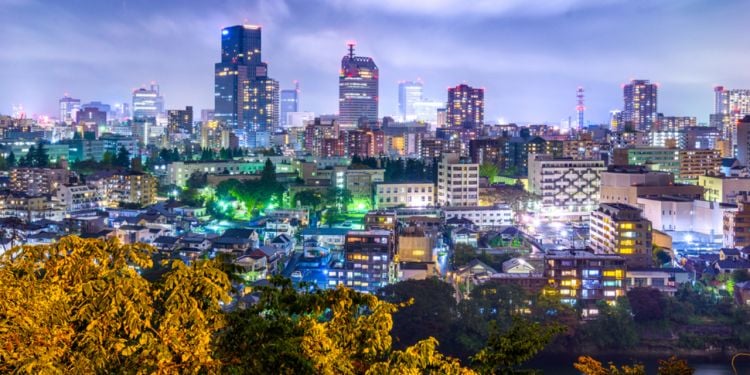
Sendai is the largest city in Japan's Tohoku region, with a population of approximately 1.08 million residents. Known as the "City of Trees" (Mori no Miyako), Sendai offers a harmonious blend of urban convenience and natural beauty. The city was founded in 1600 by the feudal lord Date Masamune and has since grown into a major economic and cultural hub. Located just 90 minutes from Tokyo by Shinkansen bullet train, Sendai provides excellent access to Japan's capital while maintaining a more relaxed pace of life and lower cost of living.
Why Consider Sendai for Relocation
Sendai attracts international residents with its excellent quality of life, world-class universities, and welcoming atmosphere. The city serves as the administrative and commercial center for the six prefectures of the Tohoku region, hosting numerous multinational companies and research institutions. With its mild climate compared to other Tohoku areas, proximity to beaches, ski slopes, and hot springs, Sendai offers diverse recreational opportunities year-round.
5 Good Reasons to Move to Sendai
- Academic excellence – Home to Tohoku University, one of Japan's top-ranked national universities with cutting-edge research facilities.
- Affordable urban living – Housing and daily expenses are significantly lower than Tokyo while maintaining excellent urban amenities.
- Rich cultural heritage – Experience traditional festivals, historic sites, and authentic regional cuisine including the famous gyutan (beef tongue).
- Outstanding nature access – Mountains, Pacific coastline, and hot spring resorts are within easy reach for weekend adventures.
- Strong expat community – Active international community with support networks, language exchange opportunities, and cultural events.
Working in Sendai: Employment Opportunities and Work Permits
Sendai serves as the economic hub of the Tohoku region, attracting both domestic and international companies. The city has positioned itself as a center for research and development, particularly in advanced materials, disaster prevention technology, and life sciences. Many foreign professionals find opportunities in academia, technology, and English education.
Key Industries and Job Market
The primary employment sectors include manufacturing, services, retail, and research. Tohoku University and its affiliated research centers are major employers of international researchers and academics. The city also hosts regional headquarters for many Japanese corporations, creating demand for professionals with international experience. The next-generation synchrotron radiation facility at Tohoku University, which began operations in 2024, has attracted additional research investment to the region.
Work Visa Requirements
Foreign nationals require a valid work visa to be employed in Japan. The most common categories include the Engineer/Specialist in Humanities/International Services visa for professionals and the Instructor visa for teachers. Employers must sponsor visa applications by obtaining a Certificate of Eligibility (COE) from the Immigration Services Agency, a process typically taking 1-3 months. Japan also introduced a Digital Nomad Visa in 2024 for remote workers earning at least ¥10 million annually, allowing stays of up to six months.
National unemployment rate | 2.5% (January 2025) |
Average monthly salary (Sendai) | ¥230,400 net after tax |
Main employment sectors | Research, manufacturing, services, education |
Sources: Statistics Bureau of Japan, Numbeo
Finding a job in Sendai
It is known as "the city of trees". Sendai, the capital of Miyagi Prefecture, is also the most populated city in the region. It gets its ...
Higher Education and Universities in Sendai
Sendai is often called an "Academic City" (Gakuto) due to its concentration of higher education institutions. The city hosts over 100 colleges and universities with approximately 79,000 students, creating a youthful, intellectually vibrant atmosphere. International students benefit from numerous English-taught programs and scholarship opportunities.
Tohoku University
Tohoku University is the flagship institution, ranked among the top three universities in Japan by Times Higher Education. Founded in 1907 as Japan's third imperial university, it was the first in Japan to admit female and international students. The university offers various English-taught programs including the Future Global Leadership (FGL) undergraduate program and numerous graduate programs through the International Graduate Program for Advanced Science (IGPAS). Annual tuition is approximately ¥535,800 with an entrance fee of ¥282,000. Fee waivers are available for students demonstrating financial need.
Admission and Living Costs
International students can apply through various pathways including direct admission for English-taught programs or the standard Japanese entrance examination. The MEXT (Japanese Government) Scholarship offers full funding including tuition, living expenses, and airfare for qualified applicants. Monthly living costs for students typically range from ¥80,000 to ¥150,000, with university dormitory fees around ¥36,000 per month. Additional institutions include Tohoku Gakuin University and Miyagi University, offering diverse academic programs.
Sources: Tohoku University, Tohoku University International Support Center
Schools and Education for Expat Children
Families relocating to Sendai have several educational options, from the Japanese public school system to international schools following Western curricula. Understanding enrollment procedures and fee structures helps parents make informed decisions for their children's education.
International Schools
Tohoku International School (TIS) is the primary international school serving the Sendai area. Established in 1950, TIS offers education from kindergarten through grade 12 following an International Baccalaureate (IB) curriculum. The school has approximately 100 students from diverse national backgrounds and is accredited by the Western Association of Schools and Colleges (WASC). Annual tuition ranges from ¥990,000 to ¥1,690,000 depending on grade level, with additional enrollment fees of approximately ¥415,000 for first-year students. Horizon Academy Sendai Campus provides an alternative option focusing on developing global citizens.
Japanese Public Schools
The Japanese public education system is free for elementary (grades 1-6) and junior high school (grades 7-9). International children can enroll in local schools, which provides excellent Japanese language immersion. High school (grades 10-12) requires entrance examinations and tuition fees. Many schools offer special Japanese language support classes for non-native speakers. Private kindergartens and preschools typically charge between ¥36,000 and ¥55,000 monthly.
Sources: Tohoku International School, International Schools Database
Housing and Neighborhoods in Sendai
The Sendai housing market offers diverse options from modern apartments to traditional Japanese houses. Compared to Tokyo, rental prices are considerably more affordable while maintaining good quality standards. Understanding the rental process and popular neighborhoods helps newcomers find suitable accommodation.
Expat-Friendly Neighborhoods
Aoba Ward is the central district, home to Sendai Station and the main shopping arcades. It offers excellent convenience with restaurants, entertainment, and nightlife, making it popular among young professionals. Miyagino Ward to the east provides a quieter, more residential atmosphere with good access to the coast and lower rental prices. Izumi Ward in the north features suburban living with shopping centers and is near Tohoku International School. Dainohara blends traditional charm with modern amenities and is favored by families. Areas near subway stations command premium prices but offer superior commuting convenience.
Rental Prices and Procedures
The rental process in Japan typically requires a guarantor, deposit (usually 1-2 months' rent), and key money (a non-refundable gift to the landlord). Real estate agencies catering to foreigners include options with English support. Some landlords may be hesitant to rent to non-Japanese speakers, but the situation has improved in recent years with agencies specializing in expat housing.
1-bedroom apartment (city center) | ¥60,000–¥120,000/month |
1-bedroom apartment (suburbs) | ¥45,000–¥50,000/month |
3-bedroom apartment (city center) | ¥110,000–¥130,000/month |
3-bedroom apartment (suburbs) | ¥80,000–¥100,000/month |
Sources: Numbeo (December 2024)
Leisure, Culture, and Things to Do in Sendai
Sendai offers a rich cultural calendar, diverse entertainment options, and exceptional access to natural attractions. The city blends traditional Japanese heritage with modern urban amenities, ensuring residents always find engaging activities.
Festivals and Cultural Events
The Sendai Tanabata Festival (August 6-8) is the city's most famous event and one of Japan's largest star festivals. Over 2 million visitors come annually to admire thousands of handcrafted paper streamers decorating the shopping arcades. A spectacular fireworks display on August 5 launches the festivities. In spring, the Aoba Festival features the traditional "sparrow dance" through city streets. Winter brings the Sendai Pageant of Starlight, when Jozenji-dori Avenue sparkles with 600,000 LED lights on zelkova trees.
Attractions and Recreation
History enthusiasts can explore Sendai Castle (Aoba Castle) ruins, offering panoramic city views and the iconic Date Masamune statue. The Zuihoden Mausoleum showcases ornate Momoyama-period architecture housing the remains of the Date lords. Sendai Mediatheque, designed by architect Toyo Ito, serves as a cultural hub with galleries, library, and event spaces. For families, Sendai Anpanman Children's Museum and Yagiyama Zoological Park provide entertainment. Sports fans can watch Vegalta Sendai (football) and Tohoku Rakuten Golden Eagles (baseball). Weekend escapes include Matsushima Bay (30 minutes), Akiu Onsen hot springs, and winter skiing at nearby resorts.
Sources: Visit Miyagi, Sendai Tanabata Festival
Daily Life in Sendai: Transportation and Lifestyle
Daily life in Sendai combines Japanese efficiency with a relaxed regional character. The city offers comprehensive public transportation, diverse shopping options, and a strong sense of community. Newcomers quickly adapt to local routines and appreciate the city's livability.
Getting Around Sendai
Sendai has an efficient public transportation network centered on two subway lines: the Namboku Line (north-south) and the Tozai Line (east-west), which intersect at Sendai Station. A single ride costs around ¥250, while monthly passes range from ¥6,000 to ¥15,000 depending on distance. The Loople Sendai tourist bus connects major attractions in a circular route, departing every 15-20 minutes with day passes available for ¥630. City buses, JR trains, and the Sendai Airport Access Line complete the network. IC cards like Suica and icsca work across all transportation modes.
Everyday Conveniences
Shopping arcades near Sendai Station, including Ichibancho and Clis Road, offer extensive retail, dining, and entertainment. Supermarkets like Ito-Yokado, AEON, and local chains stock both Japanese and some international products. The Mall Sendai Nagamachi is the largest shopping center, accessible by subway. Convenience stores (konbini) are ubiquitous and provide 24-hour access to essentials. Japanese language ability helps significantly in daily interactions, though English support is expanding in major establishments.
Sources: Sendai City Transportation Bureau, Loople Sendai
Cost of Living in Sendai: Budgeting Your New Life
Sendai offers a significantly lower cost of living compared to Tokyo and other major Japanese cities while providing excellent urban amenities. Understanding typical expenses helps newcomers plan realistic budgets for comfortable living.
Monthly Budget for a Single Person
A single person can live comfortably in Sendai with careful budgeting. Housing represents the largest expense, followed by food and transportation. The following table outlines typical monthly costs for essential categories.
Category | Single Person | Notes |
Rent (1BR, city center) | ¥83,000 | Suburban options from ¥47,000 |
Utilities | ¥25,000 | Electricity, gas, water |
Groceries | ¥40,000 | Home cooking |
Transportation | ¥7,000 | Monthly pass |
Internet/Mobile | ¥10,000 | Broadband + phone |
Total (single) | ¥165,000 | Excluding entertainment |
Monthly Budget for a Family of Four
Families require larger accommodation and should factor in education costs. International schooling represents a significant expense that should be planned carefully.
Category | Family of Four | Notes |
Rent (3BR, city center) | ¥120,000 | Suburban options from ¥90,000 |
Utilities | ¥35,000 | Larger apartment |
Groceries | ¥80,000 | Family meals |
Transportation | ¥20,000 | Multiple passes |
International school (2 children) | ¥200,000 | ~¥1.2M/year each |
Health insurance | ¥40,000 | National Health Insurance |
Total (family) | ¥495,000 | With international schooling |
Sources: Numbeo (December 2024), International Schools Database
In Short
Sendai offers an exceptional quality of life for international residents seeking the best of Japan without the intensity of Tokyo. As the Tohoku region's largest city, it combines economic opportunity with cultural richness, natural beauty, and genuine community warmth. The presence of Tohoku University creates an intellectually stimulating environment, while lower living costs make it accessible for diverse budgets. Whether you're drawn by career opportunities, academic pursuits, or simply a desire for authentic Japanese living, Sendai welcomes newcomers with open arms. Connect with fellow expats, share experiences, and get personalized advice by joining the Sendai forum on Expat.com – your community awaits!
We do our best to provide accurate and up to date information. However, if you have noticed any inaccuracies in this content, please contact us.


Essential services for your expat journey



