

Living in Beijing: the ultimate expat guide
Everything you need to know for a successful life in Beijing.
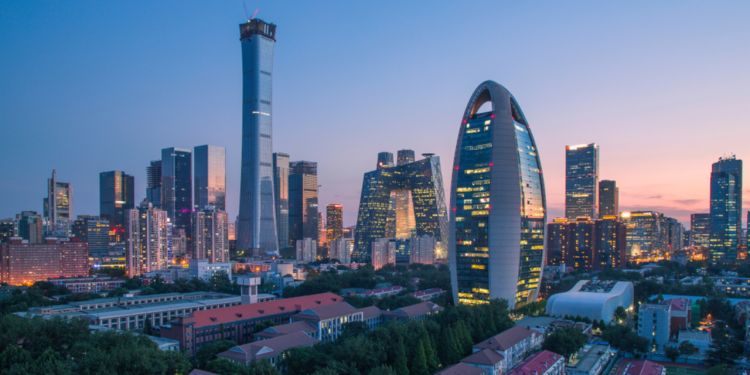
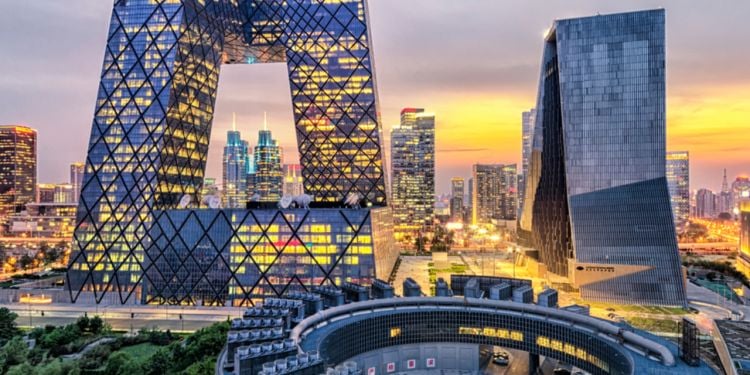
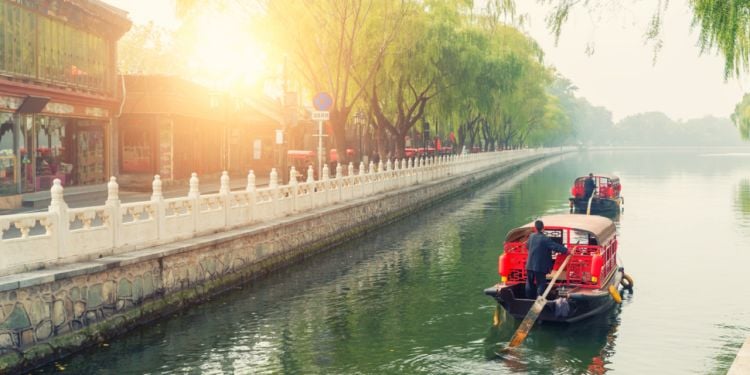
Beijing, the capital of the People's Republic of China, blends over 3,000 years of history with the energy of a modern megacity. Home to approximately 22 million residents, it serves as China's political, cultural, and educational hub. The city offers expats a unique experience where ancient hutong alleyways meet sleek skyscrapers, and imperial palaces stand alongside world-class technology parks. With seven UNESCO World Heritage Sites, including the Forbidden City and the Great Wall, Beijing provides an unparalleled cultural immersion.
5 Good Reasons to Move to Beijing
- Career opportunities – Beijing is home to major multinational corporations, tech giants like Baidu and ByteDance, and a thriving startup ecosystem.
- World-class education – Access to prestigious universities such as Tsinghua and Peking University, plus excellent international schools.
- Rich cultural heritage – From the Great Wall to traditional hutong neighborhoods, history surrounds you daily.
- Efficient transportation – One of the world's largest metro systems with 27 lines and 490 stations connects the entire city.
- Affordable living – Despite being a major capital, Beijing's cost of living remains significantly lower than London, New York, or Tokyo.
Working in Beijing: Career Opportunities and Employment
Beijing's job market offers strong opportunities for expats, particularly in technology, finance, education, and international business. The city hosts headquarters of major Chinese tech companies and numerous multinational corporations. However, understanding local work permit requirements and the competitive job landscape is essential for success.
Key Industries and Sectors
The technology sector dominates Beijing's economy, with Zhongguancun known as China's Silicon Valley. Finance, consulting, and professional services also thrive, concentrated in the Central Business District (CBD). English teaching remains accessible for native speakers, while roles in marketing, engineering, and management attract specialized professionals. The government's focus on "new quality productive forces" means growing demand in AI, green energy, and advanced manufacturing.
Work Permits and Employment Requirements
To work legally in Beijing, foreigners need a Z Visa and a Foreigner's Work Permit. The application requires sponsorship from a registered Chinese employer, a bachelor's degree, at least two years of relevant work experience, a clean criminal record, and a medical examination. China uses a points-based system classifying workers into three tiers: Class A (high-end talent, 85+ points), Class B (professional talent, 60+ points), and Class C (temporary or seasonal workers). Processing typically takes 4 to 8 weeks.
Employment Statistics
The following table provides key employment indicators for Beijing.
Average monthly salary (after tax) | CNY 9,940 (~USD 1,380) |
Urban unemployment rate (2025) | 5.2% |
Top hiring sectors | Technology, finance, education, professional services |
Sources: Numbeo 2025, National Bureau of Statistics of China
Finding work in Beijing
Beijing is the capital of China, and as the country's major city, it offers a wide range of opportunities for expat job seekers. If you want to ...
Higher Education and Universities in Beijing
Beijing is China's academic capital, hosting 91 colleges and universities and attracting thousands of international students each year. The city is home to two of Asia's most prestigious institutions, Tsinghua University and Peking University (PKU), both consistently ranked among the world's top 20 universities.
Top Universities for International Students
Tsinghua University excels in engineering, technology, and business, offering over 30 English-taught master's programs with approximately 20% international enrollment. Peking University, often called the "Harvard of China," is renowned for natural sciences, humanities, and liberal arts, with about 15% international students. Beijing Normal University (BNU) is the top choice for education research and Chinese language studies. Other notable institutions include Renmin University (social sciences), Beijing Institute of Technology (engineering), and Beijing Language and Culture University, nicknamed the "Little United Nations" for its diverse international community.
Tuition Fees and Admission
Annual tuition fees for international students range from CNY 11,800 to CNY 52,000 for bachelor's programs and CNY 13,800 to CNY 128,700 for master's programs, depending on the institution and field of study. Admission requires a valid passport, academic transcripts, language proficiency (HSK for Chinese-taught programs or IELTS/TOEFL for English programs), and sometimes standardized test scores. The Chinese Government Scholarship and Beijing Government Scholarship cover tuition and living costs for outstanding applicants. Applications typically open in November for the following September intake.
Sources: Peking University, Tsinghua University, Study in Beijing Official Portal
Study in Beijing
China's capital is not only the second largest city in the country (after Shanghai) but also a leading hub in the entire Asian continent. Beijing ...
Schooling for Children: International Schools in Beijing
Beijing offers an extensive range of international schools catering to expatriate families. These institutions follow various curricula including International Baccalaureate (IB), American, British, and bilingual programs. While fees are substantial, the quality of education and facilities typically matches or exceeds international standards.
Leading International Schools
International School of Beijing (ISB), established over 40 years ago, is one of the oldest and most respected institutions, serving 1,750 students from 45 nationalities. Western Academy of Beijing (WAB) offers IB programs from early years through high school with strong arts and athletics programs. The British School of Beijing follows the English National Curriculum and provides A-levels preparation. Dulwich College Beijing and Keystone Academy offer bilingual programs combining Eastern and Western educational philosophies. Most international schools are located in Shunyi District (suburban, family-friendly) or Chaoyang District (central, convenient).
Tuition Fees and Enrollment
International school tuition in Beijing ranges significantly based on grade level and institution.
Preschool/Kindergarten (annual) | CNY 165,000–250,000 |
Primary School (annual) | CNY 232,800–280,000 |
High School (annual) | CNY 300,000–377,000 |
Application fee | CNY 2,100–2,800 (non-refundable) |
Enrollment typically requires a student visa (X1 or X2), transcripts, recommendation letters, and entrance assessments. Most schools have waiting lists, so early application is advised.
Sources: International School of Beijing, Western Academy of Beijing
Housing and Neighborhoods: Where Expats Live in Beijing
Finding the right neighborhood is crucial for quality of life in Beijing. The city spans 16 districts across 6,500 square miles. Most expats concentrate in eastern areas where international services, schools, and business centers are located. Housing options range from modern high-rise apartments to traditional courtyard homes (siheyuan) in historic hutong alleyways.
Popular Expat Neighborhoods
Chaoyang District is the most popular choice for expats, housing most foreign embassies, international businesses, and nightlife. Within Chaoyang, Sanlitun offers a vibrant lifestyle with international restaurants, bars, and shopping at Taikoo Li. Lido/Jiangtai provides a quieter atmosphere with family-friendly compounds near international schools. The CBD suits professionals working in finance and consulting. Dongcheng District appeals to those seeking cultural immersion, with historic hutong areas like Nanluoguxiang and proximity to the Forbidden City. Shunyi District, located northeast of the city center near the airport, is favored by families for its spacious villas, green spaces, and concentration of international schools.
Rental Prices and Procedures
Rental costs vary considerably by location and property type.
1-bedroom apartment (city center) | CNY 6,700/month (~USD 930) |
1-bedroom apartment (outside center) | CNY 3,600/month (~USD 500) |
3-bedroom apartment (city center) | CNY 14,600/month (~USD 2,030) |
3-bedroom apartment (outside center) | CNY 8,100/month (~USD 1,125) |
Villa in Shunyi | CNY 20,000–50,000/month |
Leases typically require a deposit of 1-3 months' rent, with rent paid monthly or quarterly. Many landlords request payment via WeChat or Alipay. Registration with local police within 24 hours of moving is mandatory for all foreigners.
Sources: Numbeo 2025
Accommodation in Beijing
If you are moving to Beijing, one of the first to-dos on your list will be finding a place to live. China's capital city is one of the most ...
Leisure, Culture and Things To Do in Beijing
Beijing offers endless opportunities for cultural enrichment, outdoor activities, and entertainment. Whether you seek ancient history, contemporary art, outdoor adventures, or vibrant nightlife, the city caters to all interests and ages.
Historic Sites and Museums
The Forbidden City (Palace Museum) is China's crown jewel, a 250-acre imperial palace complex with over 9,000 rooms. Advance booking is essential via WeChat mini-programs. The Great Wall is accessible from several sections near Beijing: Mutianyu (less crowded, cable car available), Badaling (most developed), and Jinshanling (scenic hiking). The Temple of Heaven features stunning Ming Dynasty architecture and locals practicing tai chi in the surrounding park. The National Museum of China, with over 1.4 million artifacts, is one of the world's largest museums (free with reservation). 798 Art District, a converted factory complex, showcases contemporary Chinese art in galleries, studios, and cafés.
Parks, Recreation and Nightlife
Summer Palace (Yiheyuan) offers serene lake views and imperial gardens perfect for weekend escapes. Chaoyang Park, Beijing's largest urban park, hosts jogging trails, sports facilities, and seasonal festivals. Beihai Park and Jingshan Park provide panoramic views of the Forbidden City. For families, Universal Studios Beijing, opened in 2021, delivers Hollywood-themed entertainment. Sanlitun and Houhai Lake are the main nightlife hubs, offering everything from craft beer bars to rooftop lounges. Traditional entertainment includes Peking Opera at Liyuan Theatre and acrobatic shows at Chaoyang Theatre. The Shichahai area offers lakeside dining, live music, and hutong exploration by rickshaw.
Daily Life in Beijing: Transportation and Lifestyle
Daily life in Beijing requires adaptation to local customs and systems, but the city offers excellent infrastructure that makes settling in relatively straightforward. From world-class public transport to cashless payments, Beijing operates as a highly efficient modern metropolis.
Getting Around: Transportation Options
The Beijing Subway is the backbone of public transport, with 27 lines covering over 870 km and 490 stations. It operates from approximately 5:00 AM to 11:00 PM, with trains arriving every 3-5 minutes during rush hours. Fares are distance-based, starting at CNY 3 for trips up to 6 km. Payment is easy via Alipay, WeChat Pay, or the rechargeable Yikatong card. International credit cards now work for tap-in/tap-out at many stations. Taxis start at CNY 13 for the first 3 km, while Didi (China's ride-hailing app) offers convenient and affordable rides. Shared bikes from Meituan and Hellobike are available everywhere via smartphone apps. For airport transfers, the Airport Express connects Capital International Airport to the city in about 30 minutes for CNY 25.
Lifestyle and Cultural Adaptation
Beijing is essentially a cashless society. WeChat Pay and Alipay are used for nearly everything, from restaurants to street vendors. Both apps now support international credit card linking. English is limited outside hotels and tourist areas, so basic Mandarin or translation apps are helpful. The city experiences four distinct seasons: hot, humid summers (June-August), cold, dry winters (December-February), and pleasant spring (March-May) and autumn (September-November). Air quality has improved significantly in recent years but remains a concern during winter months. Most expats use air purifiers at home and check the AQI index daily.
Sources: Beijing Subway – Wikipedia, Numbeo 2025
Cost of Living in Beijing: Budget Planning
Beijing's cost of living is significantly lower than major Western capitals while offering comparable urban amenities. However, expenses vary widely based on lifestyle choices, particularly regarding housing and schooling. The following budgets help plan for life in the Chinese capital.
Monthly Budget: Single Person
A single professional can live comfortably in Beijing with careful budgeting. The estimates below assume a moderate lifestyle with occasional dining out and entertainment.
Category | Monthly Cost (CNY) | Monthly Cost (USD) |
Rent (1-bed, city center) | 6,700 | ~930 |
Utilities (electricity, water, heating) | 370 | ~50 |
Groceries | 2,000 | ~280 |
Transport (metro pass) | 225 | ~30 |
Mobile phone + internet | 160 | ~22 |
Dining out / entertainment | 1,500 | ~210 |
Health insurance (private) | 1,500 | ~210 |
TOTAL | ~12,455 | ~1,730 |
Monthly Budget: Family of Four
Families with children should budget significantly more, particularly for housing and international schooling.
Category | Monthly Cost (CNY) | Monthly Cost (USD) |
Rent (3-bed apartment/villa) | 18,000 | ~2,500 |
Utilities | 650 | ~90 |
Groceries | 5,000 | ~695 |
Transport (metro + taxi) | 800 | ~110 |
International school (2 children) | 45,000 | ~6,250 |
Health insurance (family) | 6,000 | ~835 |
Dining/entertainment/activities | 4,000 | ~555 |
TOTAL | ~79,450 | ~11,035 |
Sources: Numbeo 2025, International School of Beijing
Beijing In Short
Beijing presents a compelling destination for expats seeking professional growth alongside deep cultural immersion. The city combines world-class career opportunities in technology, finance, and education with unmatched access to China's imperial heritage and modern urban conveniences. While adapting to life in Beijing requires patience—learning to navigate cashless payments, local customs, and occasional language barriers—the rewards are substantial. From standing atop the Great Wall to savoring authentic Peking duck, from networking in Zhongguancun to exploring hidden hutong cafés, Beijing offers experiences found nowhere else on Earth. The expat community is welcoming and well-established, with resources available for every stage of the journey. Ready to take the next step? Join the Expat.com Beijing forum to connect with fellow expats, ask questions, and start planning your move to China's extraordinary capital.
We do our best to provide accurate and up to date information. However, if you have noticed any inaccuracies in this content, please contact us.


Essential services for your expat journey